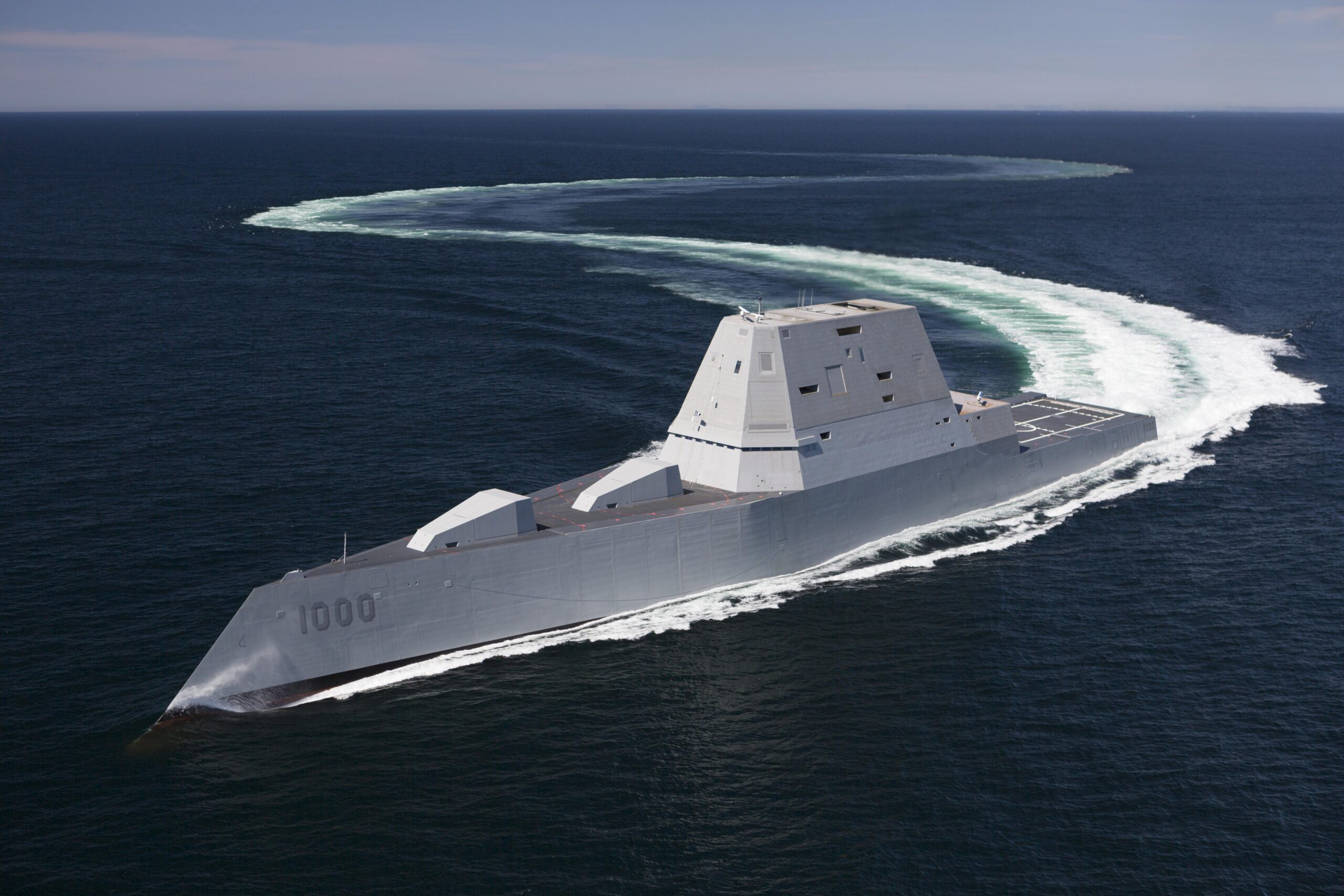
As tensions escalate in the geopolitical landscape of South America, recent movements of US warships around Venezuela have raised eyebrows among analysts and policymakers alike. This strategic military positioning not only heightens the already fraught relations between Washington and Caracas but also casts a shadow over the critical oil trade that is vital to both Venezuela’s economy and global energy markets. As the world’s attention turns to these developments, experts are left to ponder the implications of a potential military presence in a region where oil resources are both abundant and contested. What does this show of force mean for the future of Venezuelan oil exports, and how might it disrupt the broader dynamics of international energy trade? This article delves into the intricacies of the situation, exploring the ramifications for Venezuela, the US, and the global oil markets amid an evolving crisis.
Impact of US Naval Presence on Venezuela’s Oil Exports
The recent escalation of US naval presence in the Caribbean has raised significant concerns regarding the stability of Venezuela’s oil exports. Historically, Venezuela has been one of the largest oil producers in the world, but political turmoil and economic sanctions have severely hampered its output. The proximity of US warships could serve as a potent reminder of American geopolitical interests, potentially impacting Venezuela’s already fragile oil trade. Experts argue that enhanced surveillance could further deter foreign investment and complicate transactions, already stymied by sanctions, leading to an increased risk of disruptions in the supply chain.
Moreover, the presence of US naval forces may also trigger a series of unintended consequences. Venezuelan oil exports are primarily directed towards countries that may be sympathetic to its government, such as China and Russia, which have been instrumental in keeping the regime afloat amidst deteriorating conditions. The heightened military activity could prompt these nations to reconsider their relationships with Venezuela, wary of being caught in potential conflicts or sanctions. In a worst-case scenario, any military confrontation could ignite chaos in the global oil market, amplifying the existing volatility in oil prices. To contextualize this scenario, the table below highlights the potential shift in Venezuela’s major trading partners and their oil import volume in barrels per day (bpd):
| Partner Country | Oil Imports (bpd) |
|---|---|
| China | 600,000 |
| Russia | 250,000 |
| India | 100,000 |
| Cuba | 50,000 |
Geopolitical Ramifications for Global Oil Markets
The deployment of US warships near Venezuela has intensified scrutiny over the already volatile oil markets, particularly as the nation sits atop one of the largest reserves of crude oil in the world. The increased military presence raises concerns about potential military action or heightened tensions that could disrupt production and exports. With Venezuelan oil exports already hampered by sanctions and infrastructure degradation, any escalation could lead to a significant reduction in supply, causing ripple effects across the global oil trade. Countries dependent on Venezuelan oil, primarily in the Caribbean and parts of Asia, may face immediate supply shortages, altering their import strategies.
Furthermore, this geopolitical maneuvering may ignite a broader geopolitical conflict that draws in other oil-producing nations. Key factors include:
- Impact on OPEC+ Dynamics: An escalation could lead to infighting among OPEC+ members, affecting global pricing strategies.
- Alternative Suppliers: Nations reliant on Venezuela may seek to secure alternate suppliers, potentially boosting rival states in the Middle East or North Africa.
- Market Speculation: Traders may react to news of military actions with swift buying or selling, prompting fluctuations in oil prices.
As the situation unfolds, monitoring these market dynamics will be crucial for stakeholders in the energy sector, as geopolitical conflicts often provide volatile conditions that can reshape the landscape of global oil supply and demand.
Strategies for Stakeholders Amid Heightened Tensions
In the current landscape marked by escalating military presence and political maneuvering, stakeholders in the oil trade must adopt a proactive approach to navigate potential disruptions. To ensure operational resilience, companies should consider the following strategies:
- Diversify Supply Chains: Reducing dependency on Venezuelan oil and exploring alternative sources can minimize risks associated with geopolitical tensions.
- Enhance Risk Management: Implementing robust risk assessment frameworks can help stakeholders anticipate and mitigate the effects of sudden market shifts.
- Strengthen Local Partnerships: Collaborating with regional players may offer greater market insights and flexibility in response to changing scenarios.
- Invest in Technology: Utilizing advanced analytics to monitor market trends can provide a competitive edge in making informed decisions.
Moreover, a keen eye on diplomatic developments will be crucial. Stakeholders should stay informed about:
| Key Event | Date | Potential Impact |
|---|---|---|
| US Sanctions Review | Upcoming | Altered trading conditions for Venezuelan oil imports. |
| International Response | Ongoing | Possible shifts in global oil prices affecting supply. |
| Military Exercises | Future Dates | Increased volatility in the oil markets. |
By adapting these strategies and closely monitoring geopolitical developments, stakeholders can better position themselves to weather the storm of increased military activity and its implications for the oil trade.
To Conclude
As tensions escalate in the waters off Venezuela, the presence of US warships raises critical questions about the future of oil trade in the region. While the military maneuvers signal a clear message from Washington, the implications extend far beyond military posturing. With Venezuela holding some of the largest oil reserves in the world, the potential for disruption in supply chains could reverberate through global markets, affecting prices and accessibility. As analysts closely monitor the evolving situation, the stakes remain high for both the US and international stakeholders, particularly amid a backdrop of economic recovery efforts post-pandemic. The unfolding drama in the Caribbean not only underscores the geopolitical complexities surrounding energy resources but also serves as a reminder of the intricate ties between military strategy, diplomacy, and the global economy. As we continue to follow this story, its repercussions will likely shape the landscape of oil trade and international relations for years to come.