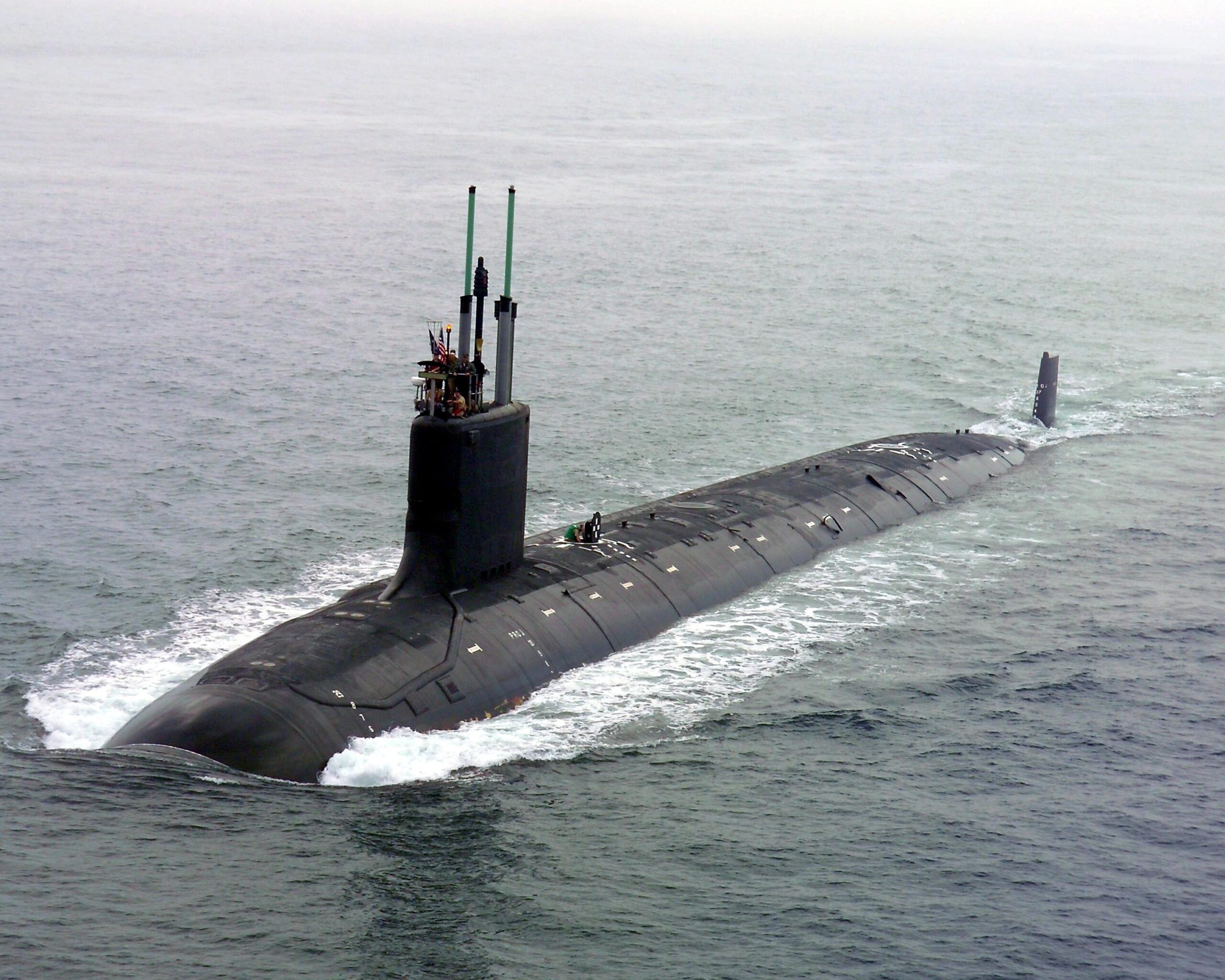
In a significant move that underscores rising tensions in the region, the United States has deployed the nuclear-powered submarine USS Newport News towards Venezuelan waters, heightening concerns among Latin American nations and drawing attention from global observers. This strategic maneuver comes amidst ongoing geopolitical frictions, with the U.S. government aiming to signal its commitment to regional stability and countering perceived threats. As the USS Newport News navigates toward Venezuela, analysts are closely watching how this display of naval power will influence diplomatic relations and security dynamics in South America. The deployment raises critical questions about U.S. foreign policy, the implications for Venezuela’s bolstered military ambitions, and the broader context of international maritime security in an increasingly volatile environment.
U.S. Strategic Moves: The Implications of Deploying USS Newport News Near Venezuela
The recent deployment of the USS Newport News, a Virginia-class nuclear submarine, near Venezuela has stirred significant interest and concern among international observers. This move is seen as a demonstration of U.S. commitment to maintaining regional stability amid increasing tensions. The implications of such a strategic positioning can be far-reaching, impacting not only U.S.-Venezuela relations but also the wider geopolitical landscape in Latin America. With Venezuela’s ongoing political turmoil and economic instability, the presence of U.S. military assets may serve as a deterrent against potential military actions by the Maduro regime or external actors supporting it.
Analysts suggest that this deployment might also be aimed at reassuring U.S. allies in the region, reflecting a broader strategy to counteract the influence of nations such as Russia and China, both of which have courted Venezuela as a strategic partner. The presence of the USS Newport News could enhance U.S. naval capabilities in the Caribbean, with potential implications including:
- Enhanced Surveillance: Improved ability to monitor maritime activities in the region.
- Support for Humanitarian Missions: Potential aid for ongoing humanitarian crises within Venezuela.
- Defense Readiness: Increased readiness to respond to threats against U.S. national security interests.
Regional Security Concerns: Analyzing the Impact on Latin American Relations
The deployment of the USS Newport News, a nuclear-powered submarine, toward Venezuela signifies a distinct shift in the U.S. approach to regional security concerns in Latin America. As tensions escalate, the submarine’s presence is a clear message to both the Venezuelan government and its allies. The move has sparked reactions across the continent, prompting nations to reassess their diplomatic and military strategies amidst fears of potential conflict. Notable impacts of this escalation include:
- Heightened Diplomatic Tensions: Countries in the region may feel pressured to take sides, complicating longstanding diplomatic relations.
- Military Preparedness: Neighboring nations are likely to increase their military readiness, concerned about the implications of U.S. military actions.
- Humanitarian Aid Dynamics: The focus on military presence may overshadow crucial humanitarian assistance efforts for Venezuelan citizens.
Furthermore, the naval movement aligns with broader geopolitical trends, particularly amidst growing alliances among socialist states and their bilateral relationships with Russia and China. This situation could lead to the following developments:
| Country | Potential Response |
|---|---|
| Colombia | Strengthening military cooperation with the U.S. |
| Brazil | Increasing trade with China for support. |
| Mexico | Calls for diplomatic dialogue to de-escalate tension. |
Navigating Tensions: Recommendations for Diplomatic Engagement Amid Rising Military Presence
As military tensions escalate in the region, fostering meaningful diplomatic channels becomes increasingly crucial. Key stakeholders should prioritize engagement through various mechanisms to alleviate potential conflicts, particularly with the significant military activities surrounding Venezuela. Recommendations for constructive dialogue include:
- Establishing Back-Channel Communications: Creating unofficial channels can help ease misunderstandings and reduce the likelihood of miscalculations during military posturing.
- Inviting Third-Party Mediators: Neutral parties can facilitate discussions, helping both the U.S. and Venezuelan governments navigate their positions while promoting regional stability.
- Promoting Multilateral Dialogue: Involving regional organizations can lend credibility to negotiations and encourage a broader commitment to peace.
In addition to these diplomatic endeavors, there is a pressing need for transparency regarding military objectives and maneuvers. Enhancing trust-building measures could pave the way for more comprehensive diplomatic relations. Consideration should be given to:
- Publishing Military Intentions: Clear communication about the purpose and scope of military deployments can mitigate fears of aggression.
- Conducting Joint Exercises: Collaborative military exercises between the U.S. and Venezuela, under international supervision, could serve as confidence-building measures while demonstrating a commitment to peace.
- Engaging Civil Societies: Involving grassroots organizations in discussions about military presence can provide valuable insights and foster peaceful resolutions from the ground up.
The Way Forward
In conclusion, the deployment of the USS Newport News, a nuclear-powered submarine, toward Venezuelan waters marks a significant development in U.S. military strategy amid rising geopolitical tensions in the region. As Washington seeks to reinforce its presence and assert its commitment to regional allies, the implications of this move will be closely monitored by both supporters and critics alike. The action not only underscores the ongoing complexities in U.S.-Venezuela relations but also raises questions about the broader impact on security and diplomatic efforts within Latin America. As the situation unfolds, it will be crucial for stakeholders to engage in dialogue to prevent any escalation that could further destabilize the region. The world will be watching closely to see how these developments influence the already intricate dynamics in Venezuela and its interactions with the United States.