
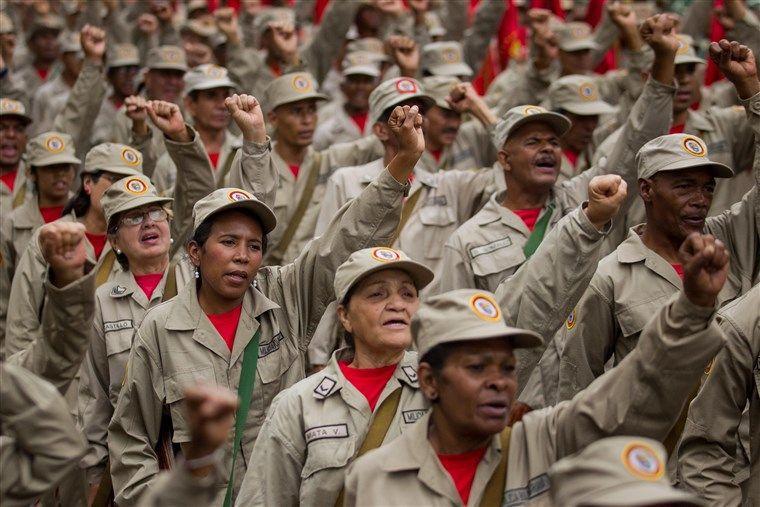
In a significant escalation of tensions in the region, Venezuela has mobilized its militia in response to recent statements from the United States regarding the deployment of military forces to waters around Latin America. The announcement, which has raised concerns of potential military confrontation, comes amid ongoing geopolitical strife and economic turmoil in Venezuela. As national leaders decry the U.S. maneuvers as a violation of sovereignty, the Venezuelan government is taking measures to fortify its defenses and assert its presence in what it views as an imminent threat. This latest development marks a critical juncture in U.S.-Latin American relations and underscores the fragile security landscape of the region.
Venezuela’s Militia Readies for Potential Escalation Amid U.S. Military Movements in Latin America
In response to the recent announcement by the United States regarding troop deployments in the waters surrounding Latin America, Venezuela’s militia has been put on heightened alert. This military readiness aims to counter any perceived threats and bolster national defense amid growing tensions. Venezuelan officials have emphasized their commitment to safeguarding sovereignty, citing the following key reasons for this mobilization:
- Increased U.S. Military Presence: The U.S. deployment signals a potential escalation that could destabilize the region.
- Internal Security Concerns: The Venezuelan government fears that external military action could encourage internal dissent or unrest.
- Regional Alliances: Venezuela aims to strengthen ties with neighboring countries that share concerns about U.S. interventions.
The militia’s preparedness involves rigorous training exercises and strategic deployments along the borders. Government leaders have described these actions as essential to maintaining stability and security. Observers note that the situation is precarious, with Venezuela positioning itself as a counterweight to American influence. The potential for direct conflict remains a pressing concern, prompting both domestic and international calls for dialogue to ease tensions. A recent statement from Venezuelan military officials outlined their objectives:
| Objective | Description |
|---|---|
| Readiness | To ensure rapid deployment of forces if necessary. |
| Defense | Protect national borders against any incursions. |
| Collaboration | Work with allied nations for a unified response. |
Strategic Implications of Venezuela’s Response: Analyzing Military Posturing in the Region
In a rapid response to the U.S. military’s announcement of enhanced naval presence in the region, Venezuela has commenced a significant mobilization of its militia, signaling a heightened state of alert and reinforcing its strategic military posture. The Venezuelan government, led by President Nicolás Maduro, interprets these developments as a direct threat to its sovereignty, prompting an escalation in its defensive measures. This mobilization not only showcases Venezuela’s commitment to national defense but also serves as a means to unite the country’s various militia groups under a central command, emphasizing solidarity in the face of external pressures. Such a move reflects a broader regional pattern wherein national militaries are reassessing their strategies in response to perceived encroachments by foreign powers.
The implications of Venezuela’s actions extend beyond its borders, potentially influencing the dynamics of military engagement in Latin America. Key factors include:
- Regional Alliances: Venezuela’s stance may encourage neighboring countries to bolster their own military readiness and consider new alliances for mutual defense.
- U.S. Response: The U.S. may face increased challenges in projecting military power in the region, as nations like Brazil and Colombia may reassess their collaborations with Washington.
- Public Sentiment: Venezuelan officials are likely to leverage this situation to bolster nationalist sentiments domestically, framing external military threats as a rallying point to consolidate power.
Recommendations for Diplomatic Engagement: Navigating Tensions between Venezuela and the United States
In light of the recent escalation of tensions between Venezuela and the United States, it is crucial for diplomatic channels to remain open and proactive. Engaging in constructive dialogue can mitigate the risks of further conflicts that could destabilize the region. Key recommendations for enhancing diplomatic engagement include:
- Facilitated Bilateral Talks: Host direct discussions between U.S. and Venezuelan diplomats, aiming for transparency and understanding.
- Involvement of Third-Party Mediators: Utilize neutral countries or organizations, such as the United Nations, to mediate discussions.
- Economic Partnerships: Explore potential economic collaborations that could create mutual benefits, easing hostilities and building trust.
- Cultural Exchange Programs: Strengthen relationships through cultural initiatives that foster goodwill and understanding among citizens.
Additionally, establishing a framework for ongoing dialogue centered around security issues is essential in addressing regional concerns. This framework might include:
| Component | Description |
|---|---|
| Security Workshops | Regular workshops to discuss safety and military concerns in the region. |
| Joint Military Observations | Agreements for joint observation exercises to build trust over military movements. |
| Community Engagement Initiatives | Programs that involve local communities to promote peace and cohesion. |
Effectively addressing these tensions requires a commitment to cooperation and understanding from both nations, framing future interactions through the lens of diplomacy rather than military posturing.
Wrapping Up
In conclusion, Venezuela’s decision to mobilize its militia underscores the escalating tensions between the nation and the United States amid reports of increased American military presence in Latin American waters. This development reflects both countries’ commitment to their respective stances, with Venezuela aiming to assert its sovereignty and the U.S. maintaining its focus on regional security. As diplomatic efforts continue, the potential for further confrontation remains a pressing concern for both regional stability and international relations. The coming days and weeks will be critical in determining how these geopolitical dynamics evolve, and global observers will closely monitor the situation as it unfolds.











