
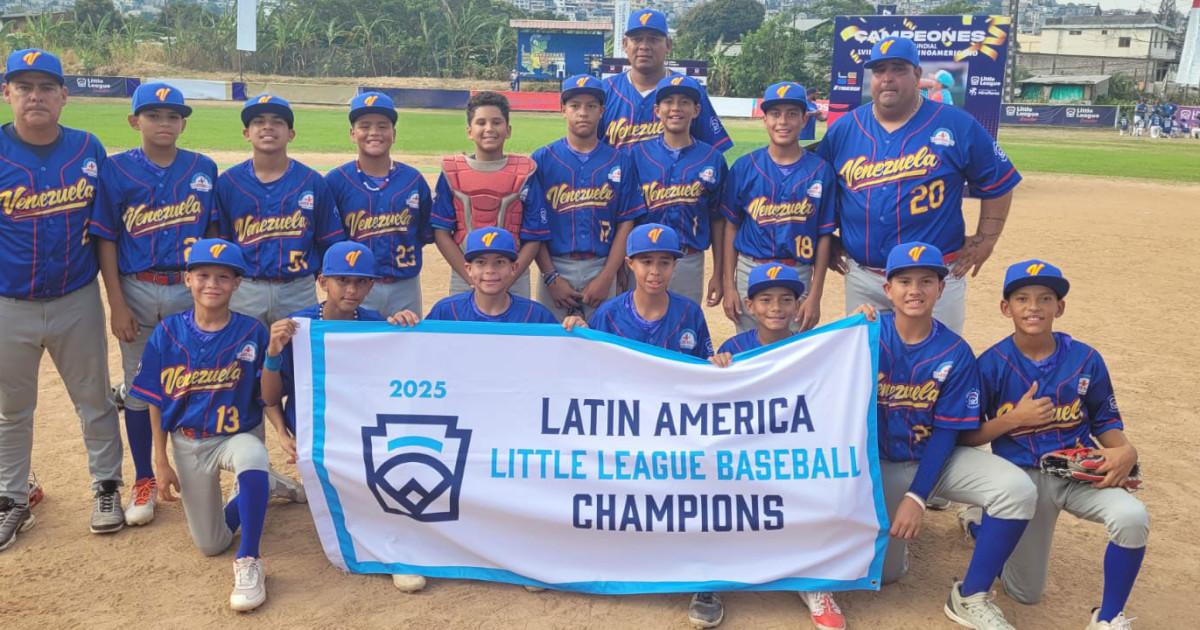
In a controversial move that has drawn widespread criticism, the U.S. government has denied visa applications for the Venezuelan Little League baseball team, preventing the young athletes from participating in an upcoming international tournament. The decision, announced just days before the team’s scheduled travel, has left players, coaches, and supporters grappling with the implications of the ruling amid escalating tensions between the two nations. As the team, comprised of talented youths representing their country on the global stage, faces this setback, questions arise regarding the impact of diplomatic relations on sports and the opportunities afforded to young athletes. This article delves into the circumstances surrounding the visa denials, the responses from the affected community, and the broader implications for sports diplomacy in an increasingly divided world.
Impact of Visa Denials on Venezuelan Youth Sports and Community Cohesion
The recent denial of visas to the Venezuelan Little League Baseball team has far-reaching implications for both the athletes and their communities. Many young players, who have dedicated years to honing their skills, now face shattered dreams and lost opportunities. The psychological impact of such a setback can be profound, fostering feelings of disappointment and isolation among youth who view sports as a pathway to personal growth and communal pride. Moreover, this episode exacerbates existing challenges in Venezuela, where the economic and social crises often hinder youth engagement in constructive activities. The denial disrupts not only individual aspirations but also the sense of belonging that youth sports have historically provided.
In addition to personal ramifications, the visa denials threaten to unravel the tightly woven fabric of community cohesion fostered by sports. Baseball, often regarded as a unifying force in Venezuelan society, transcends socioeconomic divides, connecting families and neighborhoods. The ripple effect of this denial could lead to:
- Declining Participation: Without the prospect of international competition, many children may lose interest in playing, fearing a lack of future opportunities.
- Community Disconnection: Loss of teamwork experiences can weaken relationships among participants, coaches, and families, diminishing local support networks.
- Social Imbalance: Depriving youth of a unifying cause might widen disparities in access to sports and leisure activities.
Such dynamics highlight the critical need for support mechanisms that can offset the impact of these visa denials. Local organizations and international partners must rally resources to ensure that Venezuelan youth continue to have engaging and enriching sports experiences, allowing them to dream and aspire despite the obstacles they face.
Reasons Behind the US Visa Policy and Its Ramifications for International Relations
The recent denial of visas to the Venezuelan Little League Baseball Team underscores the complex interplay of US visa policy and international relations. The US government has historically used its visa regulations as a means of signaling its diplomatic stance toward countries it deems problematic. In the case of Venezuela, sanctions and broader geopolitical tensions have contributed to a hawkish approach that not only affects diplomats and officials but also extends to cultural exchanges such as sports. This situation reflects how legislation and policy decisions ripple through various facets of relationships between nations, often limiting opportunities for engagement and understanding that could otherwise foster goodwill.
Such visa denials have profound implications that extend beyond athletics. They can lead to increased isolation of nations, hindering not only sports but also educational and humanitarian exchanges. The fallout can be substantial, resulting in strained local relationships and antagonizing populations already disillusioned with their governments. Consider the following ramifications:
- Diplomatic Strain: Incidents like these can heighten tensions between countries, complicating future negotiations.
- Cultural Alienation: Young athletes miss critical opportunities for personal and professional growth, breeding resentment.
- Public Perception: The narrative around such decisions often becomes a point of media focus, influencing public opinion on both sides.
Paths Forward: Suggestions for Improved Diplomatic Engagement and Support for Venezuelan Athletes
In the wake of the recent visa denials for the Venezuelan Little League baseball team, it is essential for U.S. policymakers to devise strategies that foster diplomatic engagement while also supporting sports as a unifying force. Initiatives could include creating athletic exchange programs that allow for cross-cultural interactions, which serve not only to enhance sports diplomacy but also to build goodwill between nations. By leveraging athletics as a platform for dialogue, various stakeholders-including the U.S. State Department and sports governing bodies-can address the underlying tensions that hinder collaboration. Additionally, involving municipal leagues in the discussion could open the doors to grassroots support, emphasizing the positive impact of sports in community-building efforts across borders.
Furthermore, establishing a fund for international athlete support could provide the necessary financial resources to help athletes facing similar obstacles. This fund could be utilized for legal assistance, training opportunities, and overall participation in international competitions. Stakeholders might consider the following avenues for improvement:
- Enhanced communication channels between U.S. and Venezuelan officials to streamline the visa application process.
- Incentive programs that encourage U.S. cities or organizations to partner with Venezuelan sports teams.
- Public awareness campaigns highlighting the importance of youth sports in fostering international understanding and cooperation.
Future Outlook
In conclusion, the U.S. government’s denial of visas to the Venezuelan Little League baseball team has sparked widespread criticism and highlighted ongoing tensions between the two nations. Advocates for the team have asserted that the decision adversely affects the young athletes’ dreams and aspirations, emphasizing the role of sports as a unifying force that transcends political divides. As the situation unfolds, the implications of this decision extend beyond the realm of sports, reflecting broader diplomatic relations and humanitarian considerations. Moving forward, the international community will be watching closely to see how both governments respond and whether opportunities for engagement and dialogue may emerge from this complex scenario.











