
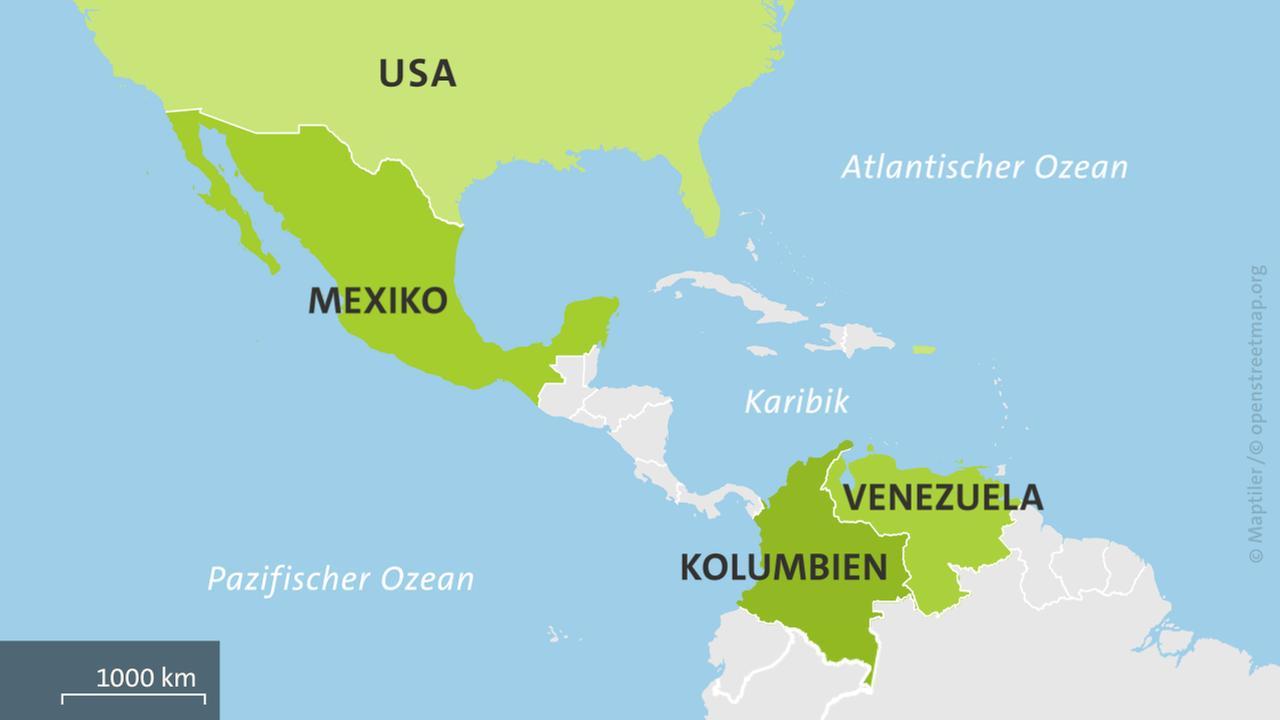
In a significant escalation of tensions between Venezuela and the United States, the Venezuelan government has announced the capture of several individuals it claims are “mercenaries” affiliated with the Central Intelligence Agency (CIA). This development comes amid ongoing accusations from President Nicolás Maduro’s administration that foreign powers are attempting to destabilize the country. The arrests, which officials describe as part of a broader crackdown on alleged conspiracy and sabotage efforts, have sparked widespread attention and raised questions about the involvement of external actors in Venezuela’s turbulent political landscape. As both nations navigate a charged diplomatic relationship, the ramifications of these claims could reverberate beyond their borders, impacting regional stability and international relations.
Venezuela’s Allegations of CIA Involvement in Mercenary Activities
The Venezuelan government has openly accused the Central Intelligence Agency (CIA) of orchestrating covert operations within its borders, particularly accusing the agency of collaborating with mercenaries to destabilize the country. In a recent announcement, Venezuelan officials claimed to have arrested a group of individuals they allege are mercenaries, asserting that these individuals were not only foreign operatives but connected directly to the CIA. Such accusations heighten ongoing tensions between the U.S. and Venezuela, as both nations have engaged in a prolonged war of words regarding accusations of interference and subversion.
Officials have provided what they describe as evidence supporting their claims, including supposed documents and testimonies from detained individuals. They argue that the intention behind these mercenary activities is aimed at facilitating regime change in Venezuela, reflecting a broader pattern of perceived U.S. interference in Latin America. As this situation unfolds, analysts are closely monitoring the potential implications for both domestic stability in Venezuela and international relations. Key points surrounding these allegations include:
- Heightened Security Measures: Venezuela has reportedly increased its military presence along the borders.
- Diplomatic Fallout: Potential retaliation from the U.S. could further complicate the already strained relations.
- Impact on Public Opinion: The government may use these claims to bolster nationalist sentiments among its citizens.
Analyzing the Impact on Diplomatic Relations and Regional Stability
The recent announcement by the Venezuelan government claiming the capture of alleged ‘mercenaries’ purportedly collaborating with the CIA has poised potential repercussions on both diplomatic relationships and regional stability. As tensions flare, nations observing this incident are likely to reassess their stances, weighing the implications on alliances and foreign policy priorities. The Venezuelan government has positioned this as a significant domestic and international narrative, aiming to reinforce its stance against perceived imperialistic threats. Such developments could lead to:
- Deterioration of U.S.-Venezuelan Relations: As accusations levelled by Venezuela prompt defensive postures from the U.S., diplomatic engagements may become increasingly strained.
- Increased Regional Tensions: Neighboring countries might find themselves drawn into Venezuela’s geopolitical narrative, potentially polarizing the region into pro- and anti-Venezuelan factions.
- Influence on Policy Decisions: Other Latin American countries may recalibrate their foreign policies in response to Venezuelan claims, affecting trade, security pacts, and humanitarian efforts.
Furthermore, the broader geopolitical landscape in Latin America may experience ripples as this incident unfolds. Countries with historical ties to Venezuela could feel compelled to take sides, inflating already sensitive relations. The emergence of this narrative could provoke a shift in alliances, driving nations to bolster military preparedness or seek support from global powers outside the Western sphere. The potential for regional destabilization is exacerbated by the following factors:
| Issue | Potential Impact |
|---|---|
| Escalating Military Tensions | Possible arms race among neighboring countries. |
| Economic Sanctions | Impact on trade relationships and economic stability. |
| International Mediation Efforts | Increased calls for dialogue and peacekeeping initiatives. |
Recommendations for International Response and Engagement Strategies
As the situation in Venezuela escalates, international communities must reassess their engagement strategies to address the complexities arising from the country’s internal conflicts. A coordinated response is essential for fostering stability and protecting human rights. Key recommendations include:
- Diplomatic Dialogue: Initiate conversations with key stakeholders to create a platform for negotiation, involving regional powers and international organizations.
- Support for Civil Society: Increase funding and resources to NGOs that advocate for human rights and provide humanitarian assistance to those affected by the unrest.
- Intelligence Sharing: Foster collaboration among international intelligence agencies to prevent misinformation and promote transparency regarding external influences in Venezuelan affairs.
- Targeted Sanctions: Implement sanctions aimed at specific individuals responsible for human rights violations, while ensuring the broader populace is not adversely affected.
In addition, it is crucial to establish a comprehensive monitoring system that assesses the effectiveness of these strategies and adapts to the evolving political landscape. An effective framework may include:
| Strategy | Objective | Key Partners |
|---|---|---|
| Diplomatic Engagement | Facilitate Negotiations | UN, OAS |
| Humanitarian Aid | Support Vulnerable Populations | International NGOs |
| Sanctions | Pressure Key Officials | US, EU |
The Conclusion
In conclusion, the Venezuelan government’s announcement regarding the alleged capture of “mercenaries” linked to the CIA adds a complex layer to the ongoing political tensions between Caracas and Washington. As both nations grapple with accusations and counterclaims, the implications of these events could reverberate across diplomatic channels and impact regional stability. The situation remains fluid, and observers will be closely monitoring how this development influences Venezuela’s domestic policies and its international relations. As the story unfolds, further clarity on the identities and intentions of those involved will be essential to understanding the broader context of U.S.-Venezuela relations. Newsweek will continue to provide updates as new information emerges.











