
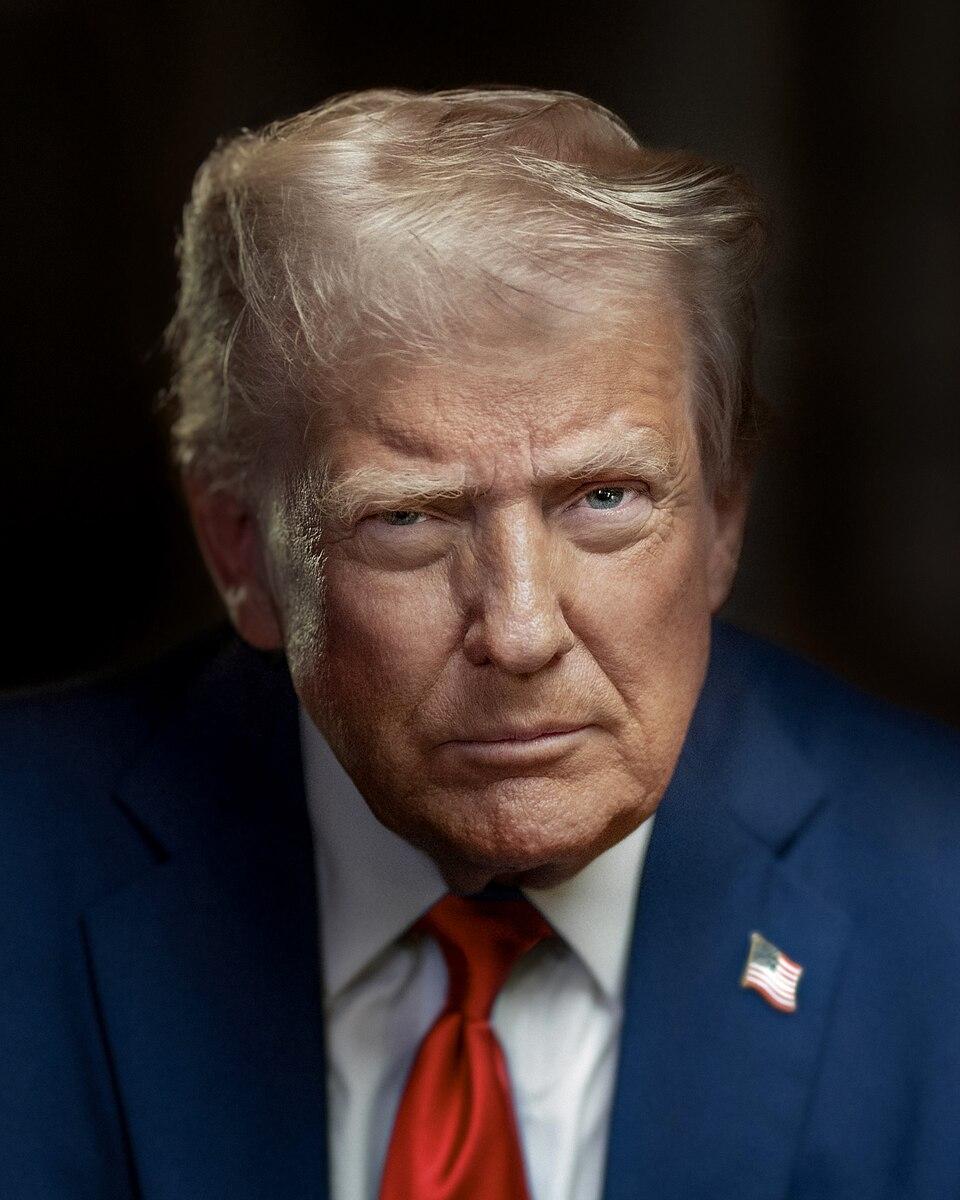
In a wave of escalating tensions between the Trump administration and corporate America, business leaders find themselves navigating a precarious landscape marked by a tightening grip from the former president. As Donald Trump intensifies his rhetoric and demands against major corporations, a noticeable silence has settled among CEOs, who are increasingly hesitant to voice their dissent. This article will explore the implications of Trump’s latest maneuvers on corporate governance, the response-or lack thereof-from the business community, and the potential impact on the broader economy. With many corporations caught in a complex web of political influence and public expectation, the question remains: how long can corporate America maintain its silence in the face of mounting pressure?
Trump’s Corporate Pressure: Analyzing the Impact on Business Leadership
In an increasingly polarized political landscape, corporate leaders find themselves walking a tightrope. The pressure exerted by Trump on corporations regarding their public stances on social and political issues has led to an observable silence among many CEOs. This reluctance to engage stems from a complex interplay of stakeholder expectations and the fear of backlash, not just from the public but also from investors and employee groups. As Trump amplifies his calls for businesses to align with his viewpoints, many executives are choosing to adopt a cautious approach, opting for diplomacy over decisive action. This environment has raised critical questions about the role of CEOs in championing corporate social responsibility in the face of external political pressures.
While some companies are willing to voice support for progressive initiatives, a significant number have remained reticent, reflecting a broader trend in corporate governance. The consequences of this silence are multifaceted:
- Brand Reputation: Companies risk alienating a segment of their customer base if they appear disconnected from societal issues.
- Investor Sentiment: Shareholders increasingly consider corporate ethics and values when making investment decisions.
- Employee Engagement: A lack of clear corporate values and leadership may lead to decreased morale and higher turnover among employees.
The Silence of CEOs: Navigating the Landscape of Political Influence
The current political climate under Trump’s administration has introduced a complex set of challenges for corporate leaders, many of whom are now grappling with the constraints of expressing their positions publicly. As the former president actively calls on businesses to align with his policies, the reluctance of CEOs to engage in political discourse highlights a significant shift in corporate America’s traditional approach. With increasing pressure to maintain shareholder value and appease diverse consumer bases, leaders are navigating a delicate balance between social responsibility and corporate profitability.
Several factors contribute to this silence, including fears of backlash from both sides of the political spectrum and the potential impact on their brands. CEOs are faced with the question of whether or not to prioritize political neutrality to avoid alienating customers or investors. Key considerations influencing this quietude include:
- Fear of Boycotts: From consumers and advocacy groups targeting businesses that take stands contrary to popular opinions.
- Investor Pressure: The weight of investor preferences leaning towards stability over controversial stances.
- Corporate Image: The desire to maintain a universal appeal in a polarized environment.
Strategic Responses for Corporate America: Recommendations for CEOs Amidst Political Scrutiny
In the face of increasing political scrutiny, corporate leaders find themselves navigating a complex landscape where stakeholder interests, public perception, and regulatory pressures intersect. To effectively respond, CEOs must adopt strategic approaches that ensure both resilience and relevance. Prioritizing transparency in communications can build trust, allowing corporations to stand firm against politicization. Additionally, incorporating diversified stakeholder engagement fosters a culture of inclusion, helping to bridge gaps between management and the communities they serve. Companies can look to establish ethical guidelines that clearly outline their positions on pivotal social issues, reinforcing their commitment to corporate social responsibility.
Moreover, embracing proactive advocacy for policies that align with their core values can position corporations as leaders in the space of public discourse. Engaging in public-private partnerships enables corporations to leverage their influence while contributing to local and national dialogues. A focused crisis management strategy, equipped with contingency plans, is indispensable in an era where digital backlash can escalate rapidly. Below is a concise comparison of strategic actions that can be impactful:
| Strategy | Benefits |
|---|---|
| Transparency | Builds trust and reduces rumors |
| Diverse Stakeholder Engagement | Enhances community relations |
| Crisis Management Planning | Prepares for rapid response |
| Proactive Advocacy | Positioning as a public leader |
| Ethical Guidelines | Clarifies corporate values |
Future Outlook
In conclusion, the current landscape of corporate America reflects a complex interplay between political pressure and the silence of corporate leaders. As former President Donald Trump intensifies his scrutiny of major corporations, many CEOs find themselves in a precarious position, opting for caution over confrontation. This reticence raises questions about the future of corporate governance and the balance of power between business leaders and political figures. As we continue to monitor this evolving dynamic, the silence from the corporate boardrooms is as loud as ever, leaving observers to ponder the implications for both the economy and the broader political climate. As conversations about accountability and responsibility in the corporate sector continue, the trajectory of these relationships will undoubtedly shape the economic landscape in the months and years to come.











