

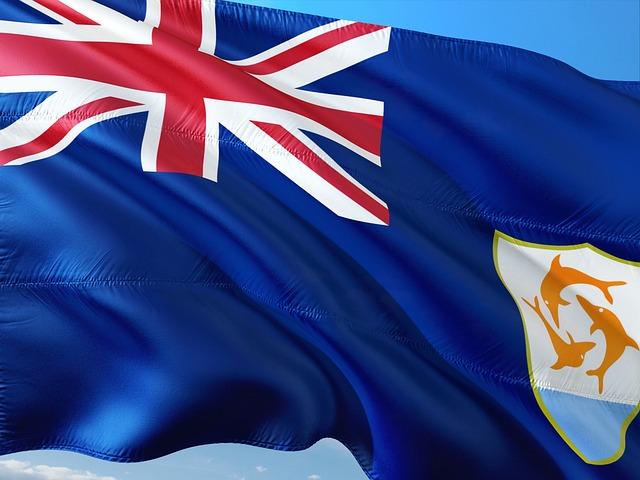
Anguilla: A British Colony’s Journey Toward Independence in the Caribbean
Anguilla, a small yet vibrant island in the Caribbean, has long captivated travelers with its stunning beaches and rich cultural heritage. However, beneath its picturesque shores lies a complex political history marked by colonial ties and aspirations for self-governance. As a British Overseas Territory, Anguilla’s path to independence has been shaped by a series of political shifts and social movements that reflect the broader dynamics of post-colonial Caribbean history. In this article, we explore Anguilla’s unique identity, the nuances of its colonial relationship with Britain, and the ongoing discussions surrounding its future autonomy, offering insight into what independence could mean for this resilient island community.
Exploring Anguilla’s Unique Identity as a British Overseas Territory
Anguilla stands out among the Caribbean islands, embracing a unique fusion of cultures that reflect its historical ties to the British crown while fostering a vibrant local identity. The island’s governance balances British oversight with the aspirations of its residents, creating a distinctive political landscape. The local government plays a pivotal role in shaping policies that resonate with its predominantly Caribbean heritage, while the connection to the UK provides avenues for economic support and international representation. This duality is evident in various aspects of life in Anguilla, from its legal system to educational structures, all crafted to honor both its colonial past and contemporary aspirations.
Visitors to the island invariably encounter a lively cultural scene where local traditions meld with British customs. Popular events like the Anguilla Carnival not only showcase the island’s rich artistic expressions but also highlight its shared history with Britain. Public celebrations often feature local music, food, and art that resonate with a sense of national pride, while also paying homage to British influences. Additionally, Anguilla’s breathtaking beaches and hospitality blend seamlessly with traditional Caribbean warmth, creating a tourist experience that is as multifaceted as its identity. The island is not merely a vacation destination; it is a living testament to the complexities of colonial legacies and the unyielding spirit of a people looking toward a self-determined future.
Navigating the Path to Independence: Prospects and Challenges for Anguilla
Anguilla stands at a crossroads, grappling with the dual aspirations of greater autonomy and the inherent challenges that such a move entails. For many islanders, the dream of independence represents not just self-determination but an opportunity to harness local resources and cultivate a unique national identity. This sentiment has been echoed in recent discussions about Anguilla’s future, highlighting several key prospects that independence could usher in:
- Economic empowerment: Independence could allow for tailored economic policies that prioritize local businesses and attract foreign investment.
- Enhanced governance: A move towards self-governance may result in more responsive political structures that reflect the will of the people.
- Cultural resurgence: Independence could ignite a renaissance of Anguillian culture, fostering pride and preserving local traditions.
However, the journey towards independence is fraught with challenges that Anguilla must carefully navigate. Issues such as limited resources, reliance on external aid, and the fear of economic instability loom large in the conversations surrounding this potential transition. These concerns lead to several significant hurdles that must be addressed:
- Economic vulnerability: The island’s economy is heavily reliant on tourism, making it susceptible to global downturns and crises.
- Political instability: The process of establishing a fully functioning government could lead to power struggles and policy conflicts.
- International relations: Developing new diplomatic ties and trade agreements may prove challenging without external backing.
| Prospects | Challenges |
|---|---|
| Economic empowerment | Economic vulnerability |
| Enhanced governance | Political instability |
| Cultural resurgence | International relations |
Recommendations for Sustainable Development in Anguilla’s Evolving Landscape
As Anguilla navigates its evolving socio-economic landscape, implementing strategies that champion a balance between development and environmental stewardship becomes imperative. To foster sustainable growth, stakeholders must prioritize ecologically responsible tourism that respects the island’s natural resources. By promoting eco-friendly accommodations and activities, Anguilla can attract environmentally-conscious travelers while safeguarding its pristine beaches and unique biodiversity. Furthermore, investment in renewable energy sources, such as solar and wind, can significantly reduce dependence on fossil fuels, ensuring a cleaner future for the island.
Community engagement and education are crucial for sustainable practices to thrive on the island. Establishing programs that highlight the importance of local agriculture and fishing can not only boost the economy but also preserve Anguilla’s cultural heritage. Collaborating with local artisans and farmers to create a platform for sustainable products will encourage residents to support homegrown initiatives. A well-structured framework for responsible land-use planning, avoiding overdevelopment while maximizing green spaces, is essential in maintaining Anguilla’s charm and ecological balance for generations to come.
In Conclusion
As Anguilla navigates its complex identity as a British Overseas Territory while asserting its aspirations for greater autonomy, the island remains a unique blend of Caribbean charm and colonial legacy. The recent discussions surrounding independence highlight the evolving sentiments among Anguillians, who are increasingly asserting their voices in the political landscape. As the island contemplates its future, it stands at a crossroads-balancing the benefits of its connection to Britain with the desire for self-determination and greater local governance. As Anguilla continues to develop its tourism-driven economy and nurture its rich cultural heritage, the world watches closely, eager to see how this small but resilient island charts its course in the 21st century. Whether it chooses to embrace independence or maintain its ties to the Crown, one thing is clear: the spirit of Anguilla is rooted deeply in its people, who remain committed to shaping their own destiny.

