

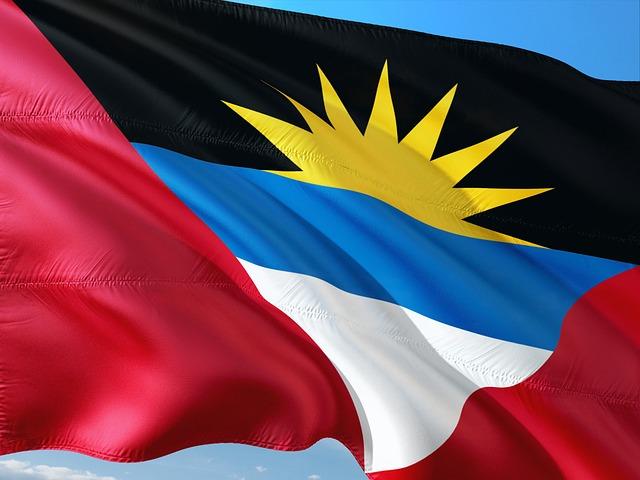
Antigua and Barbuda Calls for Closer Collaboration Between Latin America and the Caribbean
In a significant diplomatic push, Antigua and Barbuda has taken the initiative to strengthen ties between Latin America and the Caribbean, emphasizing the need for enhanced collaboration to address shared challenges and opportunities. The campaign, which aims to bolster regional cooperation in areas such as trade, climate resilience, and sustainable development, has garnered attention from various Caribbean nations and Latin American partners. As the region faces mounting issues from economic fluctuations to climate change, leaders from Antigua and Barbuda are advocating for a unified approach that could pave the way for a more integrated and prosperous future. This call for collaboration not only reflects current geopolitical dynamics but also underscores the historical and cultural connections that bind the two regions together. In this article, we explore the implications of this initiative and the potential pathways to fostering stronger alliances in the Caribbean and beyond.
Antigua and Barbuda Advocates for Strengthened Regional Partnerships to Enhance Economic Development
In a bold move to stimulate growth and development, Antigua and Barbuda has emphasized the necessity for enhanced cooperation between Latin America and the Caribbean. Leaders from the twin-island nation have called for the establishment of stronger partnerships that are essential for tackling common economic challenges and leveraging collective strengths. The administration outlined several key areas where collaborative efforts could yield significant benefits:
- Trade and Investment: Promote cross-border trade agreements and encourage foreign direct investment.
- Innovation and Technology: Foster regional initiatives focused on technology transfer and innovation hubs.
- Sustainable Development: Share best practices in environmental protection and resource management.
As regional leaders gather to discuss these proposals, Antigua and Barbuda is keen on creating a platform for dialogue that prioritizes inclusivity and joint action. A recent roundtable highlighted the importance of shared economic strategies, aiming to uplift communities by developing sectors such as tourism, agriculture, and renewable energy. According to officials, collaborative frameworks could lead to a more resilient regional economy, enabling Caribbean nations to better navigate global challenges.
| Focus Area | Potential Initiatives |
|---|---|
| Trade | New trade agreements and partnerships |
| Investment | Joint ventures in tourism and energy |
| Technology | Regional tech innovation challenges |
| Sustainability | Regional sustainability projects |
Calls for Integrated Environmental Strategies to Combat Climate Change in Latin America and the Caribbean
In the wake of increasing climate-related disruptions, Antigua and Barbuda are advocating for a unified approach among nations in Latin America and the Caribbean to address environmental challenges. Acknowledging the unique vulnerabilities of island nations and coastal communities, the call underscores the necessity for collaborative initiatives that integrate environmental, social, and economic strategies. Key components of this proposed collaboration include:
- Shared Resources: Pooling scientific research and technological advancements to enhance climate resilience.
- Policy Alignment: Developing synchronized policies that address climate adaptation and sustainability across borders.
- Funding Mechanisms: Collaborating on innovative financial models to support green projects and infrastructure.
The urgency of these integrated strategies is further supported by emerging data that shows the disproportionate impact of climate change on the region. Recent assessments indicate that while Latin America and the Caribbean contribute only a modest percentage of global emissions, they suffer significant adverse effects, including rising sea levels and extreme weather events. To tackle these challenges effectively, stakeholders propose:
| Challenge | Proposed Solution |
|---|---|
| Increased Flooding | Enhanced coastal defense projects and natural barriers |
| Water Scarcity | Investment in eco-friendly water management systems |
| Biodiversity Loss | Collaboration on conservation initiatives |
Importance of Cultural Exchange Initiatives to Foster Unity and Cooperation Between Regions
The vitality of programs encouraging the exchange of culture between regions cannot be overstated. Such initiatives serve as robust platforms for dialogue, breaking down barriers and dispelling stereotypes. By participating in cultural exchange, individuals and communities engage directly with diverse traditions, ideas, and practices. This hands-on experience cultivates a deeper understanding and appreciation of different lifestyles, reinforcing the foundation of friendship and respect that underpins diplomacy and cooperation. The potential benefits are immense, including:
- Strengthened Relationships: Enhanced mutual respect leads to collaborative projects that benefit both regions.
- Economic Growth: Cultural tourism can stimulate local economies.
- Innovation: Exposure to different perspectives fosters creativity and innovation across sectors.
Moreover, fostering unity through cultural initiatives can have a ripple effect on broader societal issues, such as poverty alleviation and education. As nations come together to share their heritage, they also share best practices in governance, sustainability, and social equity. This kind of thoughtful collaboration can manifest in various forms, including:
| Type of Initiative | Benefit |
|---|---|
| Student Exchange Programs | Enhances cross-cultural understanding. |
| Art Festivals | Promotes local artists and stimulates the economy. |
| Cultural Workshops | Teach skills and foster appreciation of diverse traditions. |
In Retrospect
In conclusion, Antigua and Barbuda’s call for enhanced collaboration between Latin America and the Caribbean underscores the growing recognition of the interconnectedness of these regions. As leaders gather to discuss shared challenges, it is clear that a unified approach could yield significant benefits in areas such as trade, climate resilience, and cultural exchange. By fostering stronger ties, Caribbean nations can leverage their unique strengths and collective resources to navigate the complexities of the global landscape. Continued dialogue and partnership will be essential as these nations work together to forge a more prosperous and sustainable future for all. As the discussions progress, the importance of this collaboration cannot be overstated, and the eyes of the world will be watching to see how these ambitions translate into actionable outcomes.

