

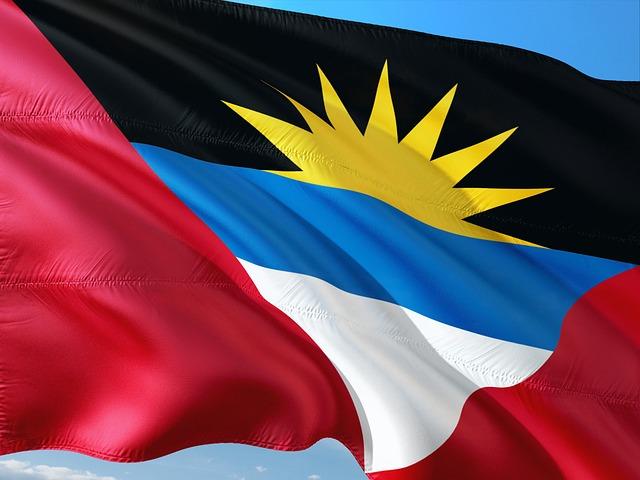
Antigua and Barbuda’s Journey to EMT Americas: A Commitment to Strengthening Health Emergency Response
In a landmark move highlighting its dedication to bolstering health emergency response, Antigua and Barbuda has embarked on an ambitious journey to join the Emergency Medical Team (EMT) Americas initiative under the auspices of the Pan American Health Organization (PAHO) and the World Health Organization (WHO). This partnership aims to enhance the nation’s preparedness and resilience in the face of health emergencies, reinforcing a collaborative framework across the region. As the Caribbean island nation positions itself on the frontline of public health, local authorities are not only working to improve immediate medical responses but are also setting a precedent for other nations in the region. The initiative marks a significant step toward promoting sustainable health systems capable of tackling the myriad challenges posed by natural disasters and public health crises.
Antigua and Barbuda’s Commitment to Health Resilience Through EMT Americas Initiative
Antigua and Barbuda is taking significant strides towards enhancing its health resilience through its participation in the EMT Americas Initiative, spearheaded by the Pan American Health Organization (PAHO). This initiative aims to establish a robust framework for Emergency Medical Teams (EMTs) across the Americas, ensuring that countries can effectively respond to health emergencies. By integrating international standards of emergency healthcare and fostering a culture of preparedness, the government is focusing on ensuring that its healthcare system is not only reactive but also proactive. Key elements of this commitment include:
- Capacity Building: Training healthcare professionals in emergency response protocols.
- Resource Allocation: Developing a strategic plan for the distribution of medical supplies and equipment.
- Collaboration: Partnering with regional and international health organizations for knowledge exchange.
As part of the EMT Americas Initiative, Antigua and Barbuda is also prioritizing the development of a comprehensive response framework that addresses both natural disasters and public health crises. This approach emphasizes the importance of local context in emergency planning and response. To facilitate this, the government is establishing a systematic monitoring and evaluation process. The following table illustrates the key components of this framework:
| Component | Description |
|---|---|
| Preparedness | Programs to enhance readiness for emergencies. |
| Response | Activation of emergency protocols and deployment of EMTs. |
| Recovery | Support for communities post-emergency through healthcare services. |
Strengthening Emergency Medical Services: Lessons Learned from PAHO/WHO Collaboration
Emergency Medical Services (EMS) in Antigua and Barbuda have greatly benefited from the collaboration with the Pan American Health Organization (PAHO) and the World Health Organization (WHO). Over the past few years, this partnership has facilitated the sharing of crucial expertise and resources, allowing the country to enhance its emergency response capabilities. Key takeaways from this collaboration include:
- Capacity Building: Training programs tailored for local EMS personnel have improved skills in trauma care, patient transport, and disaster preparedness.
- Infrastructure Development: Investments in ambulance services and emergency care facilities have resulted in a more responsive health system.
- Community Engagement: Public awareness campaigns have educated citizens on how to properly utilize emergency services, fostering a culture of safety.
Moreover, the coordination between PAHO and local health authorities has laid the groundwork for a sustainable framework for ongoing improvement. The integration of technology has further streamlined communication and data management within EMS, allowing for quicker decision-making during emergencies. A snapshot of progress includes:
| Initiative | Status | Impact |
|---|---|---|
| Training of EMS Personnel | Completed | Enhanced skill set and responsiveness |
| Ambulance Fleet Upgrade | In Progress | Increased reliability and service coverage |
| Community Awareness Programs | Ongoing | Improved public understanding of emergency services |
Recommendations for Sustaining Progress in Emergency Medical Care and Public Health in the Region
To ensure the sustainability of progress in emergency medical care and public health, it is crucial for Antigua and Barbuda to implement a multi-faceted approach. This includes enhancing training programs for first responders, increasing accessibility to healthcare resources, and fostering robust community partnerships. By focusing on these key areas, the region can build a resilient healthcare framework capable of addressing urgent medical needs effectively. Priorities should include:
- Continuous Professional Development: Regular workshops and simulations to keep emergency workers updated.
- Resource Allocation: Strategic investments in medical facilities and technology, ensuring that all communities are equipped.
- Public Awareness Campaigns: Educating the populace on emergency protocols and health services available in the region.
Additionally, establishing a collaborative network among local and international health organizations will strengthen the overall healthcare response. This partnership can lead to the exchange of knowledge, best practices, and innovative solutions tailored to the region’s unique challenges. The following table highlights the potential collaborative initiatives:
| Initiative | Objective | Expected Outcome |
|---|---|---|
| Joint Training Exercises | Enhance team coordination during emergencies | Reduced response time |
| Health Data Sharing | Improve disease surveillance | Timely outbreak response |
| Community Engagement Programs | Build trust in public health initiatives | Higher participation rates |
In Retrospect
In conclusion, Antigua and Barbuda’s journey towards becoming a pivotal player in the EMT Americas initiative reflects the nation’s commitment to enhancing its healthcare capabilities and response strategies. Through the proactive collaboration with the Pan American Health Organization (PAHO) and the World Health Organization (WHO), the twin-island nation is not only preparing to address local health emergencies but is also positioning itself as a meaningful contributor to regional health security. The ongoing efforts to strengthen emergency medical teams underscore the importance of resilience and readiness in the face of potential crises, heralding a new chapter for healthcare in Antigua and Barbuda. As the islands continue to navigate the complexities of public health, their participation in EMT Americas stands as a testament to their dedication to the wellbeing of their citizens and the broader Caribbean community.

