

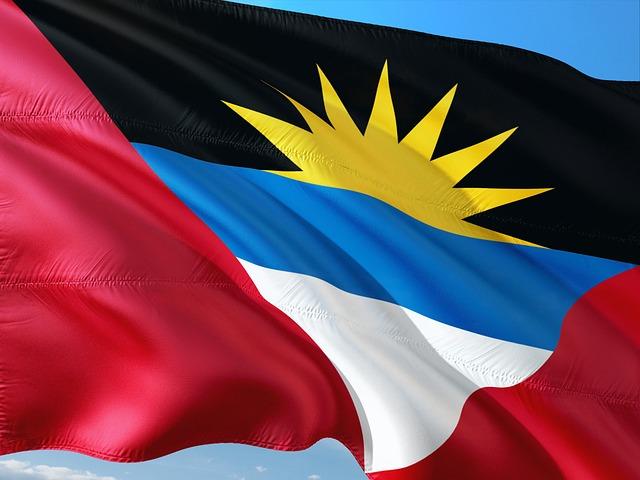
Antigua and Barbuda Strengthens Health Emergencies and Disaster Response Planning with PAHO Support
In a significant step towards bolstering public health resilience, Antigua and Barbuda has embarked on an initiative to enhance its health emergencies and disaster response planning, aided by the expertise of the Pan American Health Organization (PAHO). As the Caribbean region grapples with the dual challenges of natural disasters and health crises, the partnership aims to equip the nation with the necessary frameworks and strategies to mitigate risks and respond effectively in times of need. This collaborative effort underscores the Caribbean’s commitment to protecting public health and ensuring that communities are prepared for the unpredictable. With climate change intensifying weather-related disasters and the lingering impacts of global health emergencies, the initiative is a timely reminder of the importance of proactive planning and international cooperation in safeguarding the health and safety of island nations.
Antigua and Barbuda Strengthens Health Emergency Framework with PAHO Collaboration
In a significant stride towards improving public health preparedness, Antigua and Barbuda has entered into a robust collaboration with the Pan American Health Organization (PAHO). This partnership aims to bolster the country’s health emergency framework, ensuring a more coordinated and effective response to health crises. Key components of this initiative include:
- Enhanced training programs for healthcare professionals, focusing on crisis management and rapid response techniques.
- Development of integrated communication strategies to streamline information dissemination during health emergencies.
- Strengthening of surveillance systems to monitor and respond to disease outbreaks in real-time.
As part of the collaboration, PAHO will provide technical assistance and resources to help establish a comprehensive disaster response plan tailored to the unique needs of the nation. This includes the implementation of a structured framework designed to manage both natural disasters and significant public health threats effectively. Key elements of the plan will involve:
| Focus Area | Expected Outcome |
|---|---|
| Preparedness Drills | Increased readiness of health facilities |
| Community Engagement | Enhanced public awareness and participation |
| Resource Allocation | Optimized utilization of medical supplies |
Comprehensive Disaster Response Strategies Enhance Public Health Resilience
The recent advancements in health emergencies and disaster response planning in Antigua and Barbuda represent a pivotal move towards enhancing public health resilience. By fostering collaboration among government agencies, local organizations, and international entities, the nation aims to create a robust framework that prepares communities for possible health emergencies and natural disasters. This comprehensive approach includes the integration of advanced technologies in data collection and analysis, enabling timely interventions that can significantly mitigate the impacts of crises on public health. Key elements of this strategy encompass:
- Risk Assessment: Identifying vulnerabilities and potential hazards to tailor responses effectively.
- Community Engagement: Mobilizing local populations for training and awareness programs to ensure swift actions during emergencies.
- Coordination Mechanisms: Establishing clear communication channels among various stakeholders to optimize resource allocation.
Moreover, the emphasis on continual capacity building within the healthcare system promises not only to enhance preparedness but also to improve overall response capabilities during crises. Workshops and simulations are set to become vital components in training healthcare professionals and volunteers. Data-driven decision-making will be a cornerstone of the strategy, relying on historical trends and predictive analytics to support real-time action. A framework for evaluating response efficacy has also been introduced, which will be essential for learning from past experiences and refining future strategies. The vital components of this evaluation framework include:
| Evaluation Criteria | Description |
|---|---|
| Timeliness | Assessing response time during health emergencies. |
| Effectiveness | Measuring the outcomes of implemented strategies. |
| Community Impact | Evaluating how initiatives improve public health knowledge and capacity. |
Urgent Recommendations for Sustainable Health Systems in Crisis Management
In light of recent developments in Antigua and Barbuda’s health emergencies and disaster response planning, several key recommendations are imperative to fortify sustainable health systems during a crisis. Strengthening community engagement is vital; local populations must be informed and involved in preparedness measures that enhance resilience. Investments in health infrastructure, including upgrading facilities and ensuring consistent supply chains for critical resources, are necessary for responding effectively to health crises. Furthermore, cultivating intersectoral collaboration among national agencies and NGOs can lead to more cohesive disaster management strategies.
Additionally, comprehensive training programs for health professionals and community responders can bridge knowledge gaps and bolster the workforce during emergencies. It is also essential to focus on data-driven approaches in decision-making, ensuring that health systems can adapt swiftly to evolving situations. A robust risk communication strategy must be implemented to disseminate timely information and reduce misinformation during crises. Together, these urgent actions will create a resilient health infrastructure capable of addressing both current and future challenges faced by Antigua and Barbuda.
To Conclude
As Antigua and Barbuda continue to enhance their health emergencies and disaster response capabilities, the collaborative efforts with the Pan American Health Organization (PAHO) represent a significant step forward in safeguarding public health in the region. With increasing threats posed by natural disasters and health emergencies, the proactive measures outlined in the new planning framework aim to bolster resilience and ensure a coordinated response. By prioritizing preparedness and fostering partnerships among various stakeholders, Antigua and Barbuda are setting a precedent for effective health management strategies in the Caribbean. As these initiatives unfold, the implications for public health and community safety are poised to resonate far beyond the shores of these island nations, serving as a model for others in the region and beyond. The focus remains clear: to build a sustainable, robust health infrastructure that can withstand the challenges of an unpredictable future.

