

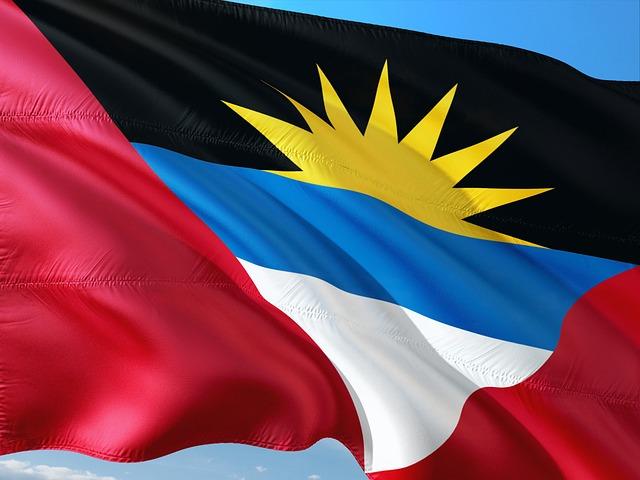
In a significant move toward redefining its political landscape, Antigua and Barbuda is poised to hold a referendum that could determine whether the country will sever its ties with the British monarchy and establish a fully independent republic. Prime Minister Gaston Browne announced the impending vote, emphasizing the need for the nation to evolve beyond its colonial legacy and assert its sovereignty. As citizens prepare to weigh in on this pivotal decision, the implications for national identity and governance loom large, setting the stage for a historic moment in the Caribbean nation’s journey towards self-determination. The proposed change comes amid growing discussions across the region regarding the relevance of monarchical ties and the push for a more modern democratic framework.
Antigua and Barbuda Prepares for Historic Referendum on Monarchical Governance
As Antigua and Barbuda approaches a pivotal moment in its political landscape, citizens are bracing for a historic referendum that could redefine their governance. Scheduled for later this year, the vote will decide whether to abolish the British monarch as the country’s head of state. Prime Minister Gaston Browne has been a vocal proponent of this movement, emphasizing the desire for a more independent national identity. His administration argues that complete sovereignty is essential for addressing local issues and nurturing a unified national ethos.
The implications of this referendum extend beyond the ceremonial aspects of monarchy. Voters are urged to consider various factors, including:
- National Identity: The significance of establishing a distinct identity separate from colonial legacy.
- Political Autonomy: The potential for greater self-determination in governance and decision-making.
- Economic Considerations: How a shift in governance may impact long-term economic strategies and international relations.
To better understand the sentiment surrounding the referendum, a recent survey indicated a split in public opinion, revealing that:
| Support for Change | Opposition to Change |
|---|---|
| 52% | 48% |
Political Implications of Changing Head of State in Caribbean Nation
The proposal to replace the British monarch with a locally elected president as the head of state marks a significant pivot in Antigua and Barbuda’s political landscape. This move could potentially reshape national identity and governance, raising questions about colonial legacies and sovereignty. Proponents argue that this change would enhance national pride and ensure that leaders are more directly accountable to the people, whereas opponents fear it may destabilize the political system and diminish ties with the Commonwealth. The outcome of the vote could set a precedent for similar movements across other Caribbean nations grappling with their colonial pasts.
In light of this impending vote, several factors must be considered in evaluating the political implications for the nation:
- Public Sentiment: The general populace’s feelings about monarchy versus republicanism could influence voter turnout and outcomes.
- Political Alliances: The stance of major political parties and leaders on the issue could either unify or further polarize the electorate.
- Regional Impact: How this decision might inspire or deter other Caribbean states contemplating similar moves towards republicanism.
| Aspect | Current Situation | Potential Change |
|---|---|---|
| Head of State | British Monarch | Locally Elected President |
| Public Control | Indirect | Direct Accountability |
| National Identity | Colonial Legacy | Increased Sovereignty |
Potential Pathways for a Republic: Recommendations from Experts on Transitioning Governance
As Antigua and Barbuda faces a pivotal moment in its constitutional history, experts suggest multiple pathways to successfully transition from a monarchy to a republic. Key recommendations include:
- Public Engagement: Initiating nationwide discussions to gauge public sentiment and ensure that citizens’ voices are integral to the transition process.
- Constitutional Reform: Forming a constitutional assembly tasked with drafting a new legal framework that reflects the values and priorities of the populace.
- Political Will: Engaging with political leaders to foster a bipartisan approach that prioritizes national unity and stability during the transition.
- Education Campaigns: Providing comprehensive information on the implications of the changes to demystify the process and empower citizens to make informed decisions.
Furthermore, a responsible transition could benefit from examining successful models from other nations. A comparative overview reveals the following essential elements:
| Country | Transition Approach | Outcome |
|---|---|---|
| India | Constitutional assembly | Established a sovereign republic with democratic governance. |
| South Africa | Inclusive negotiations | Transitioned from apartheid to a democratic framework with a new constitution. |
| Brazil | Direct public voting | Successfully shifted to a republic through a plebiscite. |
Closing Remarks
In conclusion, the upcoming referendum in Antigua and Barbuda marks a significant moment in the nation’s pursuit of constitutional independence. As citizens prepare to vote on whether to remove the British monarch as their head of state, the debate surrounding national identity, governance, and self-determination intensifies. With fervent discussions emerging across the island, the outcome of this vote could not only reshape the political landscape of Antigua and Barbuda but also signal a broader shift in the region’s relationship with the British monarchy. As the clock ticks down to the referendum, all eyes will be on the electorate, whose decision will carry weight far beyond its shores, reflecting a potent blend of history, culture, and aspirations for the future.

