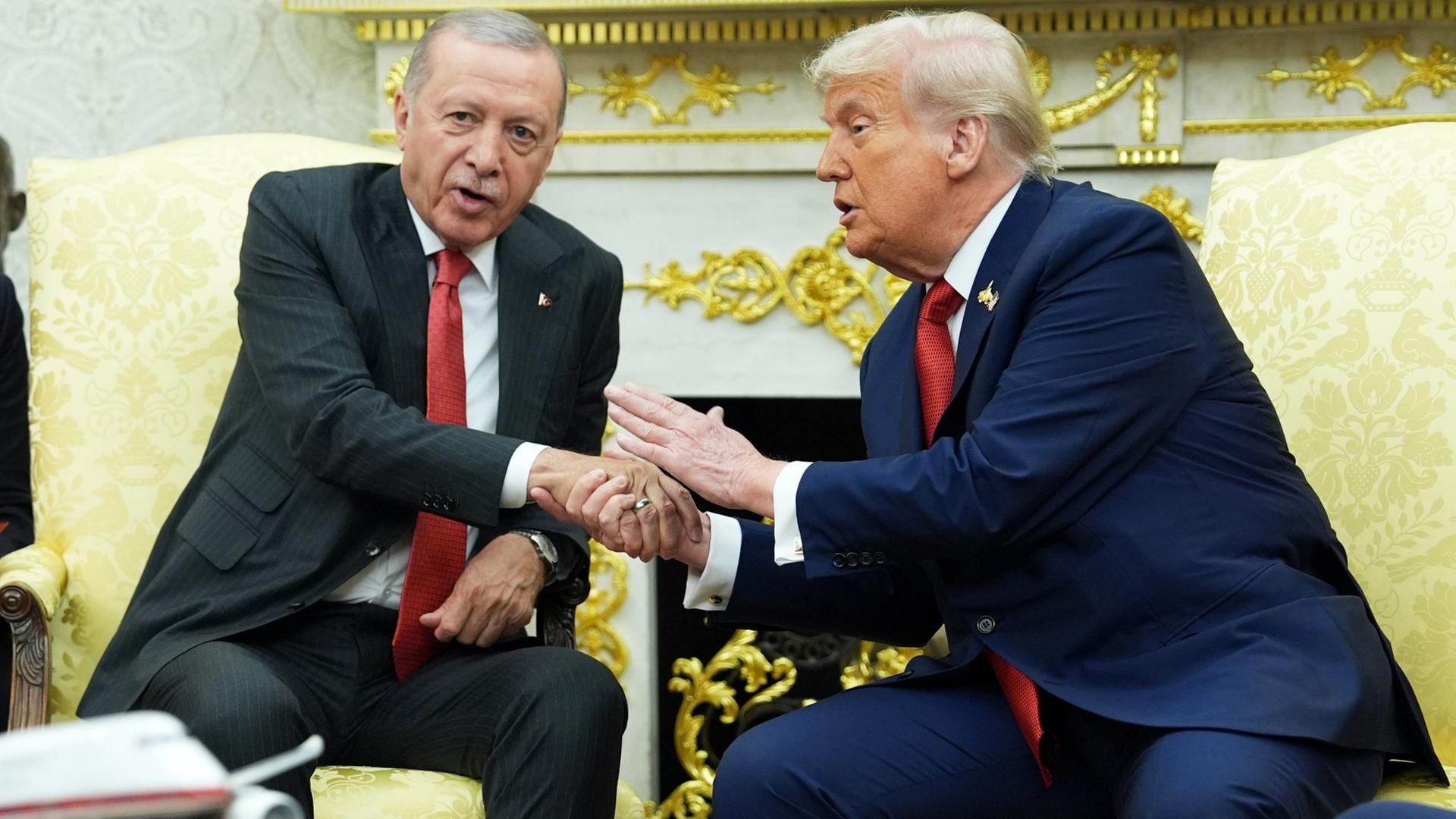
In the tumultuous landscape of global politics, the economic policies and philosophies of national leaders often serve as defining elements of their respective administrations. In recent years, the political atmospheres of the United States and Argentina have become focal points of analysis, particularly through the lens of Donald Trump’s America and Javier Milei’s Argentina. Both leaders, with their distinct populist approaches and libertarian undercurrents, have drawn parallels in their governance styles and economic ideologies, sparking debates about their impacts on national and international economic stability. This article examines the key similarities and differences between Trump’s policies aimed at reshaping America’s economic landscape and Milei’s radical proposals for revamping Argentina’s struggling economy, highlighting the broader implications for their countries and the global market. As they navigate challenges of inflation, trade, and deregulation, understanding their approaches provides critical insight into the future of economic governance in their respective nations.
Trump’s America and Milei’s Argentina: A Comparative Analysis of Populist Economic Policies
Both Donald Trump in the United States and Javier Milei in Argentina have embraced populist economic policies that seek to disrupt the status quo and resonate with disaffected voters. In Trump’s America, the focus was on America First, which encompassed aggressive tax cuts, deregulation, and a push for revitalization of manufacturing through protectionist measures. Similarly, Milei, often described as a “libertarian populist,” has advocated for radical economic reforms in Argentina, including the elimination of the central bank and dollarization of the economy. This stark contrast in approaches highlights differing national contexts, yet both leaders capitalize on a narrative of restoring national pride and economic autonomy.
Examining the economic outcomes of their respective policies reveals a complex picture. Under Trump, the U.S. experienced significant short-term economic growth and low unemployment rates, but the benefits were uneven, contributing to rising income inequality. Conversely, Milei’s proposals, while promising to combat hyperinflation and foster growth, face substantial skepticism as Argentina grapples with economic instability. The implications of these populist policies suggest a high-stakes balancing act between attracting investment and addressing the urgent needs of ordinary citizens. While his vision for economic reform has captured public attention, the actual implementation raises critical questions regarding the feasibility of his plans in a country plagued by decades of economic turmoil.
Lessons from the Trenches: Evaluating Successes and Failures in Economic Reform
The economic landscapes of the United States under President Trump and Argentina under Javier Milei offer poignant lessons on the complex interplay between policy, market response, and societal outcomes. Both leaders approached economic reform with a distinctive ideological lens, yet their experiences highlight a common thread of volatility and uncertainty. In the U.S., Trump’s tax cuts and deregulation aimed to stimulate growth, but they also ignited debates about income inequality and federal deficits. Conversely, Milei’s radical proposals to abolish the central bank and dollarize the economy were met with apprehension, reflecting deep-seated fears rooted in Argentina’s turbulent financial history. The contrasting trajectories of these reforms suggest that while bold economic strategies can invigorate stagnation, they may also provoke backlash if not coupled with coherent and consistent communication regarding long-term goals and consequences.
In evaluating the outcomes of these reforms, several key factors emerge that underscore the importance of contextual grounding and public trust in leadership. Considerations include:
- Public Perception: The success of reforms often hinges on the ability of leaders to foster trust and consensus among citizens, which can be undermined by abrupt changes.
- Market Adaptability: How quickly and efficiently markets respond to policy changes can dictate the overall success of economic strategies.
- Institutional Integrity: Strengthening institutions and regulatory bodies can mitigate potential pitfalls that accompany rapid reform.
| Country | Leader | Main Economic Reform | Outcome |
|---|---|---|---|
| USA | Donald Trump | Tax Cuts & Deregulation | Mixed; growth but rising inequality |
| Argentina | Javier Milei | Dollarization & Central Bank Abolition | Uncertain; high volatility and resistance |
Building a Path Forward: Strategic Recommendations for Sustainable Growth in Both Nations
To foster a mutually beneficial partnership between the United States and Argentina, both nations must prioritize economic and social policies that encourage collaboration, innovation, and sustainability. This can be achieved by establishing bi-national trade agreements that eliminate tariffs and promote free market access. Additionally, both governments should focus on investing in infrastructure projects that not only boost local economies but also enhance connectivity across borders. Key sectors could include renewable energy, technology, and agriculture, which are vital for sustainable growth and job creation.
In pursuing these strategic goals, both nations should consider forming a bilateral commission aimed at fostering dialogue and collaboration in various fields. This commission can help identify and address economic challenges, share best practices, and explore joint ventures. To maintain transparency and accountability, it is critical to implement a comprehensive framework that includes measurable objectives and regular assessments. This could involve:
- Joint training programs in emerging industries
- Technology sharing agreements focused on sustainability
- Support for small and medium enterprises to engage in international markets
Final Thoughts
In summary, the contrasting economic visions of Donald Trump’s America and Javier Milei’s Argentina present a fascinating case study in national identity and policy. While both leaders advocate for radical economic reform, their approaches highlight the complexities of governance amidst a backdrop of populism and political polarization. As both nations grapple with the repercussions of their respective economic decisions, the outcomes may redefine not just their futures, but also offer insights for other countries navigating similar challenges. As these two leaders continue to shape their respective economic landscapes, the eyes of the world remain keenly focused on the paths they carve. The implications of their policies will undoubtedly resonate beyond their borders, influencing global economic dialogues for years to come. As developments unfold, the foundation laid by leaders like Trump and Milei will challenge and inspire future policymaking around the world.