

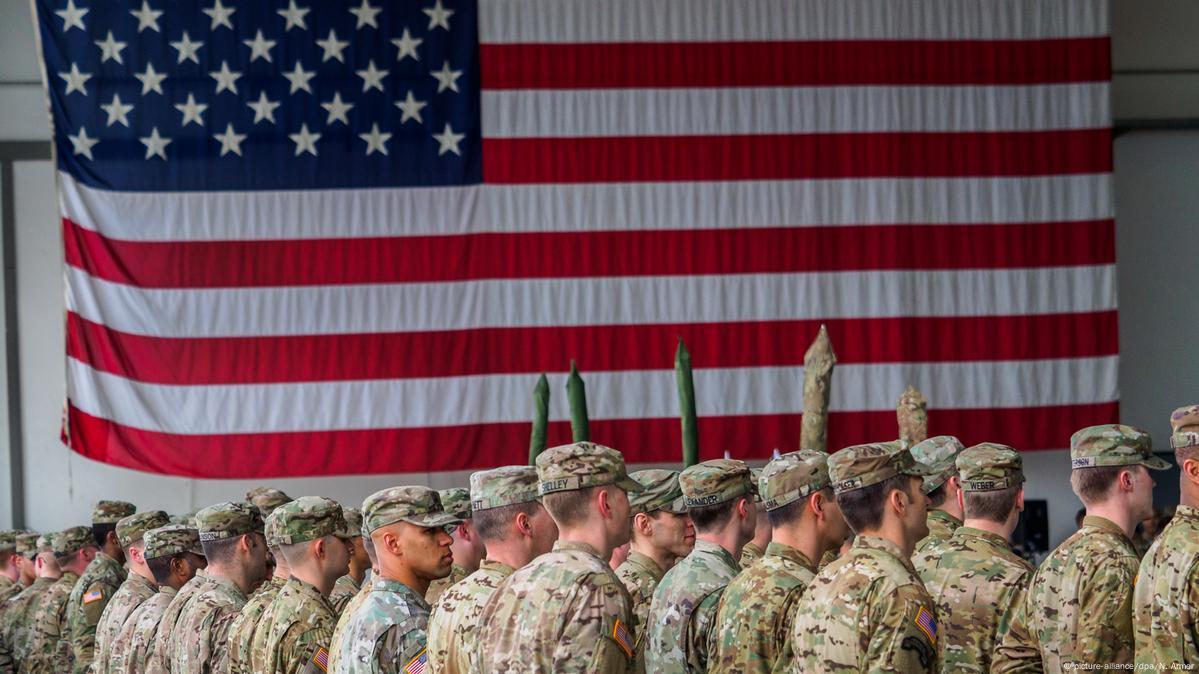
In a compelling address to the United Nations General Assembly, Venezuelan officials have condemned the presence of U.S. military forces in the Caribbean, labeling it an “illegal” act that poses a significant threat to regional stability. The remarks come amid rising tensions in the area, where Venezuela has increasingly scrutinized the strategic maneuvers of the United States, positioning them as aggressive actions that undermine both sovereignty and peace in Latin America. This development highlights the complex geopolitical landscape of the Caribbean, where issues of national security, territorial integrity, and international relations are at the forefront of diplomatic discussions. As countries grapple with these challenges, Venezuela’s bold statements underscore the need for a careful examination of foreign military operations in the region and their implications for peace and cooperation.
U.S. Military Presence in Caribbean Fuels Tensions: Venezuela’s Accusations at the UN
In a stirring address to the United Nations General Assembly, Venezuela’s representative unequivocally condemned the continued military presence of the United States in the Caribbean, labeling it as an “illegal” act that exacerbates regional tensions. Venezuela alleges that these actions threaten national sovereignty and contribute to a volatile atmosphere reminiscent of Cold War conflicts. The Venezuelan government has articulated a strong stance against what it perceives as American imperialism, asserting that the heightened military activities are not only provocations but also detrimental to peace and collaboration in the region.
As tensions escalate, the UN has become a crucial platform for Venezuela to voice its concerns. The Venezuelan delegation highlighted key incidents that underscore their grievances, including:
- Increased Military Drills: The U.S. has reportedly ramped up military exercises in the Caribbean.
- Naval Deployments: Significant naval presence close to Venezuelan waters is seen as a direct threat.
- Support for Regional Allies: Allegations that the U.S. is providing military aid to opposition forces within Venezuela.
This volatile situation invites scrutiny from international observers and raises questions about the implications for diplomatic relations not only between the U.S. and Venezuela but also among neighboring Caribbean nations that find themselves caught in the crossfire of geopolitical tensions.
Analyzing Venezuela’s Claims of Sovereignty Violations and Regional Security Risks
In a tense address to the UN General Assembly, Venezuela’s delegates voiced strong objections against the presence of U.S. military forces in the Caribbean, labeling it a blatant infringement of their national sovereignty. The Venezuelan government argues that this military deployment not only contravenes international law but also exacerbates regional tensions, raising the specter of conflict in a historically volatile area. The accusations include claims of heightened surveillance, naval blockades, and potential military maneuvers that threaten to destabilize the Caribbean’s precarious peace. As tensions spiral, the Venezuelan leadership emphasizes the need for a unified regional response to safeguard their territorial integrity against what they deem foreign aggression.
Supporters of Venezuela’s claims point to a history of foreign interventions that have had detrimental effects on Latin America. Central to this debate are the socio-political implications of perceived sovereignty violations, which include:
- Escalating Military Presence: Increased U.S. naval activities perceived as threats.
- Regional Alliance Strains: Potential rifts in cooperation among Latin American states.
- Security Dilemma: Neighboring countries may feel pressured to ramp up their own defenses.
- Humanitarian Concerns: Potential for civilian casualties and crises arising from military confrontations.
As the dialogues at the UN unfold, the implications of these military activities will likely take center stage, prompting further scrutiny of foreign policies in the region. Observers note that the sustainability of Caribbean security hinges not only on military posturing but also on diplomatic efforts aimed at fostering trust and collaboration among nations historically influenced by external powers.
Recommendations for Diplomatic Engagement and Conflict Resolution in the Caribbean
In light of escalating tensions in the Caribbean region, it is essential for diplomatic channels to be reinforced to foster stability and mutual understanding among Caribbean nations. Nations should prioritize multilateral dialogue involving all affected parties, addressing grievances while ensuring that the sovereignty and territorial integrity of states are respected. International organizations such as the Caribbean Community (CARICOM) and the Organization of American States (OAS) can facilitate these discussions, providing platforms for mediation and conflict resolution. Moreover, establishing confidence-building measures between countries could alleviate fears and misunderstandings, allowing for cooperative security efforts.
Addressing the underlying issues that contribute to conflict is equally important. Governments should consider the following strategies to promote peaceful coexistence and prevent escalation:
- Strengthening Economic Ties: Encourage trade agreements that foster interdependence and economic cooperation.
- Joint Security Initiatives: Develop collaborative strategies for maritime security and counter-narcotics operations.
- Empowering Civil Society: Support local NGOs and community groups that promote peace and dialogue among citizens.
By championing a more cooperative approach, Caribbean nations can work towards a sustainable peace that avoids the pitfalls of unilateral military actions and defuses international tensions.
In Retrospect
In conclusion, Venezuela’s assertion that the presence of U.S. military forces in the Caribbean constitutes an “illegal” threat underscores the escalating tensions in the region. As regional powers engage in a dialogue at the United Nations General Assembly, the implications of military posturing backdrop concerns over sovereignty, security, and diplomatic relations. The responses from both stakeholders are poised to shape the future of international relations in the Caribbean, highlighting the need for careful navigation through complex geopolitical waters. As the situation evolves, further developments will demand close attention from global observers and policymakers alike.


