

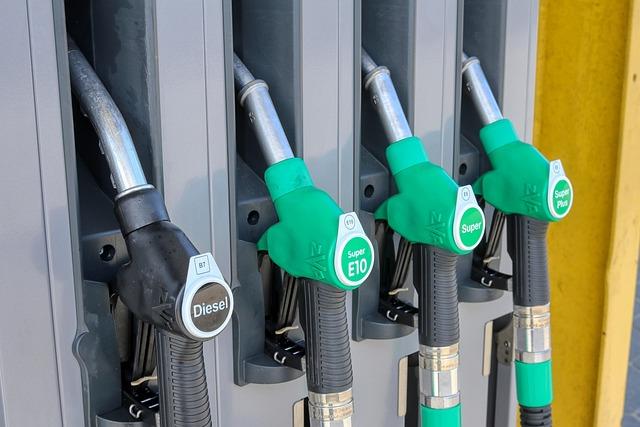
As South America grapples with soaring fuel prices amidst a global oil shock, Argentine President Javier Milei’s bold free-market approach is facing its first major trial. Since taking office, Milei has championed economic liberalization, aiming to revive a struggling economy plagued by inflation and fiscal instability. However, with crude oil prices surging and the cost of living escalating for everyday citizens, his gamble on the free market is being put to the test. This article explores the implications of rising fuel costs on Milei’s policies, the broader economic landscape of the region, and how citizens are responding to these challenging conditions.
Impact of Soaring Fuel Prices on Argentina’s Economy and Milei’s Policies
The unprecedented rise in fuel prices is creating ripples across Argentina’s economy, putting significant pressure on consumers and businesses alike. As inflation continues to soar, many households face the brunt of increased transportation and living costs. With fuel being a linchpin for various sectors, the impact is multifaceted:
- Inflationary Pressures: Higher fuel costs contribute to overall inflation, affecting the purchasing power of the average Argentine.
- Increased Transportation Costs: Logistics and transportation sectors are experiencing more strain, raising the cost of goods nationwide.
- Challenges for Small Businesses: Small enterprises, particularly in rural areas, find it increasingly difficult to maintain operational costs.
In this challenging landscape, President Javier Milei’s free-market approach is under intense scrutiny. Promoting deregulation and market-driven solutions, he aims to harness the potential of energy markets while sidestepping government interventions. Yet, critics argue that without immediate relief measures, his economic policies may exacerbate the plight of ordinary citizens. Key aspects of Milei’s policies include:
- Reducing Regulatory Barriers: Aimed at attracting foreign investment in energy.
- Encouraging Local Production: Strategies to boost domestic oil and gas production.
- Implementing Tax Reforms: Proposals to alleviate burdens on consumers and businesses.
| Impact Area | Current Status | Policy Response |
|---|---|---|
| Consumer Purchasing Power | Decreasing | Tax Relief Plans |
| Gas Prices | Soaring | Increased Local Production |
| Inflation Rate | High | Market Deregulation |
Strategies to Mitigate the Effects of Rising Oil Costs for South American Nations
As oil prices continue to soar, South American nations must adopt innovative measures to buffer their economies from the repercussions of escalating fuel costs. Diversification of energy sources can play a crucial role in this strategy. By investing in renewable energy projects such as solar, wind, and hydroelectric power, countries can reduce their dependency on oil imports. Additionally, implementing energy efficiency programs can help businesses and consumers lower their overall energy consumption, thereby easing financial strain while transitioning towards sustainable alternatives.
Furthermore, governments can enhance their public transportation systems to offer affordable and efficient travel options. Encouraging the use of public transit can lead to a decrease in individual vehicle dependence, ultimately addressing the demand for oil. Tax incentives for companies that develop telecommuting programs may also alleviate some pressure on fuel costs. Additionally, establishing partnerships with neighboring countries for shared energy resources could create a buffer against fluctuating oil prices, promoting regional economic stability.
The Role of Renewable Energy in Addressing the Current Oil Shock Crisis
The ongoing oil shock has exposed the vulnerabilities of traditional energy markets, prompting an urgent need for a paradigm shift toward renewable energy sources. As fuel prices soar and nations grapple with inflationary pressures, the transition to sustainable energy could serve as a critical buffer against such shocks. Countries across South America, already grappling with economic instability, may find that investing in wind, solar, and hydroelectric power not only reduces dependence on fluctuating fossil fuel prices but also fosters long-term energy independence and jobs in green sectors.
Furthermore, the emergence of renewable energy technology offers an opportunity for innovation and resilience in energy production. As governments evaluate the role of policy frameworks to mitigate current challenges, strategies may include:
- Subsidizing renewable energy projects to encourage investment.
- Implementing tax incentives for green technology development.
- Enhancing infrastructure for renewable energy distribution.
By undertaking these initiatives, South American nations can not only address the immediate pressures of rising oil prices but also align themselves with global sustainability goals, paving the way for a more stable economic future.
The Conclusion
In the face of escalating fuel prices, South American leaders, particularly Javier Milei of Argentina, are now confronted with the real-world implications of their free-market policies. As the region grapples with the cascading effects of the global oil shock, the pressure mounts not only on governments but also on the citizens whose daily lives are increasingly affected by the surge in costs. With inflation soaring and public discontent simmering, Milei’s gamble on deregulation and market-driven strategies is being put to the ultimate test. The unfolding situation will not only shape the economic landscape of Argentina but could also serve as a critical case study for other nations in the region navigating the complexities of energy dependency and economic reform. As we move forward, the critical question remains: can Milei’s vision withstand the pressures of a volatile global market, or will it crumble under the weight of rising discontent? Only time will tell as South America braces for what lies ahead.

