

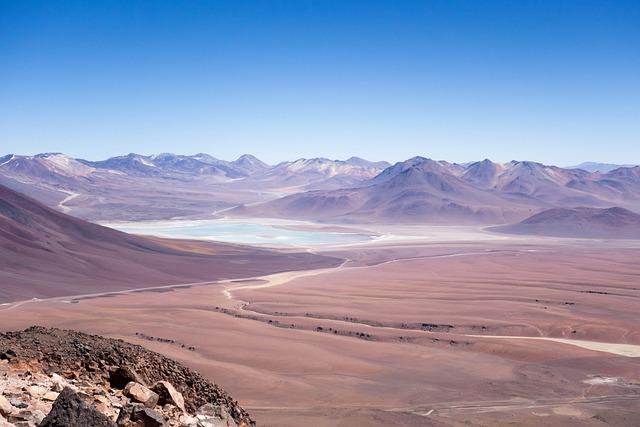
In a significant shift in its immigration policy, Bolivia has announced the easing of visa requirements for travelers from the United States and Israel, a move that aims to bolster tourism and strengthen diplomatic ties with both countries. This decision comes as Bolivia seeks to enhance its appeal as a travel destination, navigating the complexities of post-pandemic tourism dynamics. The Bolivian government’s revised visa regulations are expected to simplify the entry process for American and Israeli citizens, allowing easier access to the country’s rich cultural heritage and stunning landscapes. With this announcement, officials hope to attract more visitors, stimulate the local economy, and promote a greater understanding of Bolivia’s diverse offerings on the global stage.
Bolivia’s Strategic Move to Enhance Tourism through Visa Simplification
In a groundbreaking effort to bolster tourism, Bolivia has announced significant changes to its visa policies for travelers from the United States and Israel. This move is aimed at attracting a larger influx of international visitors eager to explore the country’s rich cultural heritage and stunning natural landscapes. By simplifying the visa application process, Bolivia seeks not only to enhance its appeal as a travel destination but also to increase the economic benefits associated with tourism, which is a vital sector for the country’s growth.
The newly implemented visa simplifications include:
- Shorter processing times for visa applications, enabling travelers to plan spontaneous trips.
- Reduced documentation requirements, making it easier for potential visitors to gather necessary paperwork.
- Increased duration of stay options, allowing travelers to immerse themselves more fully in the Bolivian experience.
Additionally, tourism officials are prioritizing marketing campaigns to promote Bolivia’s diverse attractions, which include the breathtaking Salar de Uyuni, historic cities like Sucre and Potosí, and the vibrant cultural festivals that showcase indigenous traditions. These developments signal Bolivia’s commitment to revitalizing its tourism industry and embracing a more open and inviting approach to international travel.
Impact on Travel Trends: How Eased Visa Policies Will Benefit US and Israeli Visitors
The recent decision by Bolivia to relax visa requirements for travelers from the United States and Israel is poised to significantly alter travel dynamics. This strategic move is expected to enhance tourism flows, making Bolivia a more attractive destination for adventurers seeking its rich cultural heritage and stunning landscapes. As barriers diminish, travelers are likely to experience benefits such as:
- Increased Accessibility: Easier entry requirements will shorten the time frame for planning trips, encouraging spontaneous travel decisions.
- Boosted Tourism Economy: An influx of visitors can stimulate local businesses, especially in hospitality and service sectors.
- Cultural Exchange: More international travelers lead to heightened cultural interactions, fostering greater understanding between nations.
According to early reports, airlines are already observing a rise in bookings from both countries, indicating a positive trend in travel interest. To further illustrate the potential impact, the following table summarizes projected growth in tourist demographics:
| Travelers From | Estimated Growth (%) | Top Destinations |
|---|---|---|
| United States | 30% | La Paz, Uyuni |
| Israel | 25% | Santa Cruz, Sucre |
With these developments, both US and Israeli travelers can expect not only increased travel opportunities but also a chance to immerse themselves more deeply in Bolivia’s diverse ecosystems and communities. As the country embraces this new era of travel, the ripple effects on hospitality, culture, and international relations are anticipated to be profound.
Navigating the New Norms: Essential Tips for Travelers to Bolivia with Updated Visa Rules
Travelers heading to Bolivia can now benefit from the recent easing of visa requirements, a significant change that simplifies entry for citizens of the United States and Israel. This adjustment comes as a part of Bolivia’s efforts to boost tourism and facilitate international relations. To ensure a seamless experience, it is vital for travelers to stay informed about various essential documents and requirements. Here are some crucial considerations to keep in mind:
- Valid Passport: Ensure your passport has at least six months’ validity from the date of entry.
- Travel Insurance: It’s recommended to have comprehensive travel insurance that covers health and safety issues.
- Proof of Accommodation: Have a confirmed booking or reservations for your stay in Bolivia.
- Return Ticket: Be prepared to present your return ticket or proof of onward travel.
Additionally, travelers should familiarize themselves with any local health regulations, especially in light of ongoing global health considerations. It’s advisable to check for vaccinations and health advisories before departure. Here’s a quick reference table summarizing vaccination and health recommendations for Bolivia:
| Vaccination | Recommended | Notes |
|---|---|---|
| Yellow Fever | Yes | Required for certain regions. |
| Typhoid | Optional | Consider for food and water safety. |
| Hepatitis A | Recommended | Due to potential exposure through food. |
Future Outlook
In conclusion, Bolivia’s decision to ease visa requirements for travelers from the United States and Israel marks a significant step in fostering closer ties and enhancing tourism in the Andean nation. This policy change is expected to not only encourage increased travel but also promote cultural exchange and economic benefits for both Bolivia and the visitors. As the world continues to adapt post-pandemic, such measures could pave the way for a more interconnected global community. As Bolivia opens its doors wider, travelers can look forward to exploring the rich heritage, breathtaking landscapes, and vibrant cultures that the country has to offer. The smooth transition into these new visa regulations will be closely monitored, with officials hopeful that it will lead to a surge in tourism and positive relations with these key nations.

