

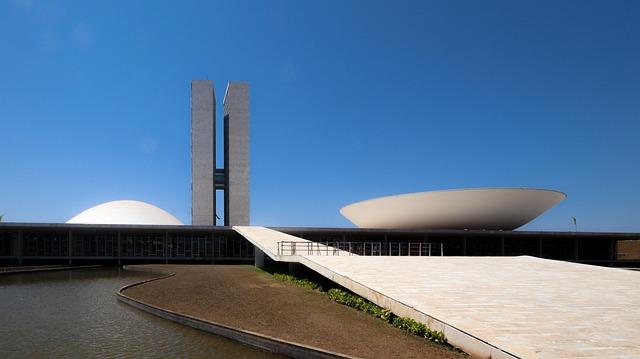
In a significant escalation of governmental response to ongoing civil unrest, the Bolivian Congress has authorized the deployment of military troops to restore order amid widespread protests. These demonstrations, which erupted over dissatisfaction with the government’s handling of critical social and economic issues, have intensified in recent weeks, prompting concerns over public safety and civil liberties. The decision, passed in a tense parliamentary session, underscores the severity of the situation and raises questions about the balance between maintaining public order and respecting democratic rights. As the government prepares for potential confrontations with demonstrators, the implications of this military mobilization are drawing scrutiny from national and international observers alike.
Bolivian Government Escalates Response to Civil Unrest with Troop Deployment
The Bolivian government has taken a significant step in addressing escalating civil unrest by mobilizing military troops in response to widespread protests that have gripped the nation. The action follows a controversial decision by Congress, which approved the deployment to restore order amid increasing tensions stemming from demands for political reform and economic stability. Lawmakers emphasized the necessity of this decision, citing the need to protect public safety and infrastructure as protest activities intensified across several major cities.
Supporters of the government’s approach argue that military presence is essential to deter further violence and maintain peace, while critics warn that this may lead to an escalation of conflict between state forces and demonstrators. As the situation unfolds, key factors influencing public sentiment include:
- Public Safety: Ensuring the protection of civilians during demonstrations.
- Political Reforms: Addressing the underlying issues fueling protests.
- International Response: Monitoring from foreign governments and organizations.
In an effort to articulate the current state of affairs, a table highlighting recent protest activities and troop deployment locations is provided below:
| City | Protest Status | Troop Deployment |
|---|---|---|
| La Paz | Ongoing | Yes |
| Santa Cruz | Severe | Yes |
| Cochabamba | Calm | No |
Analyzing the Impact of Military Presence on National Stability and Public Sentiment
The recent decision by the Bolivian Congress to approve the deployment of military forces in response to civil unrest raises critical questions about how a visible military presence can influence a country’s stability and the sentiments of its citizens. With tensions escalating amid widespread protests, the government’s reliance on military intervention suggests a significant shift in policy aimed at restoring order. Such actions can often lead to immediate suppression of dissent but may cause longer-term ramifications by fostering a climate of fear and mistrust among the populace. The public’s perception of the military can shift dramatically as they serve either as protectors or oppressors, influencing overall social cohesion and political discourse.
Furthermore, the implications of military presence extend beyond immediate conflict scenarios. Historically, societies that experience increased militarization often witness a decline in democratic engagement and public confidence in civilian governance. The armed forces may begin to take on roles traditionally held by civic institutions, altering the dynamics of law enforcement and public safety. The effects on public sentiment can manifest in various ways, including:
- Increased polarization among citizens regarding military involvement.
- Heightened feelings of insecurity or safety, depending on the military’s actions.
- Changes in protest dynamics, with some individuals potentially feeling emboldened while others may retreat from active dissent.
| Impact Areas | Positive Effects | Negative Effects |
|---|---|---|
| National Stability | Restoration of order | Increased volatility |
| Public Sentiment | Enhanced security perception | Distrust in government |
| Democratic Engagement | Potential for future dialogue | Suppression of dissent |
Strategies for Addressing Root Causes of Protests Beyond Military Action
To foster long-term stability and minimize the risk of future unrest, addressing the underlying issues that lead to protests is crucial. Policymakers can prioritize dialogue and community engagement as fundamental strategies. Initiatives could include:
- Community Forums: Establishing platforms where citizens can express grievances and contribute to decision-making.
- Economic Development Programs: Implementing targeted programs that address unemployment and poverty in protest-prone areas.
- Educational Outreach: Increasing access to education and vocational training, particularly in marginalized communities.
Moreover, transparent governance plays a significant role in maintaining public trust. Governments should ensure that policies reflect citizens’ needs and enhance accountability through:
- Regular Audits and Reports: Providing citizens with information on government spending and project progress.
- Anti-Corruption Measures: Enforcing stricter regulations and oversight to prevent misuse of funds and resources.
- Collaborative Policy Development: Engaging civil society organizations in the legislative process to ensure diverse perspectives are considered.
In Conclusion
In summary, the decision by the Bolivian Congress to authorize the deployment of military troops in response to escalating protests marks a significant moment in the country’s ongoing social and political unrest. As tensions rise and confrontations continue to escalate between demonstrators and security forces, the implications of this move will be closely monitored both domestically and internationally. Stakeholders are calling for dialogue and restraint, emphasizing the need to prioritize peaceful resolution over confrontation. As Bolivia navigates this challenging landscape, the potential impact on civil liberties and democratic processes will be pivotal for the nation’s future. The unfolding situation remains fluid, and further developments are expected in the days ahead.

