

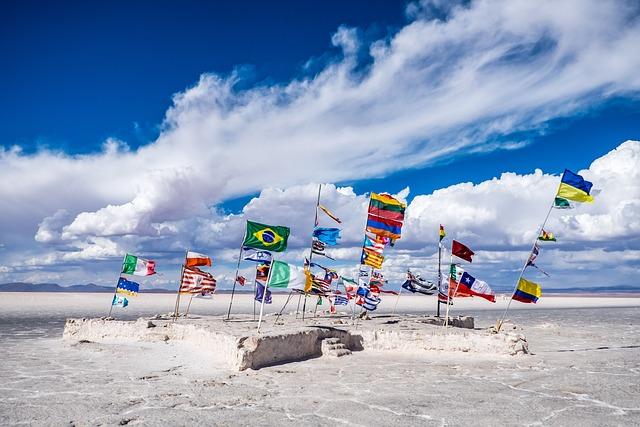
Bolivia Enters a Contentious New Political Landscape
In the heart of South America, Bolivia finds itself navigating a turbulent political landscape marked by deep-seated divisions and evolving power dynamics. With recent elections, shifting alliances, and mounting social discontent, the nation is at a crossroads that could redefine its democratic fabric and governance structures. As the government grapples with populist sentiments, indigenous rights, and economic challenges, the implications extend beyond its borders, potentially reshaping regional relationships. In this context, Bolivia’s future remains uncertain, as key players in the political arena brace for an intensified struggle for influence and legitimacy. This article explores the multifaceted challenges and opportunities that lie ahead for Bolivia, examining the roots of its current crisis and the hopeful possibilities for unity and progress amidst discord.
Bolivia’s Political Shift: Understanding the Impacts of Recent Elections
Bolivia’s recent elections have precipitated a dramatic realignment within its political landscape, stirring both excitement and trepidation among citizens and international observers alike. The rise of new political actors, coupled with a slate of contentious policies, has raised questions about the direction the nation will take in the coming years. As the dust settles, it’s clear that the confluence of social movements, traditional political factions, and indigenous groups is reshaping the dialogue on governance, economic justice, and social equality. Voter engagement has surged, reflecting a populace eager for representation and change.
Key implications of this shift include:
- Economic Policy Revisions: New leadership is likely to reassess natural resource management, possibly leading to tensions with multinational corporations.
- Indigenous Representation: Greater influence of indigenous voices in policy-making could result in policies that address long-standing grievances.
- International Relations: A pivot in foreign policy may reshape Bolivia’s relationships, particularly with neighboring countries and economic blocs.
- Civil Liberties: Questions linger about the future of democratic freedoms and the treatment of dissenting voices in this evolving political environment.
The recent elections have also cemented a divide in Bolivian society, with urban and rural areas increasingly at odds over political priorities. Localized protests and demonstrations are likely to emerge as citizens advocate for their rights amid the changing tides of governance. To monitor these shifts comprehensively, attention must be paid to the evolving relationships between various political actors, including traditional parties, emerging coalitions, and grassroots movements. Enforcement of existing laws and protocols will be crucial in determining whether Bolivia stabilizes or intensifies its political tensions.
The Role of Indigenous Movements in Shaping Bolivia’s Future Governance
The resurgence of Indigenous movements in Bolivia is not just reshaping social discourse but is also redefining the political landscape. Historically marginalized, these groups have increasingly asserted their presence and demands within national governance, positioning themselves as key players in the democratic process. Their influence is seen through various mechanisms, including:
- Advocacy for Land Rights: Indigenous organizations are fighting for land titles and conservation of ancestral territories, critical for their cultural identity and economic sustainability.
- Political Representation: By demanding more representation within state structures, Indigenous leaders aim to ensure that their voices are heard in legislative processes affecting their communities.
- Environmental Protection: With a deep-rooted understanding of local ecosystems, these movements are advocating for sustainable practices that align with Indigenous knowledge systems.
The current political climate in Bolivia presents both challenges and opportunities for these movements. Recent electoral shifts have led to increased polarization, but they also provide a platform for Indigenous leaders to engage more actively in a dialogue about governance. As the government grapples with social discontent and economic pressures, fostering relationships with Indigenous communities could be vital. Moreover, the potential for collaborative policymaking is immense, especially in areas such as:
| Focus Area | Indigenous Perspective | Government Goals |
|---|---|---|
| Land Management | Rights-based approach to conservation | Economic development through agriculture |
| Healthcare | Traditional healing practices | Improved access to services |
| Education | Bilingual and culturally relevant curricula | Higher literacy rates |
Recommendations for Navigating Bolivia’s Evolving Political Dynamics
Professionals and observers aiming to understand Bolivia’s complex political scenario should prioritize engagement with diverse local voices. It’s crucial to:
- Attend community forums: These gatherings provide essential insight into grassroots sentiments and emerging political narratives.
- Follow reliable news sources: Keeping abreast of reputable Bolivian media will help grasp shifts in public opinion and government policies.
- Collaborate with local organizations: Non-governmental organizations often have their fingers on the pulse of societal needs and political changes.
Furthermore, analyzing the key political players and their alliances can illuminate potential trajectories for the country. Consider the following table to understand current political factions:
| Political Party | Leader | Current Stance |
|---|---|---|
| Movement for Socialism (MAS) | Luis Arce | Center-left, promotes indigenous rights and social justice |
| Citizens’ Community | Carlos Mesa | Center-right, focuses on democratic governance |
| National Unity | Samuel Doria Medina | Right-wing, champions neoliberal economic policies |
As political dynamics shift, stakeholders should also remain cognizant of socio-economic challenges that could influence power balances. Issues such as:
- Economic instability: Fluctuating resources and inflation will undoubtedly affect political maneuvering.
- Indigenous movements: Greater advocacy for rights may reshape party priorities and electoral strategies.
- International relations: External influences from neighboring countries and global powers could play a crucial role in domestic politics.
Final Thoughts
As Bolivia navigates its way through this contentious new political landscape, the implications of these shifts extend well beyond its borders. With rising tensions, diverse political factions, and a populace increasingly vocal about its demands, the country stands at a crossroads. The outcome of this turbulent period will not only redefine national governance but may also serve as a pivotal case study for regional dynamics in Latin America. As stakeholders from all sides engage in a delicate balancing act, the world will be watching closely, anticipating how Bolivia will address the challenges ahead and what lessons might emerge from this evolving narrative. Whether these developments lead to renewed stability or further division remains to be seen, but one thing is clear: the future of Bolivian politics is poised for significant transformation in the months to come.

