

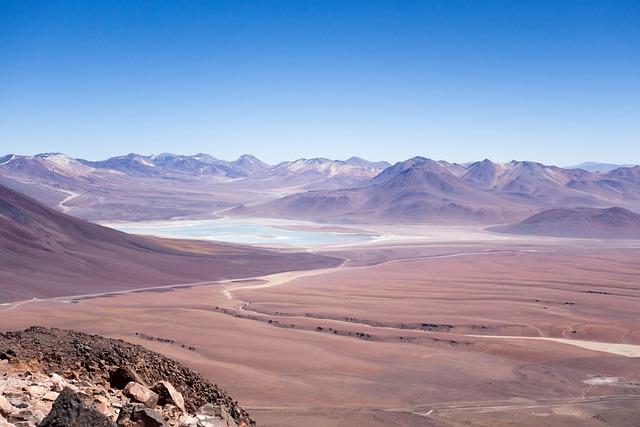
As the world grapples with the urgent transition to renewable energy, Bolivia finds itself at the epicenter of a geopolitical struggle that transcends borders and ideologies. The Andean nation is sitting atop one of the planet’s largest deposits of lithium, a critical component in rechargeable batteries powering everything from smartphones to electric vehicles. As global demand for this “white gold” surges, Bolivia is not only battling for economic supremacy but is also embroiled in a fierce contest over national sovereignty and resource control. The ramifications of this conflict extend far beyond Bolivia’s borders, shaping the future of Latin America in an increasingly multipolar world. In this article, we delve into the complexities of Bolivia’s lithium landscape, explore the contours of its sovereignty struggle, and assess the implications for both regional stability and the global energy marketplace.
The Struggle for Sovereignty: Bolivia’s Role in the Global Lithium Market
Bolivia finds itself at the center of a heated global conflict over one of the most critical minerals in the 21st century: lithium. As the world shifts towards clean energy solutions, demand for lithium-ion batteries has surged, positioning Bolivia-home to the largest lithium reserves in the world-as a potential key player in this burgeoning market. Yet, the stakes go beyond mere economic gains; they encapsulate national identity, environmental stewardship, and the battle against foreign exploitation. Local leaders and indigenous communities voice their concerns as multinational corporations vie for access to these resources, fearing that Bolivia’s wealth may simply lead to new forms of colonialism rather than equitable development.
The intricacies of this situation are reflected in the complex web of negotiations between Bolivian authorities and foreign investors. While the government aims to harness its lithium resources to fuel national development, questions arise regarding the benefits to local populations, sustainability, and environmental impact. Stakeholders must navigate a landscape characterized by promises of technological advancement and economic empowerment, set against a backdrop of historical exploitation and environmental degradation. As such, Bolivia’s approach to lithium extraction will not only influence its sovereignty but also set a precedent for how resource-rich nations in Latin America navigate their futures amidst global pressures. The outcome of this struggle might redefine the region’s geopolitical landscape in the era of green technology.
Confronting External Influences: The Geopolitical Stakes of Lithium Exploitation
The surge in global demand for lithium, essential for batteries powering everything from smartphones to electric vehicles, has placed Bolivia at the heart of geopolitical contention. As the nation sits atop the world’s largest lithium reserves, external powers are increasingly eyeing its resources, leading to intense scrutiny over Bolivia’s sovereignty. This dynamic is exacerbating internal tensions, as the government navigates between fostering international partnerships and protecting national interests. Amidst this backdrop, countries with vested interests-such as the United States, China, and European nations-are ramping up efforts to secure exclusive rights over Bolivian lithium, raising questions about the implications of foreign influence on domestic policy and economic independence.
As Bolivia grapples with this new reality, the ramifications extend beyond its borders, influencing regional stability and international relations in Latin America. The situation highlights several critical aspects:
- Sovereignty at Stake: As foreign investments flow in, so too does pressure for policy concessions that may undermine Bolivian autonomy.
- Economic Dependency: Reliance on foreign technology and expertise could lead to long-term economic vulnerabilities if not managed carefully.
- Environmental Concerns: Exploiting lithium reserves poses significant ecological risks, sparking domestic unrest and international scrutiny.
To further illustrate these dynamics, the table below summarizes key players in the lithium race, their interests, and potential impacts on Bolivia:
| Country | Interest in Lithium | Potential Impact on Bolivia |
|---|---|---|
| United States | Securing supply chains for green technology | Pressure for favorable trade agreements |
| China | Investment in lithium extraction | Increased economic influence and dependency |
| Germany | Partnerships for sustainable development | Encouragement of eco-friendly practices |
Building a Sustainable Future: Recommendations for Bolivia’s Energy Transition and Governance
To forge a path towards a more sustainable energy landscape, Bolivia must embrace a multi-faceted approach combining technological innovation, regulatory reform, and community engagement. Investment in renewable energy sources, such as solar and wind power, is essential to diversify the energy matrix and reduce dependency on fossil fuels. Additionally, fostering partnerships with local and international stakeholders can help secure the necessary funding and expertise for these technologies. The government should also prioritize the development of clear and transparent policies surrounding lithium extraction, ensuring environmental protection while promoting sustainable economic growth.
Moreover, strengthening governance frameworks is paramount to avoid the pitfalls seen in previous resource extraction efforts. Establishing inclusive decision-making processes can empower local communities, allowing them to voice their concerns and participate in the management of natural resources. Bolivia should consider implementing strategies such as:
- Creating comprehensive environmental impact assessments for mining projects
- Encouraging public-private partnerships to innovate clean extraction methods
- Incorporating indigenous knowledge and practices in policy formulation
Implementing these recommendations could not only enhance Bolivia’s energy autonomy but also serve as a model for sustainable development within the region, fostering a resilient economy that respects both people and the planet.
Future Outlook
In conclusion, Bolivia stands at a critical crossroads, where the struggle for sovereignty and the fight for control over its extensive lithium resources are shaping not just the nation’s future but also that of Latin America as a whole. The ongoing tensions and conflicts highlight the complexities of resource governance in a region rich with potential yet fraught with historical challenges. As global demand for lithium surges, particularly in the context of the green energy transition, the stakes have never been higher for Bolivians. The decisions made today will resonate beyond its borders, influencing regional dynamics and the geopolitical landscape for years to come. As we watch this unfolding narrative, it is essential to remain vigilant, as the outcomes will determine not only Bolivia’s fate but also set a precedent for how resource-rich nations navigate the delicate balance between exploitation and empowerment in an increasingly interconnected world.

