

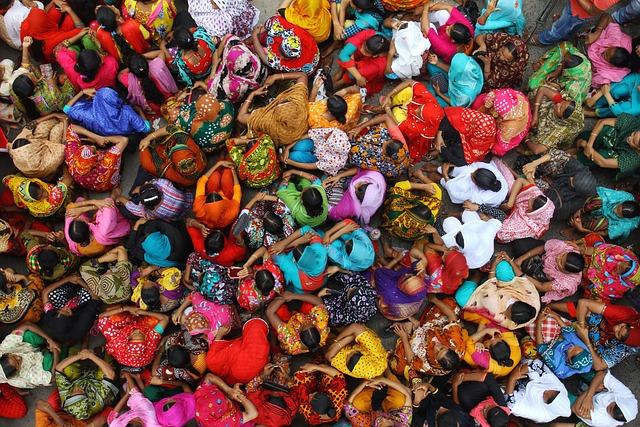
In a significant escalation of diplomatic tensions, Washington has characterized the recent wave of protests in Bolivia as an attempted “coup d’état.” This declaration underscores the gravity of events unfolding in the South American nation, where unrest has erupted in response to political controversies and allegations of government mismanagement. As demonstrations gain momentum and calls for radical change resonate among citizens, the U.S. government’s labeling of these movements raises crucial questions about the future of democracy in Bolivia and the international community’s role in addressing potential threats to stability. This article delves into the circumstances surrounding the protests, the reactions from various stakeholders, and the broader implications for Bolivian society and governance.
Washington Responds to Bolivian Unrest Characterizing Protests as Coup Attempt
In a statement that has reverberated across the international stage, Washington has branded the recent protests in Bolivia as an attempted coup d’état, marking a significant escalation in the rhetoric surrounding the civil unrest. The U.S. State Department emphasized its support for Bolivia’s democratically elected government, calling for the immediate restoration of order and respect for the rule of law. This characterization aligns with the perspective of the Bolivian government, which asserts that the protests, sparked by socio-economic grievances, have been infiltrated by elements seeking to undermine democratic institutions. The situation remains fluid, with both sides accusing each other of provoking violence amid rising tensions.
As the protests continue, key points have emerged regarding the situation in Bolivia:
- Government Response: The Bolivian government has mobilized law enforcement to control the protests and restore peace.
- International Support: Various nations have expressed their stances on the unfolding events, with Washington’s response being one of the most prominent.
- Public Sentiment: While some citizens support the protests, citing economic hardship and political dissatisfaction, others fear instability and violence.
| Event | Date | Significance |
|---|---|---|
| Initial Protests | October 2023 | Triggered by economic issues and demands for political reform |
| U.S. Statement | October 2023 | Condemnation of protests as a coup attempt |
| Government Response | Ongoing | Deployment of police forces to manage unrest |
Analyzing the Political Landscape: Causes and Consequences of Bolivia’s Turmoil
The recent protests in Bolivia have underscored a complex web of political tensions that have simmered for years. Triggered by a controversial election and a series of government decisions deemed unpopular by a significant segment of the population, the unrest escalated rapidly. Key factors contributing to this turmoil include:
- Disputed Elections: Allegations of voter fraud has undermined public trust in the electoral process.
- Economic Hardship: Chronic issues such as high unemployment and inflation have agitated the populace.
- Indigenous Rights: Ongoing struggles for recognition and rights have fueled discontent, particularly among Indigenous communities.
The implications of these events extend beyond Bolivia’s borders, stirring concern among regional leaders and international observers. As the situation unfolds, the potential for instability raises questions about the future governance of the nation. Observers have noted several consequences that could emerge, including:
| Possible Consequences | Impact |
|---|---|
| Political Polarization | Increased divisions within society, hindering dialogue. |
| International Relations | Shifts in alliances, particularly with nations like the US and neighboring countries. |
| Social Unrest | Heightened potential for ongoing protests and violence. |
Strategic Recommendations for U.S. Policy in Response to Bolivian Protests
In light of the escalating protests in Bolivia, the U.S. government must adopt a proactive approach that prioritizes stability and democratic integrity. This can be achieved through a combination of diplomatic engagement and strategic support for civil society organizations. Key recommendations include:
- Increase Diplomatic Presence: Enhance the capacity of U.S. diplomatic missions to communicate effectively with both government and opposition factions, fostering a dialogue that emphasizes the need for non-violent resolutions.
- Support for Democratic Institutions: Provide technical assistance and funding to strengthen Bolivia’s electoral and judicial institutions, aiming to reinforce public trust in democratic processes.
- Promote Human Rights: Advocate for adherence to international human rights standards in the handling of protests, ensuring that any response from the Bolivian government is measured and respectful of citizens’ rights.
- Engage Regional Partners: Collaborate with regional organizations to mediate tensions, leveraging collective influence to prevent any potential escalation that could lead to a full-blown crisis.
Moreover, it is vital for U.S. policymakers to monitor and analyze the socio-economic factors contributing to discontent within Bolivia. A focused assessment can guide targeted interventions, addressing underlying issues while minimizing the risk of further unrest. Initiatives might include:
| Initiative | Description |
|---|---|
| Economic Assistance | Expand economic programs aimed at alleviating poverty and promoting job creation, particularly in rural areas. |
| Education and Training | Invest in educational partnerships that provide vocational training and skill development for Bolivian youth. |
| Health Initiatives | Support public health campaigns that address immediate concerns and build long-term resilience in healthcare systems. |
To Conclude
In summary, the recent protests in Bolivia, which have garnered international attention, have been characterized by Washington as an attempted coup d’état. This characterization reflects the heightened tensions within the South American nation and the complex interplay of domestic and foreign political interests at play. As the situation continues to unfold, both the Bolivian government and opposition forces remain at a critical juncture, with implications not only for national stability but also for regional diplomacy. Observers will be watching closely as the global community assesses its response to the evolving crisis and the implications for democracy and governance in Bolivia. The coming days will be pivotal in determining the trajectory of these protests and the future of Bolivian politics.

