

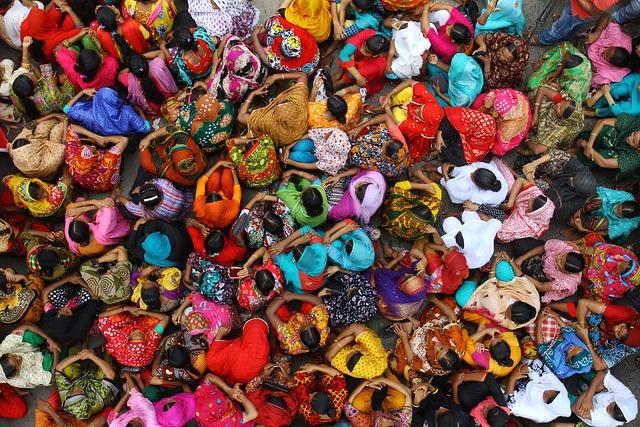
In a developing story that underscores the fragility of democratic institutions in South America, the United States has issued a stark warning regarding the recent wave of anti-government protests in Bolivia. Citing increasing unrest and civil discord, U.S. officials have characterized the situation as a “grave threat to democracy.” As tensions escalate in the Bolivian landscape, marked by widespread demonstrations against the government’s policies and alleged corruption, questions arise about the stability of the nation and the implications for regional governance. This article explores the root causes of the unrest, the U.S. response, and the broader implications for democracy in Bolivia and beyond.
US Concern Over Democracy at Risk Amidst Bolivia’s Unrest
The ongoing anti-government protests in Bolivia have escalated tensions and raised alarms over the future of democratic governance in the country. Observers believe that the unrest poses significant risks, not just for Bolivia but also for regional stability, as the U.S. government expresses increasing concern over the implications for democracy in Latin America. Activists and opposition groups have taken to the streets, demanding accountability from government leaders amid accusations of corruption and mismanagement. The protests, fueled by widespread dissatisfaction with economic conditions, highlight underlying societal fractures and the urgent need for political dialogue.
In response to the escalating situation, U.S. officials have emphasized the importance of respecting democratic institutions and the rule of law. Key points of concern include:
- Violence and Instability: Reports of clashes between protestors and law enforcement hinder efforts to restore order.
- Political Dialogue: The U.S. advocates for immediate dialogue between the government and opposition parties to find peaceful resolutions.
- Regional Impact: Unrest in Bolivia could ripple across neighboring countries, potentially prompting similar movements.
| Risk Factors | Implications |
|---|---|
| Unrest Escalation | Increased violence and civil disruptions. |
| Political Polarization | Further division between factions might lead to a stalemate. |
| International Reactions | Potential sanctions or interventions from foreign governments. |
Impact of Protests on Regional Stability and Democratic Institutions
The recent anti-government protests in Bolivia have escalated tensions within the region, generating concern among both national and international observers regarding their implications for stability and democratic processes. The U.S. government has expressed serious apprehensions, stating that the unrest poses a grave threat to democracy by undermining institutions that facilitate governance and civic engagement. As tensions flare, the protests have the potential to reshape Bolivia’s political landscape, leading to greater polarization and social discord. The uprising challenges government legitimacy and threatens to disrupt the fragile balance of power essential for democratic functioning.
Furthermore, the impact of these protests extends beyond Bolivia’s borders, raising alarms for neighboring states that may face similar unrest. The interconnectivity of political climates in Latin America means that instability can be contagious, risking the following consequences:
- Increased regional tensions: Neighboring countries may experience spillover effects, leading to a potential escalation of protests in solidarity or reactionary movements.
- Weakening of democratic institutions: Ongoing unrest could challenge governance structures and weaken respect for democratic norms, both domestically and regionally.
- Economic uncertainty: Political instability often leads to economic repercussions, including reduced investments and increased volatility in local markets.
| Consequences of Protests | Potential Outcomes |
|---|---|
| Regional Tensions | Heightened conflict or solidarity movements. |
| Democratic Institutions | Potential erosion of governance and civic trust. |
| Economic Impact | Investment pullback, market instability. |
Recommendations for International Engagement and Support in Bolivia
In light of the escalating tensions and the potential for further unrest in Bolivia, it is imperative for international stakeholders to formulate a strategic approach that prioritizes democratic stability and human rights. This includes fostering dialogue between conflicting parties, encouraging inclusive political processes, and providing platforms for civil society to express their concerns. International organizations should consider deploying observers to monitor the situation and facilitate mediation efforts that aim to calm tensions while respecting the voices of all Bolivian citizens. Moreover, promoting educational programs that focus on democratic governance and conflict resolution can play a vital role in strengthening the fabric of Bolivian society.
Additionally, financial and technical support from foreign governments and NGOs should be directed toward grassroots initiatives that empower local communities. This could involve:
- Funding for local NGOs that work towards community engagement and civic education.
- Capacity-building workshops for activists to develop skills in nonviolent protest and negotiation.
- Support for independent media to ensure diverse viewpoints are represented and that misinformation is countered.
| Type of Support | Beneficiaries | Expected Outcome |
|---|---|---|
| Financial Grants | Local NGOs | Enhanced community engagement |
| Training Resources | Activists | Increased capacity for peaceful demonstration |
| Media Sponsorship | Independent outlets | Greater diversity in public discourse |
The Way Forward
In conclusion, the U.S. government’s assessment of the ongoing anti-government protests in Bolivia underscores the delicate balance between civil rights and the stability of democratic governance. As tensions escalate, the international community watches closely, emphasizing the need for dialogue and peaceful resolution. The situation remains fluid, and the implications for Bolivian democracy, as well as regional stability, are significant. As protests continue to unfold, the actions of both protesters and the government will be critical in shaping the future of Bolivia’s political landscape. The coming days will reveal whether the country can navigate these challenges without compromising its democratic foundations.

