
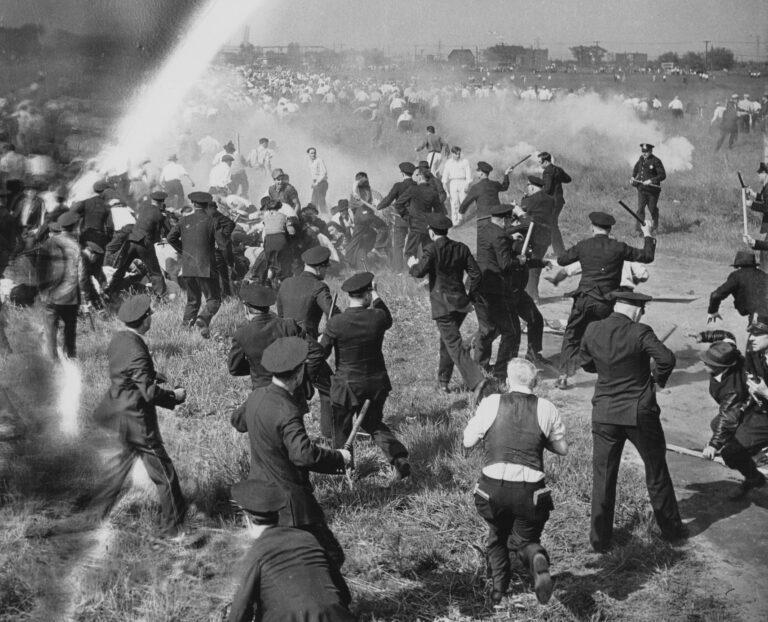
In a shocking episode that has once again put the spotlight on Brazil’s ongoing struggle with organized crime, a recent police massacre has ignited fervent debates about the effectiveness of law enforcement strategies across Latin America. The incident, which left several civilians dead, has raised critical questions about the balance between aggressive policing and the protection of human rights in a region grappling with pervasive violence and criminal networks. As authorities attempt to quell rising tensions and restore order, this tragic event serves as a stark reminder of the complexities involved in addressing the multifaceted nature of crime in Brazil and beyond. In the wake of this massacre, politicians, activists, and community leaders are calling for a reassessment of current policies and a more comprehensive approach to dismantling organized crime, while also advocating for accountability within the police force itself. This article delves into the implications of this event and examines the broader ramifications for public security in Latin America.
Revisiting Law Enforcement Strategies Amid Brazil’s Police Massacre Crisis
The horrific massacre involving police forces in Brazil has prompted a critical reassessment of the strategies employed to tackle organized crime. Amid rising violence, the government’s approach has often leaned toward militarization and aggressive tactics, which have frequently led to desperate outcomes. In light of recent events, citizens and experts alike advocate for alternative methodologies that prioritize community engagement and the strengthening of democratic institutions. A deeper understanding of social issues, including poverty, education, and unemployment, must guide these strategies to create a more sustainable and safe environment for all Brazilians.
To effectively combat organized crime, a multi-faceted approach is necessary. Policymakers and law enforcement agencies must consider the following key strategies:
- Community Policing: Building trust and cooperation between police forces and local communities to exchange information and foster collaboration.
- Intelligence-led policing: Utilizing data analytics to identify crime patterns and deploying resources strategically to preempt criminal activities.
- Social Initiatives: Investing in educational and vocational programs to provide at-risk youth with viable alternatives to gang involvement.
- Human Rights Training: Ensuring that law enforcement personnel are trained to respect citizens’ rights, which can help to reduce violence and tensions.
A coordinated effort that brings together local governments, civil society, and international organizations could serve as a crucial step forward. Understanding the need for collaborative action is essential, as the complexities of organized crime in Brazil span political, economic, and social domains. By learning from past mistakes and focusing on holistic approaches, Brazil can change the narrative surrounding law enforcement while addressing the root causes of crime.
Understanding the Roots of Organized Crime and Its Impact on Brazilian Society
Brazil’s complex relationship with organized crime has deep historical roots, stemming from socio-economic disparities, political corruption, and the legacies of colonialism. Key factors contributing to the rise of organized crime include:
- Poverty and Inequality: Widespread poverty often drives individuals towards crime as a means of survival.
- Corruption: Weak institutions and widespread corruption undermine public trust and law enforcement efficacy.
- Drug Trafficking: Brazil’s strategic location as a transit country for narcotics exacerbates criminal activities.
- Social Exclusion: Marginalized communities are often left without support, creating fertile ground for gangs to thrive.
This intricate web of factors not only fuels the growth of organized crime but also poses grave threats to societal stability and public safety. The impact is felt most acutely in urban areas, where turf wars between rival gangs often lead to widespread violence, civilian casualties, and a culture of fear. Consequences of organized crime include:
- Violence and Insecurity: Residents live in constant fear, with everyday life disrupted by gang conflicts.
- Strained Resources: Law enforcement and public services are often overwhelmed, redirecting resources away from essential community needs.
- Erosion of Trust: Communities become distrustful of law enforcement, creating a vicious cycle of crime and impunity.
- Social Fragmentation: Divisions within society deepen as communities align with or against criminal organizations.
Global Perspectives on Effective Crime Prevention: Lessons for Latin America
The recent police massacre in Brazil has underscored the urgent need for an examination of crime prevention strategies in Latin America, particularly against the backdrop of escalating violence linked to organized crime. Various countries facing similar challenges offer a range of insights that could be instructive for Brazil and its neighbors. Notably, nations such as Colombia, Mexico, and El Salvador have implemented diverse approaches involving community engagement, policing reforms, and social interventions. These strategies underscore the importance of understanding local contexts while fostering collaboration among law enforcement, governmental agencies, and civil society.
A comparative analysis reveals several key elements that have proven effective in reducing crime rates in different regions. By focusing on these critical components, Latin American countries can adopt a more holistic approach to crime prevention. Among them are:
- Community Policing: Building trust between police and communities to enhance cooperation.
- Intelligence-Led Policing: Utilizing data and intelligence to target crime hotspots effectively.
- Social Programs: Investing in education and job training to reduce poverty and deter youth from joining gangs.
- International Cooperation: Strengthening ties with regional and global partners to combat transnational crime.
To Wrap It Up
The recent police massacre in Brazil has once again thrust the complex issue of organized crime into the spotlight, igniting heated debates across Latin America. As communities grapple with the aftermath of violence and loss, the urgent question remains: how can governments effectively combat entrenched criminal networks while respecting human rights and ensuring public safety? This tragedy not only underscores the need for a reevaluation of law enforcement strategies but also highlights the importance of addressing the socioeconomic issues that fuel crime in the region. As policymakers and citizens alike seek solutions, the path forward must prioritize justice, accountability, and the restoration of trust between communities and the police. The ongoing dialogue surrounding this crisis is vital for shaping a safer and more equitable future for all Latin Americans.









