

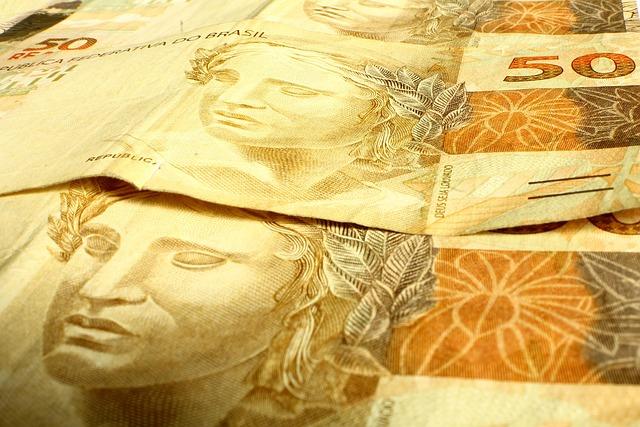
As Brazil grapples with a slowing economy marked by rising inflation and dwindling consumer confidence, the political landscape is shifting beneath the feet of President Luiz Inácio Lula da Silva. Once heralded for his ambitious social policies and promises of economic revitalization, Lula now faces a growing challenge as economic headwinds threaten not only his administration’s stability but also his political future. With upcoming electoral contests on the horizon, questions are mounting: Can Lula navigate these turbulent economic waters, or will the faltering economy undermine his efforts and diminish his popularity among a populace increasingly concerned about their financial well-being? In this article, we explore the intricate relationship between Brazil’s economic downturn and Lula’s political fortunes, analyzing the potential repercussions for both the president and the broader Brazilian landscape.
Assessing the Impact of Economic Deceleration on Lula’s Political Future
The economic slowdown in Brazil has raised serious questions about the sustainability of President Lula’s administration. As economic indicators reveal a contraction in growth, Lula’s administration faces mounting scrutiny from both the public and political opposition. Key factors contributing to this economic deceleration include:
- High inflation rates: Persistently elevated prices have strained household budgets and diminished consumer confidence.
- Rising interest rates: To combat inflation, the Central Bank has increased rates, leading to more expensive loans and reduced investment.
- External economic pressures: Global economic uncertainties, particularly in trade and investment flows, have compounded domestic challenges.
The intersection of these economic challenges and Lula’s political agenda raises significant implications for his future. The potential for discontent among the electorate looms large, as frustration over economic hardships could translate into decreased support. Analysts suggest that Lula’s capacity to address these issues effectively will be critical. Important considerations include:
- Strategic economic reforms: Focusing on policies that stimulate growth and stability may help regain public trust.
- Engagement with civil society: Listening to citizens’ concerns and fostering a dialogue can mitigate backlash.
- Maintaining coalition support: Ensuring strong alliances within Congress can facilitate the passage of necessary reforms.
Key Economic Indicators: What the Slowdown Means for Brazil’s Growth Prospects
Brazil’s recent economic slowdown poses significant challenges for the government’s growth strategy and political stability. Key indicators, including inflation rates and unemployment figures, signal a shift in the country’s economic landscape. Economic growth has decelerated from 5% last year to an estimated 2% this year, raising concerns among investors and policymakers. Inflation remains a pressing issue, hovering around 6%, while the unemployment rate stands at 10.5%, affecting consumer confidence and spending. The government’s ability to stimulate growth without exacerbating inflation will be crucial for maintaining public support as President Lula seeks to implement his ambitious socio-economic programs.
The implications of these economic indicators extend beyond mere numbers; they threaten to impact Lula’s political capital significantly. The potential for reduced public investments in key sectors raises fears of stagnation in job creation and essential services, challenging the administration’s promises. Furthermore, shifts in foreign direct investment (FDI) reflect growing skepticism among international markets. A comparative analysis of recent fiscal policies underscores this sentiment:
| Indicator | Current Rate | Previous Year |
|---|---|---|
| GDP Growth | 2% | 5% |
| Inflation | 6% | 4.5% |
| Unemployment | 10.5% | 11% |
| Foreign Direct Investment | $50 billion | $70 billion |
The confluence of high inflation and sluggish growth presents a precarious scenario that Lula must navigate to maintain his administration’s agenda and foster public trust. Without effective measures to reinvigorate the economy, the possibility of a stalled political support base looms large, potentially jeopardizing both Lula’s initiatives and Brazil’s longer-term developmental objectives.
Strategies for Resilience: How Lula Can Navigate Economic Challenges Ahead
In the face of a slowing economy, President Lula must adopt a multifaceted approach to ensure resilience and maintain public support. This includes prioritizing investments in key sectors that can spur growth, such as infrastructure, technology, and renewable energy. Strengthening partnerships with both domestic and international stakeholders will be crucial in fostering an environment conducive to innovation and job creation. Furthermore, Lula should focus on enhancing public services to improve the quality of life for Brazilians, thereby reinforcing trust in his administration.
To effectively manage economic challenges, Lula’s government needs to implement proactive measures, which may consist of:
- Streamlining regulatory frameworks to attract foreign investment.
- Encouraging small and medium-sized enterprises through tax incentives and grants.
- Enhancing social programs to cushion the impact of economic downturns on the most vulnerable populations.
Furthermore, establishing a transparent communication strategy will be vital in addressing public concerns and rallying support for necessary reforms. By fostering a sense of collective responsibility and shared vision for the future, Lula can empower citizens to navigate the uncertain waters of the global economy together.
The Way Forward
As Brazil grapples with a decelerating economy, the political stakes are rising for President Luiz Inácio Lula da Silva. The enduring impacts of sluggish growth, exacerbated by external pressures and internal challenges, will be critical as the nation approaches key electoral milestones. Analysts contend that economic performance will not only influence public sentiment but also shape Lula’s broader agenda and potential legacy. As policymakers seek solutions amidst a backdrop of rising inflation and social discontent, the path forward remains uncertain. In this complex landscape, the interplay between economic conditions and electoral viability may ultimately define the trajectory of Brazil’s democracy in the coming years. For Lula, a rejuvenated economic strategy could be the key to revitalizing his administration and securing the support of a populace weary of sluggish progress.

