

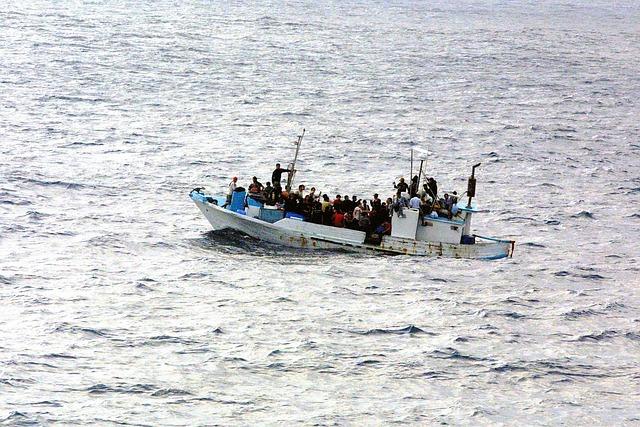
As the United States tightens its immigration policies and effectively closes its doors to many seeking refuge, a significant shift is taking place among Cuban asylum seekers. In a desperate bid for safety and a better future, an increasing number of Cubans are now turning their attention to Brazil as an alternative destination. This trend highlights the complex landscape of migration within the Americas, as individuals navigate the challenges of political repression, economic hardship, and the search for a new life. In this article, we explore the motivations behind this shift, the experiences of those making the journey, and the implications for both Cuba and Brazil in the context of regional migration dynamics.
Cubans Seeking New Horizons in Brazil Amid U.S. Immigration Restrictions
The increasing restrictions on immigration into the United States have prompted many Cubans to seek refuge in Brazil, a nation that offers them a new chance at life and stability. With the U.S. border tightening, these individuals are turning to Brazil as an alternative destination, attracted by its humanitarian policies and a growing economy. Many Cubans view Brazil as a land of opportunity, where they can escape political repression and economic hardships. They find hope in the promise of a more open society and the possibility to build a better future.
As Cubans begin their journey to Brazil, their challenges remain significant. Some key factors influencing their decision include:
- Asylum Policies: Brazil’s more accessible asylum process compared to the U.S.
- Cultural Connections: A shared Latin heritage and language ease integration for many Cuban migrants.
- Economic Opportunities: The potential for jobs in various sectors, particularly in agriculture and tourism.
Despite the enticing prospects, the journey is fraught with difficulties. Many migrants face harsh conditions during their travel and grapple with the complexities of establishing permanent residency. Efforts from local organizations and community groups are crucial in supporting their transition, ensuring that these newcomers can navigate their new homeland and contribute to the developing narrative of Cuba’s diaspora.
Challenges Faced by Asylum Seekers During the Journey to Brazil
The treacherous journey to Brazil poses significant challenges for asylum seekers, particularly for Cubans fleeing economic and political hardships. Many embark on perilous routes, often traversing through dangerous regions where they face the threat of violence, exploitation, and natural obstacles. Critical issues include:
- Limited Resources: Asylum seekers frequently begin their journey with little more than the clothes on their backs, making access to food, clean water, and safe shelter a constant struggle.
- Legal Barriers: Navigating immigration policies can be daunting, particularly for those unfamiliar with the legal systems in transit countries. Many encounter complicated bureaucratic processes that hinder their progress.
- Health Risks: A prolonged journey increases vulnerability to illness, with minimal access to medical care compounded by exposure to harsh conditions.
Additionally, many face social and political obstacles along the way. As they pass through multiple countries, misunderstandings and discrimination can lead to hostility from local populations. The uncertainty surrounding their status can result in profound psychological stress, impacting their well-being. Resources for support are often scarce, leaving asylum seekers to rely on informal networks for assistance. The impact of these challenges is profound, influencing not just their immediate safety but also their long-term prospects in Brazil.
Policy Recommendations for Supporting Cuban Refugees Resettling in Brazil
To effectively support Cuban refugees seeking resettlement in Brazil, policymakers must adopt a multifaceted approach that addresses immediate needs while facilitating long-term integration. Key recommendations include:
- Streamlined Asylum Processes: Implementing expedited asylum procedures to reduce backlogs and provide timely responses to applicants.
- Access to Legal Aid: Ensuring that refugees receive access to legal assistance to navigate the complexities of the asylum system.
- Cultural Orientation Programs: Establishing programs that educate newcomers about Brazilian customs, laws, and social services, fostering a smoother transition.
- Job Placement Services: Creating partnerships with local businesses to facilitate job placements and vocational training tailored to the skills of Cuban refugees.
Furthermore, community engagement is essential for promoting social cohesion and mutual understanding. Initiatives that encourage interaction between refugees and local populations can help combat xenophobia and build supportive networks. Some additional strategies include:
- Public Awareness Campaigns: Launching campaigns to inform Brazilians about the plight of Cuban refugees and the contributions they can make to society.
- Collaboration with NGOs: Partnering with non-governmental organizations that specialize in refugee support and community integration.
- Health and Psychological Support: Providing mental health services tailored to the traumatic experiences many refugees might have faced during their journeys.
| Policy Area | Recommendation |
|---|---|
| Asylum | Expedited and fair processing |
| Legal Support | Access to legal representation |
| Integration | Cultural and vocational programs |
| Community Engagement | Public awareness and collaboration |
Key Takeaways
In the wake of tightened U.S. immigration policies, many Cubans are now diverting their hopes and aspirations towards Brazil as a new refuge. The shift reflects not only the desperation for safety and opportunity but also the intricate geopolitical dynamics within the region. As Brazil reopens its doors to asylum seekers, it stands poised to play a critical role in shaping the future of these individuals fleeing a repressive regime. While challenges remain, the ongoing response from the Brazilian government and the international community will be pivotal in determining the outcomes for thousands of Cubans seeking a chance at a better life. As the situation evolves, it underscores the enduring quest for freedom and security that transcends national borders, highlighting the need for effective humanitarian solutions in the face of growing displacement globally.

