Why Trump’s Tariffs on Brazil Will Backfire
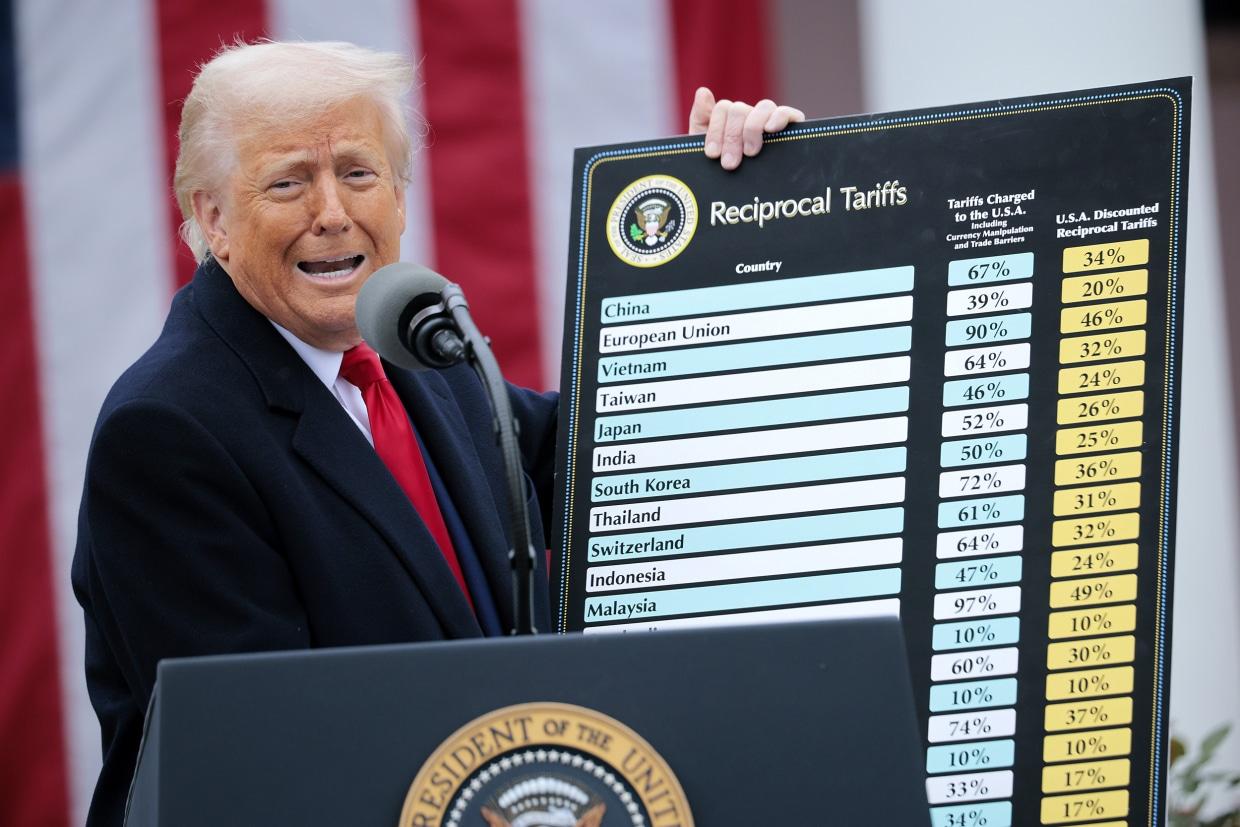
In a bid to reshape trade dynamics and bolster American manufacturing, former President Donald Trump’s administration implemented a series of tariffs targeting various nations, with Brazil being a focal point. This strategy, rooted in the broader ideology of economic nationalism, aims to protect U.S. industries and reduce dependency on foreign goods. However, experts are now warning that these tariffs may not produce the intended benefits. Rather, they could trigger a series of retaliatory measures, disrupt established supply chains, and ultimately harm American consumers and businesses. As Brazil weighs its response and seeks alternative markets, the implications of Trump’s tariffs extend beyond immediate economic concerns, raising questions about the future of U.S.-Brazil relations and the broader landscape of international trade. In this article, we explore why these tariffs could backfire, examining the potential fallout for both nations and the global economy.
Economic Repercussions of Tariffs on Bilateral Trade
The introduction of tariffs by the Trump administration aimed at Brazilian imports has sparked significant economic repercussions that are likely to ripple through bilateral trade dynamics. By imposing these tariffs, the U.S. government has set off a chain reaction, leading to a rise in overall consumer prices. American businesses that rely on Brazilian goods now face increased costs, which they may pass on to consumers. The ultimate outcomes are likely to include inflationary pressures on essential goods and a potential decrease in sales for U.S. companies reliant on Brazilian exports. Below are key sectors affected by these tariffs:
- Agriculture: Increased costs for U.S. food products.
- Automotive: Higher prices for cars with Brazilian components.
- Technology: Elevated costs for electronic devices.
Moreover, as Brazil retaliates with its own tariffs, the trade relationship is further strained, creating an environment of uncertainty. This destabilizes not only trade expectations but also investment flows between the two nations. Companies may reconsider entering joint ventures or collaborating on projects, which can stunt growth potential in innovative sectors. The following table outlines the potential shifts in trade values as tariffs take hold:
| Sector | Trade Value (US$ Billion) | Expected Impact (%) |
|---|---|---|
| Agriculture | 15 | -10% |
| Automotive | 10 | -15% |
| Technology | 8 | -12% |
Impact on American Consumers and Industries
The imposition of tariffs on Brazilian goods may lead to unintended consequences for American consumers and industries. As costs rise due to increased tariffs, consumers could face higher prices on essential products, particularly in sectors like agriculture and manufacturing. For example, imports of Brazilian soybeans and orange juice, both staples in American households, may see price hikes, affecting not only consumer spending power but also the overall cost of living. This is compounded by the likelihood that American companies reliant on imported goods may have to pass on these costs to their customers, creating a ripple effect across various sectors.
Industries that primarily source materials or components from Brazil could also be severely impacted. Manufacturers in the electronics and automotive sectors, along with food producers, may encounter challenges in maintaining profitability due to increased material costs. A potential slowdown in production and supply chain disruptions could ensue, further exacerbating the economic strain. Moreover, the tariffs could stimulate retaliatory measures from Brazil, which might target U.S. exports, leading to a tit-for-tat scenario that threatens jobs and competitiveness within many American industries. The consequences could ultimately undermine the very goal of the tariffs, which is to strengthen the domestic economy.
Strategic Alternatives for U.S. Trade Policy
The recent implementation of tariffs on Brazilian products is a significant shift in U.S. trade strategy, one that could have unintended consequences. While the Trump administration positions these tariffs as a means to protect American industries and reduce trade imbalances, the reality may be more complex. The imposition of tariffs can lead to increased prices for consumers, as goods become more expensive to import. Furthermore, Brazilian farmers and manufacturers might retaliate by targeting U.S. exports, putting American producers at a competitive disadvantage in key markets. The ripple effects of such a trade war could deeply impact not only the agriculture sector but also various industries reliant on Brazilian imports.
In evaluating alternatives to this confrontational approach, the U.S. could explore collaborative strategies that foster mutual benefits. Consideration might be given to establishing bilateral trade agreements that enhance cooperation in areas such as innovation, environmental sustainability, and trade regulation. A more diplomatic approach to trade with Brazil could include:
- Joint ventures in technology and agriculture
- Streamlined trade regulations for ease of access
- Cultural exchange programs to foster better business relationships
These strategic alternatives not only cultivate a more positive economic environment but also position the U.S. as a leader advocating for global cooperation rather than isolationism. A shift towards collaboration could mitigate the adverse effects of tariffs and encourage a more stable and predictable trade relationship.
In Retrospect
In conclusion, while President Trump’s tariffs on Brazil may have been designed to protect American industries and strengthen domestic production, the potential consequences could unfold in unexpected ways. As Brazil grapples with its own economic challenges, retaliatory measures and increased trade tensions could ultimately hurt U.S. businesses and consumers alike. The interconnectedness of the global economy highlights the precarious balance that must be maintained in international trade relations. As these tariffs take effect, all eyes will be on the evolving dynamics between the two nations, with both economic and diplomatic repercussions at stake. The outcomes of this strategy will serve as a crucial test of the administration’s trade policy and its broader implications for future U.S.-Latin America relations. Only time will reveal whether these tariffs are a strategic maneuver or a miscalculation that could ultimately backfire.