

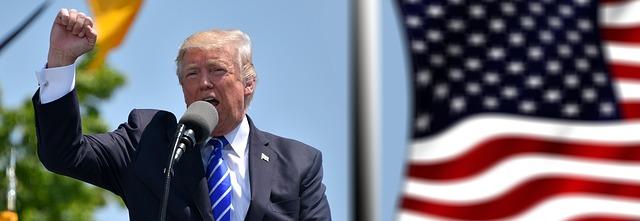
As the political landscape in Latin America continues to evolve, the influence of U.S. policies and leaders remains a critical topic of discussion. The recent electoral events in Brazil and Chile illustrate this dynamic vividly. In Brazil, the implications of former President Donald Trump’s policies loom large over voters’ decisions, shaping the way candidates navigate their platforms in a region historically swayed by American interests. Simultaneously, the debate around the proposed “shield” in Chile raises questions about security and U.S. intervention, revealing the complexities of regional governance under the shadow of American foreign policy. This article explores the intricate relationship between U.S. influence and Latin American politics, focusing on the implications for Brazil’s upcoming elections and the contentious debates in Chile, shedding light on how such dynamics might reshape the future of the region.
Trump’s Influence on Brazil’s Electoral Landscape and Its Implications for U.S. Policy
In recent years, Donald Trump’s political ethos has subtly shaped Brazil’s electoral landscape, as far-right sentiments gain traction across Latin America. The ideological currents stirred by his presidency have resonated with Brazilian voters, particularly those disenchanted with traditional political norms. Key aspects influencing this shift include:
- Populist Rhetoric: The embrace of “America First” narratives resonates with Brazil’s right-wing leaders who advocate for a nationalist approach to governance.
- Anti-establishment Sentiment: Voters express frustration with longstanding political elites, mirroring sentiments seen during Trump’s campaign.
- Economic Isolationism: Proposed protectionist policies have found a parallel in Brazilian calls for prioritizing local industries over international engagement.
The implications of Trump’s influence extend beyond Brazil’s borders, potentially reshaping U.S. foreign policy in Latin America. A shift towards populism in Brazil may lead to closer ties with other right-leaning governments in the region, prompting a reconsideration of U.S. diplomatic strategies. Considerations for U.S. policymakers include:
- Support for Democratic Institutions: Encouraging Brazil to uphold democratic norms in light of rising authoritarianism.
- Trade Agreements: Reevaluating trade relationships to accommodate Brazil’s new political stance.
- Regional Stability: Addressing concerns surrounding increased geopolitical tensions in Latin America driven by populist policies.
The evolving landscape reflects a broader trend of intertwining political ideologies across the Americas, posing both opportunities and challenges for U.S. engagement in the region.
Navigating the Chilean Shield Debate: Balancing Security and Sovereignty in a Trump Era
The ongoing conversation surrounding the Chilena Shield has intensified in recent months, with multiple stakeholders caught between the perceived need for enhanced security and the imperative to maintain national sovereignty. Many Chileans find themselves grappling with the fallout from the Trump administration’s policies, which have heightened concerns about external influence in regional affairs. The emphasis on a more militarized approach to security undercuts longstanding diplomatic principles and raises fundamental questions about Chile’s autonomy in defense matters. The debate encapsulates a broader scrutiny of U.S. interventionism, reflecting fears that reliance on external powers could compromise national interests.
In exploring potential frameworks for solution, policymakers and civil society leaders are advocating for a balanced approach that respects sovereignty while ensuring effective security measures are in place. Key proposals include:
- Enhancing regional cooperation with neighboring countries to establish a shared security framework.
- Incorporating public consultations to gather diverse perspectives on defense initiatives.
- Prioritizing transparency in military funding and procurement processes to avoid over-dependence on foreign aid.
To facilitate discussions around these themes, a recent survey indicated that a substantial portion of the Chilean populace holds reservations about the U.S. role in local policy-making:
| Perception | Percentage |
|---|---|
| Support for U.S. military assistance | 34% |
| Concerns about sovereignty loss | 62% |
| Desire for regional partnerships | 78% |
Evaluating the Intersection of U.S. Interests and Latin American Politics in the Wake of Trump’s Presidency
In the evolving landscape of Latin American politics, the ramifications of Donald Trump’s presidency continue to echo through key regional events, particularly in Brazil and Chile. The influence of U.S. interests can be seen clearly in Brazil’s recent electoral outcomes, where candidates aligned with Trump’s populist rhetoric campaigned aggressively on issues of nationalism and anti-globalism. Voter sentiment appears to reflect a growing disenchantment with traditional political norms, as Brazilian citizens grapple with economic uncertainties and social fractures. The convergence of U.S. policies during Trump’s administration with Brazil’s political climate has notably shifted the priorities of many voters, driven by a desire for leadership that promises to challenge the status quo and prioritizes national sovereignty over international commitments.
Similarly, the ongoing debate surrounding the proposed “shield” policy in Chile has been underscored by linguistic and ideological import from the U.S. The dialogues about social and economic protections reflect a broader trend influenced by American political discourse, where populist movements have fractured existing paradigms. As Chilean policymakers weigh the potential impacts of U.S. influence on domestic issues such as social welfare and public security, they must navigate the delicate balance between embracing external support and cultivating homegrown solutions. The intricate dance of diplomacy and domestic policy in the wake of Trump’s presidency highlights both the enduring U.S. influence in the region and the imperative for Latin American countries to assert their autonomy amidst powerful external pressures.
Future Outlook
As the political landscapes of Brazil and Chile continue to evolve, the influence of U.S. policy remains a pivotal factor in shaping the region’s decisions and directions. The ramifications of Trump’s approach towards Latin America, coupled with the ongoing debates around governance and security, highlight the complex interplay of domestic and foreign interests. As elections loom and discussions on key issues, such as immigration and national security, intensify, it becomes increasingly clear that the U.S. factor will play a critical role in the outcomes. Observing these developments will be crucial not only for policymakers in Washington but also for citizens across Latin America who face the immediate impact of these international dynamics. The coming months will undoubtedly reveal the extent to which the past administration’s legacy continues to resonate within these pivotal nations. Stay tuned for ongoing updates and analysis on these unfolding stories.

