

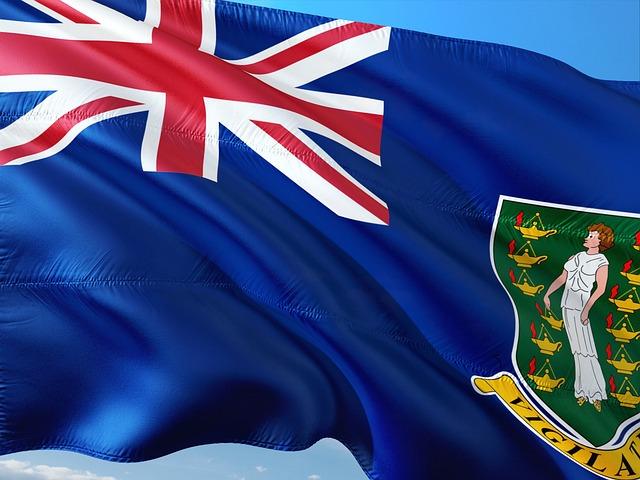
In a stunning development, Andrew Fahie, the Premier of the British Virgin Islands, has been arrested in Miami on serious drug charges, marking a dramatic turn in the political landscape of the Caribbean territory. Fahie, who has held office since 2019, was reportedly taken into custody as part of a larger investigation into drug trafficking and money laundering activities linked to the region. The arrest raises significant questions about governance and corruption within the British Virgin Islands, a British Overseas Territory, and its implications for international relations, as authorities delve deeper into the complexities of this high-profile case. This incident underscores ongoing concerns regarding the Caribbean’s role in global narcotics trade and highlights the challenges faced by small island nations in maintaining political integrity amidst systemic vulnerabilities.
British Virgin Islands Premier Andrew Fahie’s Arrest: Implications for Political Stability
The arrest of Andrew Fahie, the Premier of the British Virgin Islands, has sent shockwaves through the political landscape of the territory. Charged with serious drug-related offenses in Miami, this unprecedented development raises questions about governance, public trust, and the future of political stability in the BVI. The implications of his arrest could lead to significant shifts in power dynamics, as key leadership roles may need to be reassessed in the wake of this scandal. Stakeholders are particularly concerned about how this situation could affect international relations, economic stability, and the ongoing recovery efforts from the impacts of recent natural disasters.
In the aftermath of this incident, several factors will likely come into play as the territory navigates its political future:
- Potential Leadership Vacancies: The need for interim leadership or a new Premier could disrupt ongoing governmental initiatives.
- Public Sentiment: Citizens may react with heightened concern over corruption and governance issues, leading to possible civil unrest.
- International Scrutiny: The arrest may attract increased attention from global regulatory bodies and foreign governments.
| Impacted Areas | Possible Outcomes |
|---|---|
| Political Stability | Potential leadership changes and policy shifts. |
| Public Confidence | Decreased trust in the political system. |
| Economic Impact | Possible investor hesitation due to uncertainty. |
Assessing the International Response and Legal Consequences of Fahie’s Drug Charges
The arrest of Andrew Fahie in Miami has reverberated through the corridors of international diplomacy, raising questions about the efficacy of cross-border legal frameworks in combating drug trafficking. Officials from the British Virgin Islands (BVI) and the United Kingdom are under pressure to clarify their stances and actions following the high-profile arrest. International organizations, including the United Nations Office on Drugs and Crime, may examine this incident as a case study in the complexities of drug laws and the conduct of government officials. The implications extend beyond Fahie himself, potentially affecting international relations and the future of governance in the Caribbean region.
Legal consequences for Fahie could extend well into the avenues of extradition and prosecution depending on the charges’ severity and interactions of local and international law enforcement agencies. As discussions unfold, key aspects include:
- Collaboration among nations: The speed and efficiency of responses from the U.S. and UK.
- Potential sanctions or political repercussions: How this may impact diplomatic relations within the Caribbean.
- Impact on local governance: The potential fallout for the BVI’s political landscape and rule of law.
Experts warn that the ramifications of this arrest could signal greater scrutiny on political leaders within the Caribbean, reinforcing zero-tolerance policies on drug-related offenses. As the legal processes develop, it will be crucial to monitor both immediate and long-term effects on governance in the BVI and the overall structural integrity of regional politics.
Recommendations for Reforming Governance in the British Virgin Islands Post-Arrest
In light of the recent arrest of Premier Andrew Fahie, there is an urgent need to reassess the governance framework in the British Virgin Islands. To restore public confidence and ensure transparency in leadership, the following reforms are recommended:
- Strengthening Oversight Mechanisms: Establish an independent oversight body to monitor government activities and expenditures, ensuring accountability and minimizing corruption.
- Enhancing Legislative Process: Implement reforms to encourage public participation in the legislative process, allowing for greater scrutiny and input on proposed laws.
- Whistleblower Protections: Introduce robust protections for whistleblowers to encourage individuals to report misconduct without fear of retaliation.
- Education and Training Programs: Invest in governance training for public officials to promote ethical decision-making and improve the overall standards of public service.
Additionally, establishing a clear code of ethics for politicians and public officials would reinforce integrity and public trust. A dedicated task force should be created to explore innovative solutions tailored to the unique challenges faced by the territory, ensuring that governance is responsive and accountable to its citizens:
| Recommended Reform | Expected Outcome |
|---|---|
| Independent Oversight Body | Increased accountability and transparency |
| Public Participation in Legislation | Greater inclusivity and representation |
| Whistleblower Protections | Enhanced reporting of unethical conduct |
| Public Official Training | Higher ethical standards in governance |
To Wrap It Up
In conclusion, the unexpected arrest of British Virgin Islands Premier Andrew Fahie in Miami on serious drug charges marks a significant turning point in the political landscape of the British overseas territory. This incident not only raises questions about governance and accountability in the BVI but also highlights the ongoing challenges posed by drug trafficking in the Caribbean region. As legal proceedings unfold, the implications of this arrest will likely reverberate through BVI’s political sphere and beyond, prompting scrutiny of both local leadership and international drug enforcement efforts. The developments warrant close attention as stakeholders react and the full impact of this situation begins to emerge.

