

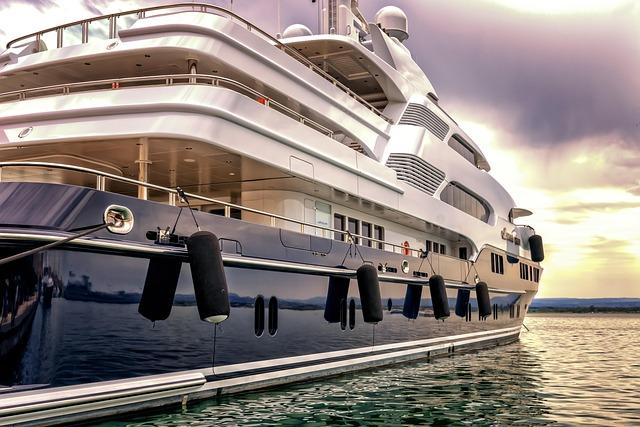
In a developing story that has raised concerns among local businesses and the tourism sector, several charter boat operators are reportedly abandoning the waters of the U.S. Virgin Islands in response to escalating disputes over licensing and fee structures. As local authorities implement new regulations aimed at increasing revenue from the thriving charter industry, boat owners are voicing their frustrations, citing unsustainable costs and bureaucratic challenges. This exodus not only threatens the livelihoods of those directly involved in the charter industry but also poses a significant risk to the islands’ economy, which heavily relies on maritime tourism. With operators seeking more favorable conditions elsewhere, the implications of this ongoing conflict could reshape the landscape of boating in the Caribbean. This article delves into the origins of the fee dispute, the reactions from charter boat operators, and the potential consequences for the U.S. Virgin Islands’ tourism industry.
Charter Boat Industry Faces Unrest Amid Fee Dispute in US Virgin Islands
The ongoing fee dispute in the US Virgin Islands has sent shockwaves through the charter boat industry, forcing many operators to reconsider their future in these once-treasured cruising grounds. With significant increases in docking and licensing fees proposed by local authorities, boat owners are grappling with inflated operational costs that are becoming untenable. This unrest has led to a notable trend: charter boats are increasingly opting to depart for more favorable waters, where regulations are less burdensome and operational viability is guaranteed. The implications of this mass exodus could severely impact the local economy, which heavily relies on tourism and charter services.
In response to these challenges, several stakeholders within the industry have begun mobilizing, calling for greater transparency and a more sustainable fee structure. Key demands include:
- Reevaluation of proposed fees to align with industry standards
- Increased opportunities for stakeholder input during decision-making processes
- Long-term strategies to support both local businesses and charter operators
As tensions rise, the potential for a compromise remains uncertain. Key players are urging the Virgin Islands government to consider the broader impact of their policies, especially in a time when fostering a welcoming environment for travel and tourism is critical for the region’s recovery post-pandemic.
Impacts on Tourism and Local Economy as Operators Seek Alternatives
The ongoing fee dispute between charter boat operators and local authorities in the US Virgin Islands is sending shockwaves through the tourism sector that rely heavily on maritime activities. As operators scramble to find viable alternatives, the loss of business is becoming increasingly palpable, with noticeable declines in tourist arrivals and local spending. Business owners are expressing deep concerns over an impending downturn that extends beyond just the boats; entire hospitality sectors, including hotels and restaurants, may face considerable revenue losses. Simultaneously, uncertainties surrounding the resolution of this dispute have created a hesitant atmosphere among potential visitors, leading to cancellations of pre-planned trips.
In response, many operators are exploring options beyond the Virgin Islands, including neighboring Caribbean destinations where they can avoid the steep fees. The shift is already observable in local markets, where tourism-related businesses are bracing themselves for a potential ripple effect. The implications of losing these operators could be severe, resulting in job displacement and diminished economic activity. To illustrate the impact, consider the following table showcasing potential losses in local economic factors:
| Economic Factor | Projected Percentage Loss |
|---|---|
| Tourist Arrivals | 30% |
| Restaurant Revenue | 25% |
| Hotel Bookings | 20% |
| Local Employment | 15% |
Proposed Solutions for Resolving Fee Conflicts and Revitalizing the Charter Sector
The ongoing fee disputes between charter boat operators and local authorities in the US Virgin Islands have prompted calls for innovative solutions to restore balance and foster a more sustainable charter sector. Stakeholders suggest implementing a tiered fee structure based on boat size and duration of stay, which would not only make it more equitable for smaller operators but also incentivize longer-term charters. Stakeholders believe that transparent communication channels between boat owners and local government can facilitate better understanding and cooperation, ultimately leading to more harmonious relationships. Other recommendations include establishing a Charter Boat Advisory Board, consisting of local operators, government representatives, and tourism experts to regularly review fee structures and address emerging concerns collaboratively.
Furthermore, educational initiatives aimed at local communities could foster goodwill and a better appreciation of the economic benefits charter boats bring to the region. Programs highlighting the importance of sustainable tourism practices can help bridge the gap between locals and visitors. Potential strategies might include workshops, community events, and collaborative marketing efforts that promote the US Virgin Islands as a premier destination, benefiting both the charter sector and local businesses. Additionally, enforcing stricter regulations around environmental practices could position the islands as a leader in eco-tourism, attracting a more conscientious clientele and creating a win-win situation for all parties involved.
To Wrap It Up
In conclusion, the ongoing rift between charter boat operators and the US Virgin Islands government over steep docking and permit fees signals a turning point for the region’s lucrative boating industry. As operators seek greener pastures amid rising costs, the potential loss of vital economic activity could reverberate throughout local communities reliant on tourism. The situation remains fluid, with stakeholders on both sides of the dispute calling for dialogue to find a resolution. As the Virgin Islands confront the implications of this exodus, the stakes are high-not just for charter boat owners, but for the future of tourism in the entire region. The coming weeks will be critical in determining whether a compromise can be reached or if the trend of departures will continue, reshaping the maritime landscape of the Virgin Islands for years to come.

