

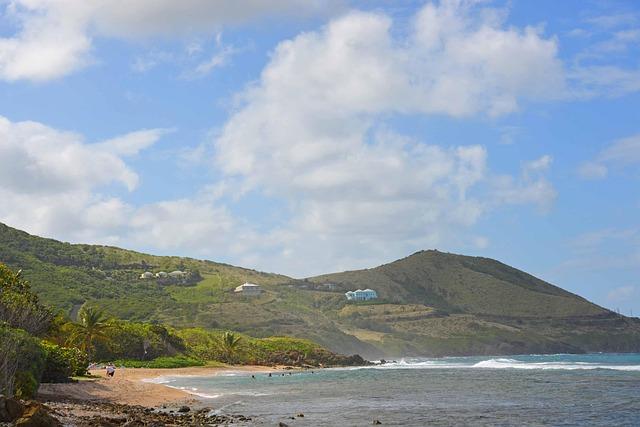
In the heart of the Caribbean, the US Virgin Islands stand as a vibrant tapestry of culture, natural beauty, and complex history. Yet, beneath their picturesque landscapes and the allure of crystal-clear waters lies a tumultuous past marked by violence, colonization, and struggle. From the arrival of European powers in the 15th century to the lingering impacts of slavery and economic exploitation, the islands’ history has profoundly shaped their identity and society. In this article, we delve into how these historical traumas and transformations have sculpted the US Virgin Islands into the distinct territory they are today, examining the echoes of their violent past in contemporary life and culture. Through this exploration, we seek to illuminate the resilience of the Virgin Islanders and the ongoing journey toward healing and recognition.
Understanding the Colonial Legacy of the US Virgin Islands
The history of the US Virgin Islands is steeped in a complex legacy shaped by colonial powers that once vied for control of its rich resources and strategic location. From the arrival of Christopher Columbus in 1493 to the subsequent domination by the Dutch, Spanish, English, and Danish, the islands underwent a series of dramatic transformations that laid the groundwork for their current identity. Each colonial power brought its own culture, economy, and governance style, weaving a tapestry of influences that coexist today. Key events in this transformation include:
- The establishment of sugar plantations, which relied heavily on the forced labor of enslaved Africans.
- The Danish West India Company’s role in expanding trade and conflict over territorial control.
- The purchase of the islands by the United States in 1917 amid World War I concerns about German U-boats.
Understanding the ramifications of this tumultuous past reveals the societal dynamics that persist in the archipelago today. The legacy of colonial exploitation is evident in the socio-economic challenges faced by many residents, including systemic inequalities and a struggle for political representation. Additionally, cultural practices and languages reflect this rich history, resulting in a blend of Afro-Caribbean and European traditions. The current demographic landscape signifies this historical evolution:
| Demographic Group | Percentage |
|---|---|
| Afro-Caribbean | 76% |
| European Ancestry | 15% |
| Other Ethnicities | 9% |
The Impact of Enslavement on Cultural Identity and Heritage
Enslavement in the US Virgin Islands has left an indelible mark on the cultural identity and heritage of its people. The brutal history of forced labor transformed a diverse set of African cultures into a hybrid identity, encompassing African traditions, European influences, and indigenous elements. This amalgamation is evident in various aspects of life, including music, dance, and cuisine, where traditional African rhythms blend seamlessly with European melodies, and local ingredients evolve into unique culinary offerings. The preservation of this cultural diversity is a testament to the resilience of the descendants who continue to celebrate their rich heritage despite the historical trauma.
Today, the cultural landscape of the US Virgin Islands is a reflection of its complex past, with festivals and celebrations that echo the struggles and triumphs of enslaved ancestors. Key traditions and practices, such as:
- Junkanoo – A vibrant street festival featuring music and dance that reflects African roots.
- Crucian Christmas Festival – An event showcasing local food, music, and storytelling.
- Storytelling – A practice that preserves oral histories and folklore.
have emerged as vital components of the islands’ cultural identity. These customs not only commemorate the hardships endured but also foster a sense of belonging and community among residents. They serve as a vivid reminder that, in reclaiming their heritage, the people of the US Virgin Islands are not merely preserving the past-they are actively enriching their present and shaping a vibrant future.
Lessons from History: Fostering Reconciliation and Sustainable Development
The complex tapestry that constitutes the US Virgin Islands is woven from threads of colonialism, slavery, and cultural resilience, illustrating a past that cannot be overlooked. Understanding this history is crucial as it serves as a foundation for current initiatives aimed at reconciliation and sustainable development. The islands were originally inhabited by the Arawak and Carib peoples before European colonization introduced a series of violent conflicts, slave plantations, and economic exploitation. The consequences of these actions are still felt today, making it vital for contemporary leaders to acknowledge and address historical injustices in their efforts for community healing and inclusive policy-making.
Central to fostering a reconciliatory approach is the recognition of diverse narratives that define the islands’ identity. By promoting education on the historical context and cultural heritage, stakeholders can cultivate respect and understanding among different communities. Key areas for fostering reconciliation and development include:
- Community Engagement: Involving local populations in decision-making processes.
- Preservation of Cultural Heritage: Protecting historical sites and traditions.
- Economic Diversification: Moving beyond tourism to sustainable agriculture and industry.
Emphasizing collaborative projects that merge historical reflection with future aspirations can cultivate a sense of shared identity and purpose. This approach can be illustrated in a simple table outlining current reconciliation initiatives and their objectives:
| Initiative | Objective |
|---|---|
| Cultural Festivals | Celebrate and preserve local traditions |
| Community Dialogues | Facilitate open conversations about the past |
| Sustainable Tourism Projects | Promote responsible tourism that benefits locals |
Insights and Conclusions
As we conclude our exploration of the complex history that shaped the U.S. Virgin Islands, it becomes evident that the islands’ vibrant culture and stunning landscapes are inseparable from a legacy marked by violence, colonialism, and resilience. The echoes of the past resonate through the very fabric of daily life in the territory, influencing everything from its social dynamics to its economic structures. Understanding this history is crucial not only for appreciating the beauty of the islands but also for recognizing the ongoing challenges faced by their inhabitants. As we reflect on the intricate tapestry woven by the intertwined narratives of indigenous peoples, enslaved Africans, and colonial powers, it is clear that the story of the U.S. Virgin Islands is a testament to endurance and transformation. The path forward requires acknowledging this history as a foundation for building a more equitable future, ensuring that the voices of those who endured the trials of the past continue to shape the narrative of these remarkable islands.

