

Understanding the Flag of the British Virgin Islands: Meaning, Colors, and Historical Significance
In the heart of the Caribbean lies the British Virgin Islands (BVI), a tropical haven known for its stunning beaches and vibrant culture. Yet, the territory’s flag, adorned with rich symbolism and historical significance, often goes unnoticed-its colors and emblems telling a story of resilience and identity. This article delves into the meaning behind the flag of the British Virgin Islands, exploring its design elements, the colors used, and the historical context that shaped its creation. Join us as we uncover the narrative woven into this emblem of national pride for the BVI, reflecting the territory’s unique heritage and its relationship with British colonial history.
Significance of the British Virgin Islands Flag in Cultural Identity
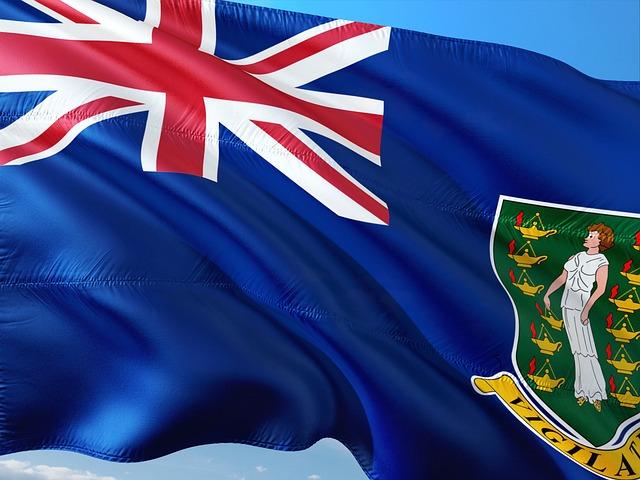
The flag of the British Virgin Islands serves as a powerful symbol of the territory’s cultural identity, reflecting its history, values, and aspirations. The depiction of the Virgin Islands’ coat of arms at the flag’s heart, which features Saint Ursula and her eleven companions, encapsulates the islands’ rich heritage and the importance of faith and perseverance in their historical journey. This representation is not only a nod to the islands’ colonial past but also a celebration of the strength and unity that have characterized the BVI people through centuries of change and challenge.
Furthermore, the flag’s vibrant colors and design are imbued with significance that resonates with the local population. Each element can be interpreted as a reflection of the islands’ natural beauty and resources, evoking pride among residents and an enduring connection to their surroundings. Notably, the flag serves as a reminder of the community’s resilience and the shared commitment to preserving their unique cultural expressions, from traditional festivals to contemporary arts. The flag, therefore, is not merely a piece of fabric; it is a living symbol of the British Virgin Islands’ identity and a unifying emblem for its citizens.
Exploring the Colors and Symbols: What the Flag Represents
The flag of the British Virgin Islands is a vivid mosaic of colors and symbols that reflect the rich heritage and identity of the territory. The blue field represents the vast Atlantic Ocean that embraces the islands, serving as a constant reminder of the importance of the sea to the region’s history and economy. Overlaying the blue is the Union Jack, a nod to the islands’ status as a British overseas territory and their ties to the United Kingdom. The meticulous arrangement of the design signifies a connection to British culture while honoring the unique identity of the Virgin Islands.
At the flag’s center lies the coat of arms, which includes a shield adorned with twelve grapes growing on a vine. These grapes symbolize the twelve islands that make up the territory, portraying abundance and the natural beauty of the BVI. Surrounding the shield, symbolic elements such as the golden Caribbean sun and lush greenery accentuate the region’s tropical landscape. Thus, the flag serves not only as a national emblem but also as a representation of the peoples’ unity, strength, and resilience amidst a backdrop of stunning natural resources.
A Historical Overview of the British Virgin Islands Flag Evolution
The flag of the British Virgin Islands has undergone notable changes since the islands’ initial colonization. Originally part of the British Empire, the territory used various insignias that reflected its colonial ties. In 1866, the first official flag was established, featuring the Union Jack alongside a shield that depicted Saint Ursula with her 11,000 virgins. This design aimed to signify the islands’ Christian heritage and historical connections. Over the years, the flag evolved, reflecting shifts in governance and national identity as the British Virgin Islands sought greater autonomy.
By 1960, the flag we recognize today was adopted, marking a milestone in fostering a distinct national identity. The current design consists of the Union Jack in the canton and a blue field featuring the islands’ coat of arms. The coat of arms incorporates five white lamps, representing the islands’ various cultural heritages, with a green background symbolizing the lush landscapes and natural beauty of the territory. This evolution signifies not only the islands’ colonial past but also its aspirations for a self-determined future, intertwining local culture with its historical narrative.
To Wrap It Up
In conclusion, the Flag of the British Virgin Islands serves as a powerful symbol of the territory’s identity, history, and aspirations. With its distinct colors and meaningful design, the flag not only reflects the rich cultural heritage of the islands but also honors the enduring resilience of their people. Understanding the significance behind each element of the flag offers a deeper appreciation for the British Virgin Islands’ unique position within the Caribbean and its relationship with the broader world. As the territory continues to evolve, so too does the story encapsulated within its flag-a narrative of pride, unity, and hope for the future. For more insights about this emblematic symbol and its role in the Virgin Islands’ identity, visit Britannica.

