

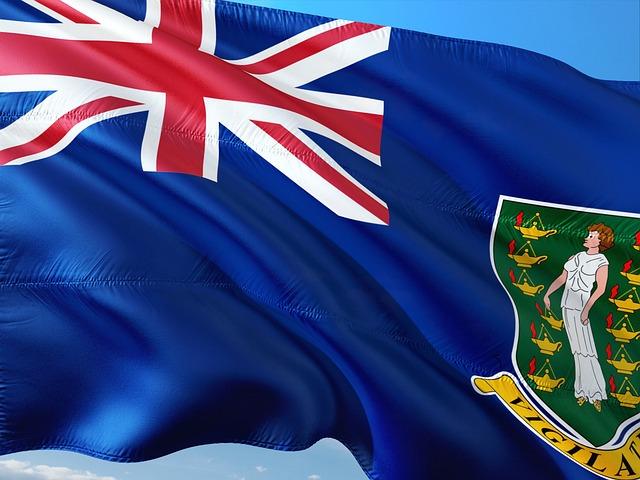
In a dramatic turn of events that has sent shockwaves through the political landscape of the British Virgin Islands, Premier Andrew Fahie has been ousted following his arrest on serious drug trafficking charges. The arrest, which took place in early May 2022 during an undercover sting operation led by U.S. authorities, has raised pressing questions about governance and the rule of law in the territory. As the islands grapple with the fallout from this unprecedented scandal, the events surrounding Fahie’s arrest and subsequent removal from office have sparked widespread discussion about the implications for leadership and integrity within the British Overseas Territory. This article delves into the circumstances of Fahie’s arrest, the reaction from local and international officials, and the potential impact on the future of the British Virgin Islands.
Andrew Fahie’s Arrest Signals a Shift in Leadership for British Virgin Islands
The arrest of Andrew Fahie, the former premier of the British Virgin Islands, marks a profound turning point in the region’s political landscape. Fahie, once seen as a figure of authority and local commitment, has now become synonymous with controversy and scandal. His alleged involvement in drug trafficking, as per U.S. federal authorities, not only raises questions about governance but also illuminates deeper issues of corruption and accountability in the territory. With Fahie’s sudden ousting, the territory is now poised for significant changes in its leadership dynamics.
As the dust settles following Fahie’s arrest, several areas are expected to undergo scrutiny and transformation:
- Leadership Transition: The appointment of an interim leader will be critical in restoring trust and ensuring stability.
- Public Perception: Citizens’ confidence in their elected officials may waver, prompting calls for greater transparency.
- International Relations: The British Virgin Islands may need to reassess its diplomatic ties, particularly with the U.S., which has played a key role in the investigation.
With these elements in play, the British Virgin Islands stand at a crossroads, with new leadership likely tasked with reinforcing ethical governance amid heightened scrutiny from both local and international communities.
Implications for Governance and Accountability in the British Virgin Islands
The recent arrest of the British Virgin Islands’ Premier Andrew Fahie not only raises immediate questions regarding individual accountability but also illuminates wider systemic issues within the territory’s governance framework. As allegations of drug trafficking surface, the event underscores the critical need for increased oversight and regulatory reforms. Key areas of focus include:
- Enhanced Transparency: Institutions must commit to greater transparency to rebuild public trust.
- Robust Oversight Mechanisms: Establishing independent bodies to monitor governmental actions and prevent abuses of power.
- Public Engagement: Encouraging active citizen participation in political processes to hold leaders accountable.
This incident also emphasizes the importance of revisiting existing policies that govern political conduct and integrity. A legislative response may involve instituting stricter ethical guidelines and penalties for corruption. To illustrate the potential reforms, the table below presents suggested actions alongside their intended outcomes:
| Proposed Action | Intended Outcome |
|---|---|
| Implement a Code of Conduct for Elected Officials | Promote ethical behaviors and deter corruption |
| Establish a Whistleblower Protection Program | Encourage reporting of misconduct without fear of retaliation |
| Regular Audits of Government Transactions | Ensure financial integrity and accountability |
Recommendations for Strengthening Integrity in Caribbean Political Leadership
To fortify integrity within the realm of Caribbean political leadership, it is essential to adopt a multifaceted approach that addresses systemic vulnerabilities. Transparent governance should be prioritized by mandating open access to financial records and decision-making processes. Legal frameworks that enforce stringent anti-corruption measures must be established, delivering not just punitive action against wrongdoers but also ensuring the protection of whistleblowers. To complement these measures, educational programs aimed at both politicians and the public can help cultivate a culture of accountability and responsibility.
Moreover, fostering citizen engagement in the political process can enhance oversight and participation. Establishing regular town hall meetings and online platforms for dialogue will empower communities to voice their concerns and keep their leaders accountable. Additionally, a regional coalition to monitor and report corruption could be effective in creating a supportive environment for integrity. To illustrate the importance of collaboration, consider the potential impact of joint initiatives among Caribbean nations:
| Initiative | Potential Impact |
|---|---|
| Regional Anti-Corruption Summit | Strengthened legal frameworks across member states |
| Joint Whistleblower Protection Program | Encouraged reporting of corrupt practices without fear |
| Public Financial Literacy Campaign | Enhanced understanding of fiscal responsibility among citizens |
In Summary
In conclusion, the political landscape of the British Virgin Islands faces a significant shift following the arrest of Premier Andrew Fahie on drug-related charges. His removal from office underscores the ongoing challenges of governance and corruption in the region, as authorities grapple with the implications of this high-profile case. As the investigation unfolds, local and international observers will be watching closely to see how the new leadership addresses both the immediate fallout and the broader issues of trust and accountability within the territory. With calls for transparency and reform intensifying, the path forward for the British Virgin Islands remains uncertain but critical for its citizens and geopolitical stability in the Caribbean.

