

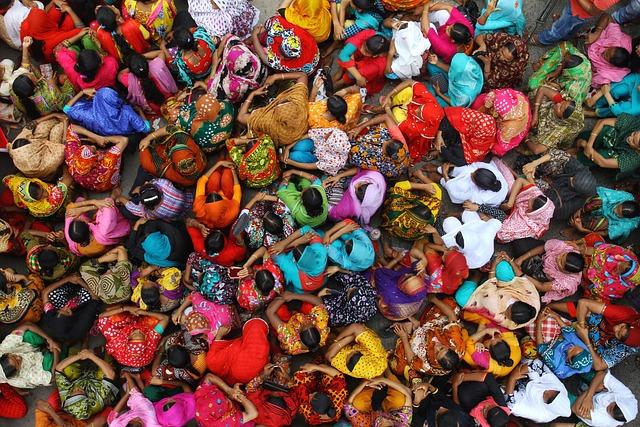
In a growing display of defiance against perceived external governance, residents of the British Virgin Islands (BVI) have taken to the streets in protest against the UK government’s proposal to impose direct rule on the territory. This controversial plan comes in the wake of increasing concerns about corruption and governance in the Caribbean territory, prompting calls for direct intervention from London. As demonstrators rally in various towns, waving placards and chanting slogans, the situation reflects a broader struggle for autonomy and self-determination among the island’s populace. The protests not only highlight local frustrations with the UK’s colonial legacy but also raise important questions about the balance of power between overseas territories and their governing nations. Amidst growing tensions, the future of the BVI’s political landscape hangs in the balance.
Protests Erupt in BVI as Residents Reject UK Direct Rule Plans
Tensions have escalated in the British Virgin Islands as residents took to the streets in large numbers to voice their opposition to the UK government’s proposed plans for direct rule over the territory. Demonstrators are rallying against what they see as an infringement on their self-governance and an erosion of local autonomy. Key grievances expressed include:
- Threat to democracy: Locals argue that direct rule undermines their democratic rights, stripping them of the ability to self-determine their political future.
- Discontent with governance: Many citizens are frustrated with the perceived lack of accountability by the UK, particularly following a controversial report highlighting issues with corruption and governance.
- Call for dialogue: Protesters are urging the UK to engage in meaningful conversations with BVI representatives rather than imposing top-down measures.
The streets of Road Town are lined with banners and chants as a diverse coalition of citizens from various walks of life unites in their purpose. Activists and community leaders have organized the demonstrations, highlighting key points such as local economic impacts and the preservation of cultural identity. The protests have also drawn attention to the following:
| Key Concerns | Impact on Residents |
|---|---|
| Loss of Local Governance | Increased reliance on UK decisions |
| Erosion of Cultural Identity | Fear of losing BVI’s unique heritage |
| Economic Uncertainty | Potential decline in tourism and investment |
Local Leaders Demand Greater Autonomy and Political Dialogue
In the wake of proposed direct rule from the United Kingdom, local leaders across the British Virgin Islands have come together, expressing a strong desire for increased autonomy and a more meaningful political dialogue. This concerted effort highlights the region’s growing frustrations with governance that they perceive as out of touch with the needs and aspirations of the BVI populace. Community leaders argue that decisions impacting their lives should be made locally, emphasizing that self-governance is not just a political statement but a fundamental principle that underpins democracy.
As protests continue to gain momentum, citizens are rallying around several key demands, including:
- Expanded Local Powers: The need for greater control over local legislation and decision-making processes.
- Enhanced Political Dialogue: Direct engagement between BVI authorities and UK representatives to foster mutual understanding.
- Strengthening Community Voices: More opportunities for citizens to actively participate in governance and policy development.
These calls for autonomy reflect a growing sentiment among the BVI people that they are capable of self-determination. As tensions rise, a table summarizing the proposed changes highlights the core areas of focus for local leaders:
| Focus Area | Proposed Change |
|---|---|
| Legislation | Increase local authority’s legislative powers |
| Dialogue | Regular meetings between BVI leaders and UK officials |
| Community Engagement | Establish channels for public participation |
Calls for International Support to Uphold Democratic Rights in BVI
In the face of rising tensions, citizens of the British Virgin Islands (BVI) are increasingly vocal in their demands for international backing to preserve their democratic rights amid threats of direct rule by the United Kingdom. The proposed imposition of direct governance has sparked widespread protests as residents express concerns over potential erosion of their local autonomy. Activists are uniting, calling upon governments and organizations globally to advocate for the self-determination of BVI residents, ensuring that their voices are heard and respected during this critical juncture.
Supporters of BVI’s democratic integrity have outlined several urgent actions they wish to see from the international community, including:
- Monitoring the situation: Increased oversight by international organizations to ensure transparency and accountability.
- Diplomatic engagement: Encouraging UK officials to reconsider the decision and engage in dialogue with BVI stakeholders.
- Local empowerment: Supporting initiatives that strengthen democratic institutions within the territory.
While the government of the UK insists that the move is designed to ensure stability, opponents argue that it undermines the rights and wishes of BVI residents. They emphasize the importance of international solidarity in not only keeping the issue in the global spotlight but also in fostering a supportive environment for peaceful resolution and autonomy.
In Retrospect
As tensions mount in the British Virgin Islands following the UK government’s proposal to impose direct rule on the territory, the streets have become a stage for widespread protests. Demonstrators, fueled by a deep sense of autonomy and a desire for self-governance, have made their voices heard loud and clear. The unfolding situation raises critical questions about the future of the BVI’s governance and its relationship with the UK. As citizens rally for their rights and advocate against perceived colonial overreach, the world watches closely. The outcome of this standoff may not only shape the political landscape of the BVI but also serve as a pivotal moment in the broader discourse on colonial legacies and the sovereignty of overseas territories. Whether a resolution can be achieved through dialogue or if tensions will escalate further remains to be seen. In this volatile atmosphere, the residents of the BVI continue to assert their determination to chart their own course amid the looming shadow of British authority.

