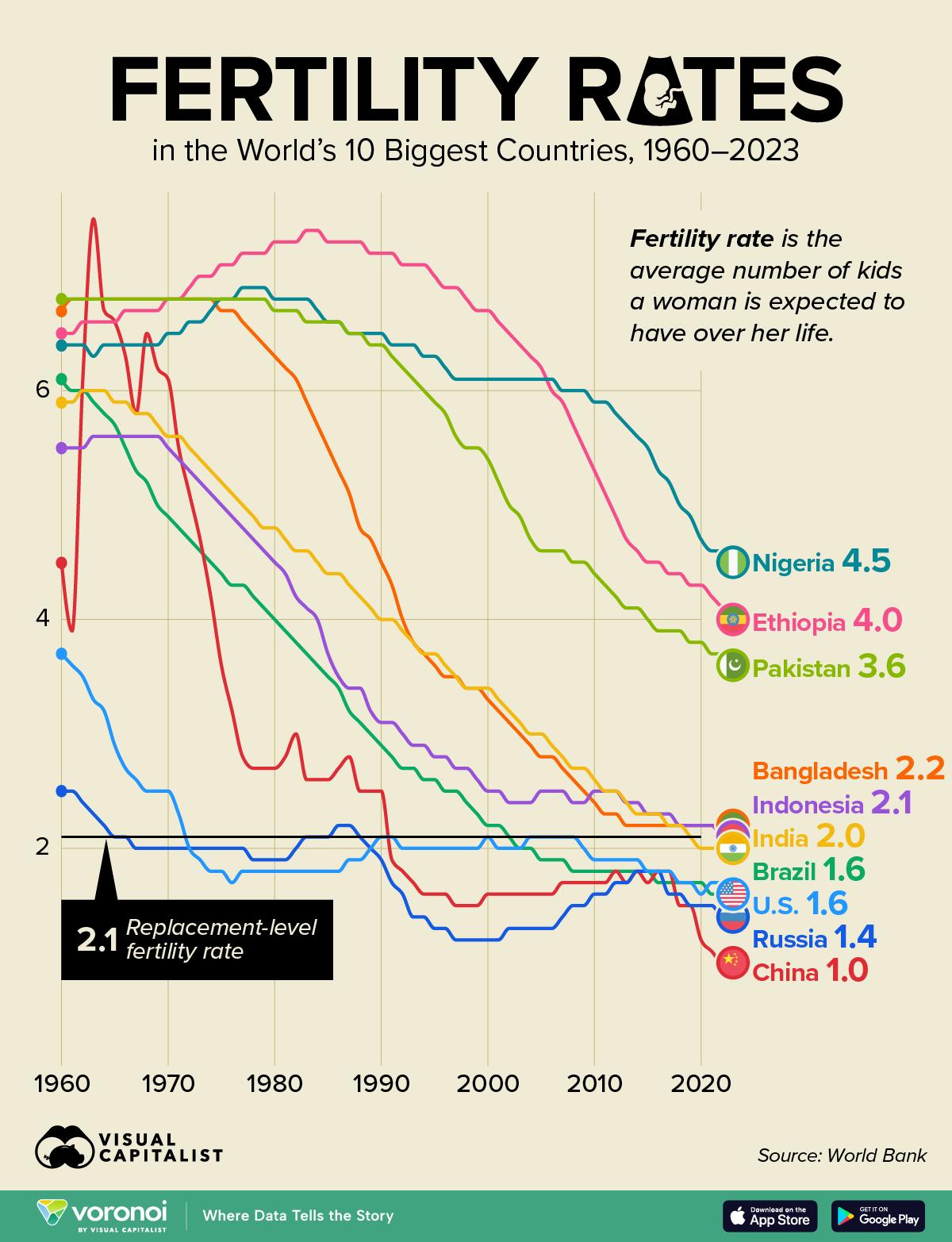
As birth rates continue to decline in various parts of the world, Chile stands out with a notably sharp decrease that could serve as a bellwether for trends in other nations, including the United States. Recent statistics reveal that Chile’s fertility rate has fallen to historic lows, raising complex questions about the implications for its economy, workforce, and social support systems. In a country that has undergone significant social and economic transformations over recent decades, this demographic shift mirrors patterns observed in developed nations grappling with similar challenges. As policymakers and researchers study this phenomenon, the lessons gleaned from Chilean experiences may offer valuable insights into the future of American birth rates and their potential impact on society. In this article, we delve into the factors driving this decline in Chile, examine its ramifications, and explore what it could mean for the U.S. as it faces its own demographic crossroads.
Understanding the Factors Behind Chile’s Declining Birth Rates
Chile’s declining birth rates can be attributed to a myriad of intertwined factors that reflect broader social and economic shifts. One of the most significant elements is the increasing participation of women in the workforce, which has led to a shift in priorities. As women pursue higher education and career advancement, they often delay starting families. Additionally, urbanization plays a crucial role, as young couples gravitate towards cities where living costs are higher and space is limited, making it challenging to raise larger families. Other influential reasons include:
- Access to contraceptive methods: Increased availability and education around family planning allow individuals to make informed decisions about their reproductive health.
- Changing societal norms: A cultural shift towards valuing personal freedom and individual achievements can lead to lower birth rates.
- Economic uncertainties: Financial instability and high living expenses discourage families from having more children.
In addition to individual choices, government policies have also had a substantial impact. Over the years, Chile has implemented several social programs aimed at supporting families; however, these have not sufficiently countered the economic pressures faced by many. For instance, while parental leave policies exist, the lack of comprehensive childcare support and flexible work arrangements still pose significant barriers for parents. The following table summarizes the key demographic changes in Chile that have fueled this decline:
| Year | Birth Rate (per 1,000 people) | Median Age of Mothers |
|---|---|---|
| 2000 | 18.4 | 25.9 |
| 2010 | 16.2 | 26.9 |
| 2020 | 12.3 | 31.5 |
Lessons from Chile: Implications for Future U.S. Demographics
Chile’s plunging birth rates, which have dropped from 3.2 in 2000 to about 1.5 in 2020, present significant lessons for understanding potential demographic shifts in the United States. As societal norms evolve, several factors emerge as key influencers on family planning decisions. These include:
- Economic Stability: Increasing costs of living and housing can deter couples from having more children.
- Access to Education: Higher educational attainment correlates with lower birth rates; women pursuing careers often postpone or limit childbirth.
- Social Attitudes: Changing perceptions regarding marriage and parenthood have led to a preference for smaller families or none at all.
As the U.S. grapples with similar trends, policymakers and economists must consider the long-term implications of these shifts. Notably, this decline in birth rates could influence workforce demographics, healthcare demands, and social services funding. To better illustrate these potential changes, the following table summarizes projected shifts in U.S. age demographics by 2030:
| Age Group | 2010 Population | Projected 2030 Population |
|---|---|---|
| 0-14 years | 19% | 16% |
| 15-64 years | 66% | 62% |
| 65 years and over | 15% | 22% |
Understanding these dynamics is imperative for forthcoming policy formation, as it presents a profound transition from a youth-oriented population to one with an increasingly aging demographic. As Chile navigates these transitions, the U.S. may do well to observe and apply these insights.
Policy Recommendations to Address Fertility Challenges in America
To effectively address the declining fertility rates in the U.S., policymakers must adopt a multifaceted approach that takes lessons from countries facing similar challenges, such as Chile. Comprehensive family support policies can significantly influence reproductive decisions by alleviating financial pressures. Key strategies may include:
- Expanding paid family leave to ensure both parents can provide care during crucial early stages.
- Implementing childcare subsidies to make early childhood education more accessible and affordable for all families.
- Enhancing healthcare access, especially maternal and reproductive health services, to foster a supportive environment for potential parents.
In addition to financial incentives, it is critical to promote a cultural shift towards valuing work-life balance and supportive workplace policies. Employers can play a pivotal role by adopting flexible work hours and remote work options, which can make parenting more manageable. A table showcasing recent surveys on parental attitudes toward workplace support can highlight the urgency of these initiatives:
| Survey Item | % Supporting Flexibility |
|---|---|
| Flexible Work Hours | 78% |
| Remote Work Options | 65% |
| Paid Family Leave | 82% |
To Conclude
In conclusion, the significant drop in birth rates in Chile serves as a compelling case study for understanding potential demographic shifts in the United States. As economic pressures, changing cultural values, and increased access to education and family planning reshape reproductive choices, the parallels between the two countries cannot be overlooked. Policymakers in the U.S. may need to carefully examine the implications of declining birth rates on economic stability, labor markets, and social services. As Chile navigates its evolving demographic landscape, the lessons learned could provide valuable insights for future strategies aimed at addressing similar trends in America. The interplay of these factors will continue to unfold, warranting ongoing attention as we collectively chart a path forward in an increasingly complex global environment.