

Introduction
In recent months, escalating tensions surrounding U.S. military engagement in Venezuela have raised significant concerns for neighboring Colombia. As Washington positions itself against the Maduro regime, the potential repercussions for Colombia-already grappling with its own political and social challenges-are becoming increasingly evident. This article examines how U.S. military actions, framed as efforts to restore democracy in Venezuela, may inadvertently exacerbate instability along Colombia’s border and threaten the fragile peace process that has been in place since the 2016 peace agreement with the FARC guerrilla group. With geopolitical interests in play, it is crucial to scrutinize the implications of U.S. aggression on the Colombian landscape and the broader implications for regional security and human rights.
US Military Maneuvers in the Region Heighten Tensions on Colombia’s Border
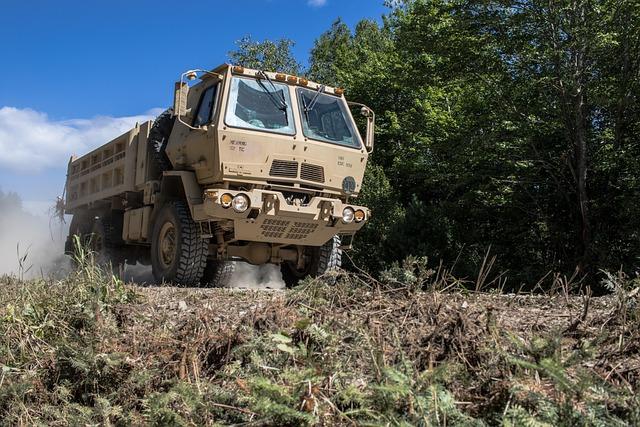
The recent escalation of US military activities near the Colombian border has raised significant concerns among local populations and governments alike. With troop deployments and joint exercises happening in proximity to Venezuela, many fear that this military posturing could inadvertently unleash a larger regional conflict. The implications for Colombia, a country that has historically faced the repercussions of foreign interventions, are particularly troubling. Key considerations include:
- Increased Militarization: The presence of US forces can lead to a cycle of heightened military readiness, potentially sparking clashes along the border.
- Humanitarian Consequences: A conflict between the US and Venezuela might force civilian populations to flee, exacerbating the already challenging humanitarian situation in Colombia.
- Political Ramifications: Increased tensions could destabilize the fragile peace process within Colombia, further complicating the nation’s internal dynamics.
Moreover, the potential for miscalculations remains an ever-present threat. Analysts warn that aggressive maneuvers could lead to misunderstandings, increasing the likelihood of armed confrontation. To illustrate the regional impact of these maneuvers, consider the following table outlining the historical context of US involvement in Latin America:
| Year | Event | Impact |
|---|---|---|
| 1954 | Guatemalan Coup | Destabilization of Central America |
| 1980s | Support for Contras in Nicaragua | Escalation of regional conflicts |
| 2019 | Failed Coup in Venezuela | Increased regional tensions |
Implications of US Aggression on Colombia’s Security and Sovereignty
The implications of U.S. military aggression towards Venezuela directly impact Colombia’s security and sovereignty, raising significant concerns within the region. As tensions escalate along the Colombia-Venezuela border, Colombia risks becoming an unwitting pawn in a larger geopolitical game. The potential for increased violence and civilian displacement has never been more pronounced, threatening to destabilize a nation already grappling with internal issues. The Colombian government must navigate a precarious situation, balancing its own security needs against the risks of entanglement in external conflicts.
Moreover, Colombia’s sovereignty is at stake, as U.S. interventionist policies may inadvertently undermine the nation’s autonomy in decision-making. The collaboration with U.S. military forces could lead to a dependence that erodes Colombia’s ability to independently address its security challenges. Key considerations include:
- Resource Allocation: Increased military funding for U.S. operations may divert resources from essential social programs in Colombia.
- Human Rights Concerns: History shows that foreign military involvement can exacerbate human rights violations.
- Diplomatic Relations: Colombia’s position in regional diplomacy might be compromised, alienating potential allies.
| Impact Area | Potential Consequence |
|---|---|
| Security | Increase in violent conflicts |
| Economy | Strain on public finances |
| Public Sentiment | Growing distrust in government |
Strategies for Colombia to Counteract Potential Spillover Effects from Venezuelan Conflict
In light of escalating tensions due to US military maneuvers targeted at Venezuela, Colombia faces serious implications stemming from the resulting humanitarian and security crises. To effectively mitigate these potential spillover effects, Colombia must implement a series of proactive strategies designed to bolster national security and support the growing influx of Venezuelan refugees. Key initiatives may include:
- Strengthening border security: Enhancing surveillance and patrolling efforts along the Colombian-Venezuelan border to prevent illegal crossings and control smuggling activities.
- Comprehensive refugee assistance programs: Expanding access to essential services such as healthcare, education, and job opportunities for Venezuelan migrants, ensuring their integration into Colombian society.
- International diplomatic engagement: Collaborating with regional and international bodies to foster diplomatic solutions and humanitarian aid to address the Venezuelan crisis.
Moreover, Colombia should consider establishing a crisis response task force focused on coordinating civilian and military resources to address immediate challenges concerning public safety and social stability. The task force could utilize strategies such as:
| Strategy | Objective |
|---|---|
| Community Liaison Programs | Fostering communication between local communities and authorities to address tensions early. |
| Crisis Preparedness Drills | Training security forces and local administrations for rapid response in case of escalations. |
| Public Awareness Campaigns | Educating citizens on conflict dynamics and promoting solidarity with migrants. |
To Wrap It Up
In conclusion, the escalating military posture of the United States towards Venezuela is not only a matter of regional concern but also poses significant implications for Colombia. As tensions rise, neighboring nations like Colombia find themselves caught in a precarious position, balancing diplomatic relations and security risks. The potential for U.S. intervention in Venezuela raises alarms about destabilization, refugee flows, and economic repercussions that could spill over the border.
As stakeholders in the region navigate these turbulent waters, it is essential to prioritize peaceful dialogue and collaborative solutions that protect human rights and regional sovereignty. The call for justice and solidarity for the people of Colombia-and their Venezuelan counterparts-becomes ever more urgent amid the backdrop of geopolitical maneuvers. As this situation unfolds, continued monitoring and reporting will be crucial to understanding the broader implications of U.S. foreign policy in Latin America and its impact on stability and justice in Colombia.

