

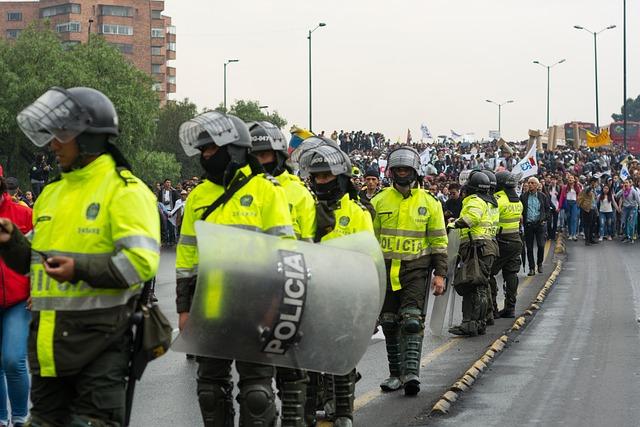
In recent months, Colombia has witnessed a seismic shift in its security strategy, moving from a period marked by aspirations for “total peace” to the implementation of hardline measures that prioritize militarization and enforcement. This dramatic pivot comes in the wake of escalating violence from armed groups and persistent challenges in the implementation of peace accords. The International Crisis Group’s latest report illuminates the complexities of this transition, examining both the risks and implications of Colombia’s turn to an iron fist approach. As the government grapples with the delicate balance between security and human rights, the question looms: will this new hard security strategy bring stability or further entrench the cycles of violence that the nation has long sought to overcome?
Shifting Strategies: The Implications of Colombia’s Hard Security Approach
Colombia’s shift from a strategy of “Total Peace” to a hard security approach marks a significant departure from its recent efforts to engage various armed groups in dialogue. This pivot is characterized by an aggressive stance against not only militant factions but also criminal enterprises that have historically contributed to instability. The implications of such a transition are manifold, including the potential for increased violence as negotiations give way to confrontation. Observers note that this strategy may lead to a cycle of retaliation, undermining the government’s legitimacy and the fragile social fabric of many communities.
The hard security approach encompasses several key tactics aimed at reasserting state control over regions plagued by violence and lawlessness. The government is expected to ramp up military operations and law enforcement initiatives, targeting prioritization of criminal networks and drug trafficking organizations. This strategy raises concerns among human rights advocates, particularly regarding potential abuses during operations. As the administration embarks on this perilous path, the balance between maintaining order and ensuring respect for civil liberties becomes a precarious tightrope. Stakeholders must critically evaluate the long-term consequences of such measures in light of Colombia’s historical context.
| Key Elements | Expected Outcomes |
|---|---|
| Increased Military Presence | Potential rise in clashes |
| Targeting Armed Groups | Heightened retaliatory violence |
| Enhanced Law Enforcement | Short-term stabilization vs. long-term unrest |
| Community Policing Initiatives | Trust-building or alienation? |
Assessing the Impact on Vulnerable Communities Amid Increased Militarization
The increased militarization in Colombia, while aimed at restoring order, poses significant risks for vulnerable communities already facing socio-economic challenges. The implementation of heavy-handed security measures has the potential to exacerbate existing inequalities and intensify the marginalization of these populations. Key concerns include:
- Heightened violence against civilians, particularly in rural areas.
- Repression of social movements and dissenting voices.
- Increased displacement due to military operations targeting armed groups.
Reports indicate that in regions where militarization has intensified, local populations are often caught in the crossfire of state forces and criminal organizations. This not only disrupts their daily lives but also undermines trust in government institutions. Additionally, access to basic services such as healthcare, education, and justice is further compromised. Aspects exacerbating the situation include:
| Factor | Impact on Vulnerable Communities |
|---|---|
| Military Presence | Increases fear and anxiety, stifling community engagement. |
| Forced Recruitment | Children and young adults being lured into armed groups for survival. |
| Resource Allocation | Misallocation funds from social programs to military initiatives. |
Paths to Stability: Recommended Alternatives to Iron-Fist Tactics in Colombia
In light of the escalating violence in Colombia, a shift towards more community-oriented and non-repressive strategies is essential for achieving long-term stability. Recommendations for alternatives to hard security measures include:
- Dialogue with At-Risk Communities: Establishing open lines of communication with marginalized groups can help address grievances and reduce tensions.
- Investment in Socioeconomic Development: Enhancing local economies through education, job training, and infrastructure projects can mitigate the appeal of criminal groups.
- Strengthening Local Governance: Empowering local authorities to take charge of security, rather than relying solely on military forces, can foster trust and legitimacy.
Additionally, leveraging resources from international partnerships can bolster efforts to promote peace. A structured approach can include:
| Partnership | Objective | Expected Outcome |
|---|---|---|
| NGOs | Implement community development programs | Reduced violence through empowerment |
| International Organizations | Support peacebuilding initiatives | Stronger communal ties and resilience |
| Academic Institutions | Conduct research on security best practices | Informed policy recommendations |
To Conclude
In conclusion, Colombia’s shift from the promise of “Total Peace” to a hardline security approach under President Gustavo Petro marks a notable pivot in the nation’s attempts to address persistent violence and insecurity. While the challenges posed by armed groups and drug trafficking remain formidable, the implications of this new strategy risk exacerbating existing tensions and undermining the very peace efforts that had begun to take root. As Colombia navigates this precarious landscape, the balance between security and human rights will be pivotal in determining the country’s path forward. Stakeholders, both domestic and international, will be closely monitoring the unfolding situation, as the choices made in the coming months will significantly impact Colombia’s stability and the well-being of its citizens. The road ahead is fraught with risks, and the pursuit of lasting peace may require a return to diplomatic solutions, dialogue, and a renewed commitment to inclusivity in addressing the underlying issues that challenge the nation.

