

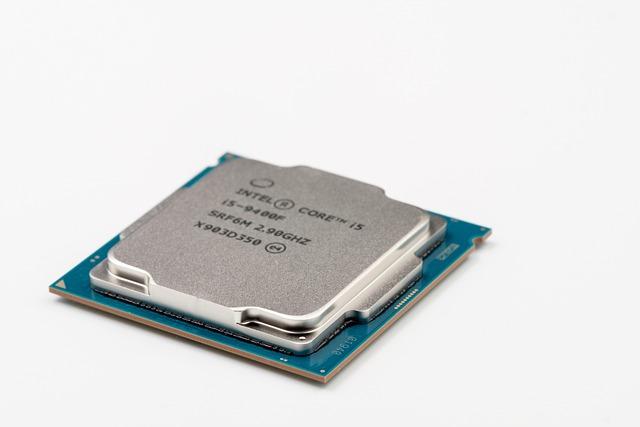
In a significant shift in its operational strategy, Intel Corporation has announced the closure of its semiconductor manufacturing plant in Costa Rica, a facility that has been a cornerstone of the company’s Latin American operations since the 1990s. The tech giant plans to transfer its business processes to Southeast Asia, marking a strategic move that highlights the ongoing global realignment of production networks in the face of changing market dynamics and competitive pressures. This decision, which could potentially affect hundreds of jobs in Costa Rica, is part of Intel’s broader efforts to streamline its manufacturing operations and bolster its presence in regions increasingly recognized for their robust supply chains and skilled workforces. As Intel navigates this transition, the implications for local economies and the semiconductor industry at large remain to be seen.
Intel’s Strategic Shift: Closing Costa Rica Plant in Favor of Southeast Asian Operations
Intel’s decision to close its plant in Costa Rica marks a significant realignment of its production strategy, one that underscores the increasing focus on Southeast Asia for semiconductor manufacturing. The transition is expected to impact several hundred jobs in Costa Rica, a country that has been a base for the tech giant since the 1990s. As the global chip demand continues to rise, Intel aims to streamline its operations and capitalize on the robust supply chain and manufacturing infrastructure present in Southeast Asian nations such as Vietnam, Malaysia, and Thailand. This move suggests a shift in global manufacturing dynamics, where lower operational costs and government incentives in these countries present a compelling case for tech behemoths like Intel.
Analysts believe that this strategic shift could enhance Intel’s competitiveness in a market that is rapidly being reshaped by other players. Key factors contributing to this decision include:
- Cost Efficiency: Southeast Asia offers lower labor costs and potential tax benefits.
- Proximity to Suppliers: A more concentrated semiconductor ecosystem means improved logistics and reduced supply chain disruptions.
- Market Access: Enhanced access to growing markets in Asia, which are becoming increasingly critical for tech companies.
To provide additional insights, the following table summarizes the key aspects of the operational changes:
| Aspect | Costa Rica Plant | Southeast Asia Operations |
|---|---|---|
| Location | Costa Rica | Vietnam, Malaysia, Thailand |
| Job Impact | Several hundred | Potential job creation |
| Manufacturing Focus | Legacy Products | Future Semiconductor Solutions |
Implications for the Costa Rican Economy and Workforce Post-Closure
The impending closure of Intel’s plant in Costa Rica signals a significant upheaval in the local economy, marked by both immediate and long-term ramifications. The withdrawal of a major employer in the region is expected to disrupt the livelihoods of thousands of workers, exacerbating unemployment rates. The loss of Intel’s operations will reduce the inflow of foreign direct investment, which has traditionally been a cornerstone of Costa Rica’s economic stability. As a result, local businesses dependent on Intel’s presence may also struggle, leading to a ripple effect through retail, services, and supply chains.
In light of these challenges, Costa Rica must adapt strategically to mitigate the impacts on its workforce and economy. Key areas of focus should include:
- Upskilling and Reskilling Programs: Developing training initiatives for displaced workers to transition into emerging sectors such as technology, renewable energy, and agriculture.
- Attracting New Investments: Promoting the country as a viable location for other tech companies in order to fill the void left by Intel.
- Diversification of the Economy: Enhancing sectors like tourism and agro-industry to reduce reliance on a single major employer.
Furthermore, the local government might consider establishing incentives to attract companies in industries that are likely to thrive in the evolving global market. A table summarizing potential sectors for investment could look like this:
| Sector | Potential Growth | Investment Opportunities |
|---|---|---|
| Renewable Energy | High | Solar and wind projects |
| Technology Startups | Medium | Software and application development |
| Agribusiness | Medium | Export-oriented agriculture |
Recommendations for Local Stakeholders to Mitigate Economic Impact and Foster Transition
In light of the impending closure of Intel’s plant in Costa Rica, local stakeholders must proactively engage in strategies to alleviate the economic repercussions. Collaboration among government agencies, businesses, and educational institutions is essential to create a seamless transition for affected workers and communities. Initiatives could include:
- Job retraining programs: Implement skill development courses tailored to the needs of emerging industries.
- Incentives for new businesses: Offer tax breaks or financial support for startups that can absorb the workforce.
- Partnerships with educational institutions: Foster programs that align curriculum with market demand.
Moreover, a comprehensive economic development strategy should be established to diversify the local economy, reducing reliance on a single industry. This could involve:
- Investment in infrastructure: Enhance transportation and communication systems to attract new businesses.
- Promotion of local entrepreneurship: Create a fund to support small businesses and innovation hubs.
- Encouragement of foreign direct investment: Market the region as an attractive destination for international companies.
| Action | Description |
|---|---|
| Job Retraining | Develop skilled workers for new job opportunities. |
| Business Incentives | Support new ventures to create jobs. |
| Infrastructure Development | Improve transportation and utilities for businesses. |
To Wrap It Up
In conclusion, Intel’s decision to shut down its manufacturing plant in Costa Rica marks a significant shift in the semiconductor giant’s operational strategy as it pivots towards Southeast Asia. This move highlights the ongoing trends within the tech industry, where companies are increasingly optimizing supply chains and leveraging regional advantages. As Costa Rica grapples with the economic implications of this transition, the impact on local employment and the broader technology landscape will be closely monitored. While Intel aims to enhance its competitiveness and efficiency in a rapidly evolving market, the long-term repercussions of this decision will unfold in the coming months. As the situation develops, stakeholders in both Costa Rica and Southeast Asia will need to adapt to the changing dynamics of the global semiconductor industry.

