

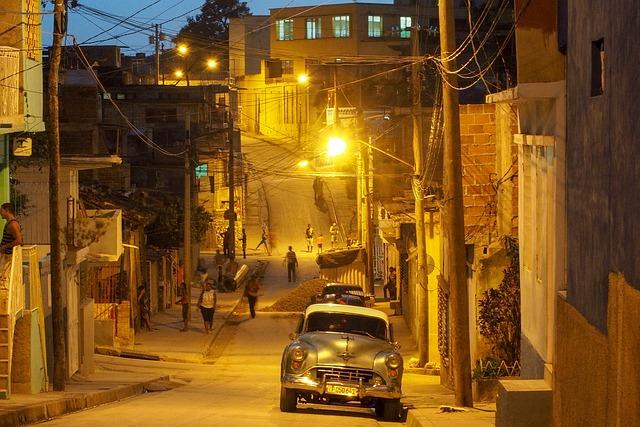
As Cuba endures the mounting impacts of the longstanding U.S. fuel blockade, a coalition of activists is mobilizing efforts to deliver much-needed aid to the island nation. The blockade, originally instituted to impede Cuba’s economy, has exacerbated shortages of essential goods and services, leaving many citizens struggling to meet their basic needs. In response, humanitarian initiatives aimed at alleviating the dire situation have gained momentum, sparking conversations about solidarity and support in the face of geopolitical tensions. This article examines the implications of the blockade on everyday life in Cuba and highlights the efforts of activists poised to provide critical assistance to those impacted by the crisis in Havana.
Activists Unite to Deliver Essential Supplies Amidst Ongoing U.S. Fuel Blockade on Cuba
The ongoing fuel blockade imposed by the U.S. government continues to exacerbate the humanitarian crisis in Cuba, leaving many without access to essential goods and services. In response, a coalition of activists and humanitarian organizations is mobilizing to deliver critical supplies directly to the island. These efforts aim to alleviate the suffering of the Cuban population, particularly in the areas of food, medicine, and hygiene products. Activists argue that the blockade not only restricts fuel but also limits access to vital resources that are necessary for everyday survival.
As part of their initiative, volunteers are organizing fundraising events and supply drives to gather necessary items. The planned shipment includes:
- Non-perishable food items: Canned goods, rice, and legumes
- Medical supplies: Bandages, antiseptics, and over-the-counter medications
- Hygiene products: Soap, shampoo, and feminine hygiene products
The movement has gained momentum and support from various communities, highlighting a growing solidarity with the Cuban people. Activists emphasize the importance of direct action in the face of governmental policies that disproportionately impact vulnerable populations.
Examining the Humanitarian Impact of the Fuel Crisis in Havana
The ongoing fuel crisis in Havana continues to exacerbate existing socio-economic challenges, with residents struggling under the weight of escalating shortages. Activists assert that the U.S. fuel blockade not only hampers supply lines but also limits access to essential services, including healthcare and transportation. While humanitarian organizations are mobilizing efforts to alleviate these pressures, many residents find themselves grappling with the daily implications of this crisis, including:
- Increased transportation costs: Public transport becomes scarce, forcing many to rely on more expensive and less reliable alternatives.
- Healthcare access limitations: Hospitals face difficulties obtaining necessary medical supplies that often rely on fuel for transport.
- Rising food prices: The cost of transportation for goods skyrockets, directly impacting food affordability and availability.
Furthermore, grassroots organizations are stepping up, demonstrating a profound sense of community solidarity as they plan to bring much-needed aid directly to those impacted. Some initiatives are focused on organizing food drives and providing fuel alternatives, while others cater to medical supply distribution that could alleviate the pressure on local clinics. A recent community meeting outlined the following key areas for intervention:
| Intervention Area | Description |
|---|---|
| Food Distribution | Coordinating delivery of staple goods to low-income neighborhoods. |
| Medical Aid | Providing essential medicine and equipment to local healthcare providers. |
| Energy Solutions | Exploring renewable energy alternatives to mitigate fuel reliance. |
Strategies for Sustained Relief Efforts: Building International Solidarity with Cuba
The ongoing fuel blockade imposed by the United States has exacerbated the challenges faced by the Cuban people, making international solidarity more crucial than ever. Activists are mobilizing efforts to provide essential supplies, focusing on grassroots initiatives that emphasize direct support from the global community. By fostering connections through cultural exchanges and shared experiences, these efforts can help break down barriers and build empathy between nations. Key strategies include:
- Establishing partnerships: Collaborating with local organizations in Cuba to ensure aid reaches those in need effectively.
- Utilizing social media: Raising awareness and funds through targeted campaigns that highlight personal stories and urgent needs.
- Organizing community events: Creating opportunities for dialogue and engagement, allowing for deeper understanding of Cuba’s situation.
- Advocating for policy change: Encouraging governments and international bodies to reconsider destructive sanctions that hinder humanitarian efforts.
In light of these strategies, a collaborative approach can also be represented through tangible goals and impacts. With an increase in international solidarity, aid efforts can be maximized in scope and effectiveness. Engaging citizens from diverse backgrounds can harness collective strength. To visualize potential impacts, a simple table illustrates how support can be channeled:
| Type of Aid | Current Needs in Cuba | Projected Impact |
|---|---|---|
| Food Supplies | Basic nutrition and essential food items | Reduction in malnutrition rates |
| Medical Assistance | Medicines and healthcare supplies | Improved healthcare outcomes |
| Educational Resources | Books and learning materials | Enhanced educational opportunities |
Wrapping Up
As the humanitarian impact of the U.S. fuel blockade on Cuba continues to deepen, activists are mobilizing to provide essential aid to the island’s beleaguered citizens. Their efforts reflect a growing recognition of the need for solidarity in the face of systemic challenges. While the blockade remains a contentious political issue with implications for U.S.-Cuban relations, those on the ground are focused on immediate relief and support. As the situation unfolds, the actions of these activists may not only help alleviate some of the struggles faced by many Cubans today but also shine a light on the broader discourse surrounding U.S. foreign policy and its humanitarian ramifications. The commitment of these individuals to bring aid to Havana embodies a profound message of resilience and compassion amidst adversity. Stay tuned to WLRN for further updates on this unfolding story and its implications for Cuba and beyond.

