

Cuba Faces Oil Shortage: What Lies Ahead?
As the sun rises over the Caribbean island of Cuba, the looming reality of an energy crisis casts a long shadow over its citizens and economy. Recent reports indicate that Cuba is grappling with a severe oil shortage, prompting urgent questions about the country’s future in light of its dwindling energy resources. Once dependent on imported oil, the nation now finds itself at a critical crossroads, grappling with the implications of depleted reserves amid shifting geopolitical landscapes. With energy prices fluctuating and supplies dwindling, how will Cuba navigate this precarious situation? This article delves into the causes of the current oil crisis, its immediate impacts on everyday life, and the potential pathways forward for a nation on the brink of transformation.
Cuba Faces Energy Crisis Amidst Oil Shortage
The current energy crisis in Cuba, driven by a severe oil shortage, has escalated the nation’s challenges amid an already struggling economy. As the government grapples with dwindling resources, the impacts are being felt across multiple sectors, particularly in transportation and electricity generation. The reliance on imported oil, mostly from allies like Venezuela, has plunged as geopolitical tensions and production issues have hindered supply lines. This unexpected turn of events has forced the Cuban authorities to explore alternative routes to sustain energy levels.
In response to the crisis, the Cuban government is implementing a range of strategies to mitigate the fallout. These efforts include:
- Rolling blackouts: Scheduled power outages are being introduced to manage electricity consumption.
- Energy conservation campaigns: Citizens are being encouraged to use less electricity through outreach programs.
- Renewable energy initiatives: An increased focus is being placed on harnessing solar and wind power to minimize reliance on fossil fuels.
| Sector | Impact of Oil Shortage |
|---|---|
| Transportation | Reduced public transport services and increased fuel costs |
| Electricity | Frequent power outages affecting homes and businesses |
| Agriculture | Supply chain disruptions impacting food production |
Impacts on Daily Life and Economic Stability in Cuba
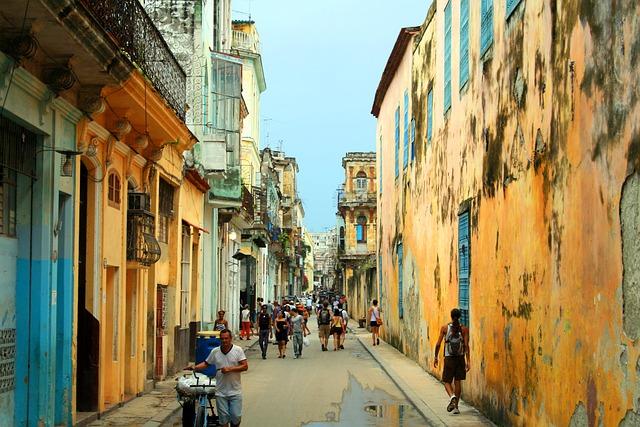
The recent depletion of oil supplies in Cuba has triggered a cascade of challenges that deeply affect the daily lives of its citizens. Energy rationing has become commonplace, leading to increased power outages and disruptions in public transport services. Many Cubans now find themselves grappling with prolonged blackouts, which hinder their ability to engage in work, education, and other essential activities. The scarcity of fuel has also forced individuals to rethink their mobility, with many resorting to walking or using bicycles to navigate the streets of Havana and beyond. This shift not only impacts personal routines but also affects local businesses reliant on consistent transportation for supplies.
The economic ramifications are glaring, as the island’s reliance on tourism and agriculture has been significantly disrupted. With transportation hindered, the flow of goods and services has slowed, amplifying inflation rates and driving up prices for basic necessities. As the government scrambles to divert resources and implement austerity measures, local markets reflect a growing rift between supply and demand. Many families are left facing the harsh reality where food shortages and inflated prices become an everyday struggle. To visualize this impact, consider the following table that outlines critical sectors and their current challenges:
| Sector | Impact | Current Challenges |
|---|---|---|
| Transport | Increased travel time | Fuel shortages |
| Tourism | Declining visitor numbers | Lack of transportation options |
| Agriculture | Supply chain disruptions | Access to markets |
| Daily Living | Rising prices | Food insecurity |
Strategies for Sustainable Energy Transition and International Support
The recent crisis in Cuba, prompted by a severe depletion of oil reserves, underlines the urgent need for the island to pivot towards sustainable energy solutions. A multi-faceted approach is essential, focusing on the integration of renewable energy sources such as solar, wind, and biomass. By prioritizing these technologies, Cuba can reduce its dependency on imported fossil fuels and enhance energy security. Key strategies include:
- Investment in Renewable Infrastructure: Developing solar farms and wind turbines can facilitate a rapid transition to clean energy.
- Research and Development: Fostering innovation in energy storage and efficiency technologies to optimize renewable energy use.
- Public-Private Partnerships: Encouraging collaboration with international companies to attract investment and expertise.
- Community Education: Raising awareness about energy conservation and renewable options at the local level.
International support will be pivotal to the success of Cuba’s energy transition. Cooperation with foreign governments and organizations can bring much-needed resources and technology. A framework for this collaboration could include:
| Type of Support | Potential Partners | Benefits |
|---|---|---|
| Financial Aid | UN, World Bank | Funding for renewable projects and infrastructure |
| Technical Assistance | Private Energy Firms | Expertise in building and maintaining renewable energy systems |
| Knowledge Exchange | Universities, NGOs | Research collaboration for sustainable energy solutions |
Implementing these strategies not only paves the way for a more resilient energy future in Cuba but also sets a precedent for other nations facing similar challenges. With collaborative efforts and a shift towards sustainability, the island can emerge as a model for green energy transitions worldwide.
Future Outlook
As Cuba grapples with the stark reality of dwindling oil reserves, the implications of this crisis extend far beyond the island’s borders. The depletion of this vital resource not only threatens the country’s energy supply but also poses significant challenges to its economic stability and the daily lives of its citizens. With rising fuel prices and increased shortages, the Cuban government faces an urgent need to explore alternative energy solutions and strengthen international partnerships.
The road ahead will require innovative strategies, resilience, and cooperation both domestically and internationally. As Cuba seeks to navigate this precarious moment in its history, the global community will be watching closely, recognizing that the resilience of the Cuban people and their government will be tested like never before. The fate of the island’s energy future hangs in the balance, prompting critical discussions about sustainability, energy independence, and the increasingly interconnected nature of global resources.

