

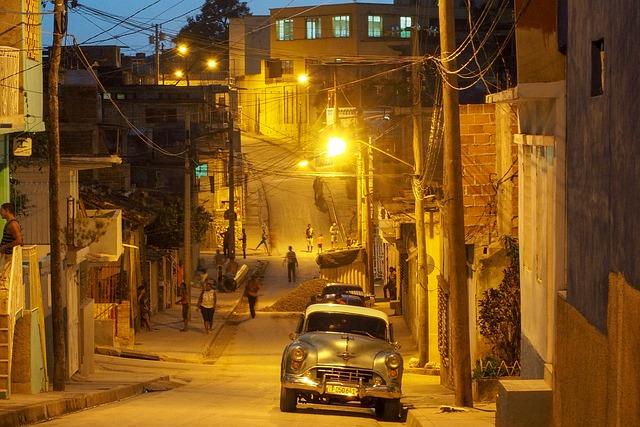
In the heart of Havana, the impacts of the U.S. economic blockade are becoming increasingly palpable as Cuba’s revolutionary generation grapples with unprecedented challenges. For over six decades, the Cuban government has held steadfast against external pressures, but dwindling resources, rising inflation, and daily hardships are testing the resolve of a populace deeply rooted in the ideals of the 1959 revolution. This report delves into the escalating frustrations of a nation at a crossroads, as the generations who fought for independence confront the stark realities of an ongoing embargo that continues to shape their lives, politics, and the very fabric of society. With mounting pressure both from within and outside, the resilience of Cuba’s revolutionary spirit is now facing a critical juncture, prompting urgent calls for change amidst a backdrop of historical adversity.
Cuba’s Revolutionary Legacy at Risk Amidst Intensified US Sanctions
The impact of the renewed economic sanctions has been profound, straining the resources and resilience of the nation’s population. The revolutionary generations, who have long upheld the ideals of sovereignty and solidarity, find themselves grappling with an increasingly untenable situation. Many Cubans are reporting heightened struggles with basic necessities such as food, medicine, and fuel, resulting in widespread frustration and despair. As a consequence, an alarming shift in public sentiment is emerging, challenging the unwavering loyalty that has historically characterized Cuba’s revolutionary spirit.
In the face of this pressure, the Cuban government has attempted to mitigate the effects of the blockade through various strategies, including encouraging foreign investments and limited market reforms. However, these efforts have been met with skepticism by both the populace and international observers. The following points illustrate key concerns among citizens regarding the current situation:
- Increased emigration: A surge in outmigration is being driven by the dire economic conditions.
- Rising discontent: Protests have erupted as frustrations mount over the state’s inability to alleviate hardships caused by external pressures.
- Social unrest: The struggle to provide for families has led to a potential crisis of legitimacy for the leadership.
As the situation evolves, the need for diplomatic engagement and potential resolution becomes increasingly urgent. The resilience of the revolutionary legacy is at a critical juncture, and any missteps could have far-reaching implications for the future of Cuba.
Impact of the US Blockade on Cuban Economy and Public Health
The prolonged US blockade has created significant obstacles for Cuba’s economy, contributing to a pervasive state of crisis that has eroded the quality of life for many Cubans. The restrictions have curtailed foreign investment, stifled access to essential goods, and exacerbated inflation. Key sectors such as agriculture and tourism, once sources of pride and economic stability, are now severely hampered by limited resources and outdated technology, creating a ripple effect that has felt throughout the economy. The following challenges are particularly noteworthy:
- Food Security: Severe shortages of food staples have led to widespread malnutrition.
- Healthcare Costs: The blockade has raised costs for medical supplies, making care more difficult to access.
- Unemployment Rates: Formal employment opportunities have dwindled, prompting an increase in the informal economy.
Public health in Cuba has also been gravely affected by the blockade, with the impact being most deeply felt in vulnerable populations. Hospitals and clinics are struggling to provide basic services as essential medical supplies become increasingly scarce due to import restrictions. The government has faced mounting pressure to allocate dwindling resources while trying to maintain standards of care. The table below illustrates key health indicators that have deteriorated as a direct result of the blockade:
| Health Indicator | 2019 | 2023 |
|---|---|---|
| Infant Mortality Rate | 4.0 per 1,000 | 4.5 per 1,000 |
| Access to Clean Water | 98% | 92% |
| Healthcare Worker Shortage | 15% | 25% |
Path Forward: Strategies for Resilience and Diplomatic Engagement
As Cuba grapples with the mounting pressures exerted by the prolonged U.S. blockade, innovative strategies must be embraced to foster resilience among its populace. Central to this effort is the enhancement of local industries, which can reduce dependency on foreign goods. The focus should be directed toward:
- Investment in agricultural self-sufficiency: Promoting local food production to alleviate food shortages and improve nutritional security.
- Strengthening small businesses: Creating an environment conducive to entrepreneurship which can drive job creation and stimulate the economy.
- Utilizing technology: Leveraging digital platforms for education and trade to connect with international markets and diversify economic opportunities.
In parallel, diplomatic engagement remains essential in mitigating the impacts of isolation. Cuba should actively pursue diplomatic channels that emphasize cooperation over confrontation. Key endeavors could include:
- Building regional alliances: Strengthening partnerships with Latin American countries to create a united front that advocates for lifting economic sanctions.
- Engaging with international organizations: Seeking support from entities like the United Nations to address humanitarian needs and promote dialogue.
- Encouraging cultural exchanges: Utilizing art, music, and education to bridge gaps with other nations, enhancing mutual understanding and solidarity.
Key Takeaways
In conclusion, the enduring impact of the U.S. blockade on Cuba has pushed the nation’s revolutionary generation to a critical juncture, where economic hardship and societal discontent are increasingly palpable. As the Cuban people continue to navigate the complexities of daily life under these restrictions, their resilience is being tested like never before. The narrative of revolution, once synonymous with hope and change, is now overshadowed by challenges that threaten to erode the very ideals it sought to uphold. As international attention remains focused on this issue, the future of Cuba may hinge on both the actions of its leadership and the geopolitical landscape beyond its shores. The perseverance of its citizens stands as a testament to their enduring spirit, but how long can it withstand the pressures of an unyielding blockade? Only time will reveal the outcome of this pivotal moment in Cuba’s history.

