

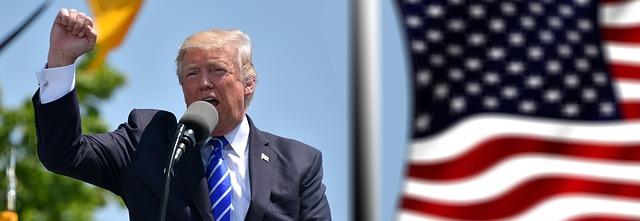
In the complex landscape of U.S.-Cuba relations, few policies have sparked as much debate and controversy as President Donald Trump’s “Maximum Pressure” campaign. Announced amidst a broader strategy to confront adversarial regimes and reshape foreign alliances, this initiative targeted Cuba with a series of stringent measures aimed at reversing the diplomatic thaw initiated during the Obama administration. From tightening economic sanctions to restricting travel, Trump’s approach has sought to isolate the Cuban government while supporting dissident voices within the country. This article delves into the origins, implementation, and implications of the Maximum Pressure campaign, exploring how it has impacted not only U.S.-Cuba relations but also the lives of everyday Cubans. As the Biden administration contemplates its own path forward, understanding the nuances of this policy is crucial in gauging the future of Cuba under its current regime and its interactions with the United States.
Understanding the Objectives Behind Trump’s Maximum Pressure Campaign on Cuba
The “Maximum Pressure” campaign initiated by the Trump administration aimed to isolate the Cuban government and undermine its authority through a range of economic and diplomatic measures. Central to this strategy was the imposition of stringent sanctions designed to stifle the flow of revenue to the Cuban regime, specifically targeting its key industries such as tourism and the export of medical services. The administration sought to leverage these restrictions to not only curb the regime’s funding but also to send a strong message in support of the Cuban people, encouraging them to rise against the government that has long been criticized for human rights abuses and suppression of dissent.
One of the defining goals of this campaign was to restore credibility to U.S. foreign policy in Latin America, especially in light of concerns around China’s growing influence in the region. The Trump administration reinforced its policy framework through a series of high-profile actions, including the reactivation of Title III of the Helms-Burton Act, which allows American citizens to sue foreign entities doing business in properties confiscated by the Cuban government. This aggressive stance was coupled with broad-based appeals to regional allies to align against Havana’s leadership. Key objectives included:
- Supporting Democratic Movements: Embolden opposition groups and civic initiatives within Cuba.
- Reducing Military Influence: Decrease the grip of the Cuban military on the economy and society.
- Increasing Accountability: Pressure the government to improve its human rights record.
Evaluating the Impact of Sanctions on the Cuban Economy and Society
The economic impact of the sanctions imposed on Cuba during Trump’s “maximum pressure” campaign has been profound and multifaceted. The restrictions intensified the already struggling Cuban economy, leading to severe shortages of essential goods and services. The knock-on effects can be seen in various sectors, notably in healthcare, where the lack of medical supplies has raised public health concerns. Notably, the sanctions have contributed to a decline in foreign investments and tourism, which are vital for Cuba’s economic recovery. As a result, the nation has faced a dramatic decrease in GDP, prompting the government to introduce austerity measures that have placed additional strain on its citizens.
Moreover, the societal repercussions of these sanctions are equally significant. The Cuban populace is experiencing heightened frustration and unrest due to rising inflation and diminished living standards. Key factors illustrating this societal impact include:
- Increased Migration: A growing number of Cubans are attempting perilous journeys to other countries in search of better opportunities.
- Public Discontent: Unrest has emerged, with demands for political reform and an end to the economic hardships exacerbated by sanctions.
- Access to Information: Sanctions have limited the availability of technology and resources critical to maintaining open channels for free expression.
| Sector | Impact of Sanctions |
|---|---|
| Healthcare | Shortages of medical supplies and equipment |
| Tourism | Decline in visitor numbers, reduced foreign exchange |
| Food Security | Increased food prices and scarcity of basic goods |
Strategies for Future U.S.-Cuba Relations Amid Evolving Diplomatic Tensions
As the landscape of U.S.-Cuba relations continues to shift, policymakers must consider a blend of diplomatic engagement and strategic pressure to navigate the complexities arising from the current political climate. Key strategies may include:
- Exploring avenues for economic cooperation, particularly in sectors like health and agriculture, that can foster goodwill.
- Utilizing cultural exchanges to build ties between the American and Cuban people, promoting understanding and common ground.
- Reevaluating travel restrictions to enhance direct engagement and people-to-people connections while maintaining a framework for accountability.
Additionally, proactive dialogue with allies in the region will be essential to form a united stance on Cuba that balances the need for human rights advances with national security concerns. A diplomatic approach could involve:
- Forming partnerships with regional organizations and neighboring countries to address mutual concerns regarding migration and trade.
- Encouraging multilateral discussions that involve Cuba in conversations about hemispheric challenges, fostering a sense of collaborative responsibility.
- Adjusting sanctions carefully, making them conditional on demonstrable political reforms rather than imposing blanket measures that could exacerbate tensions.
The Way Forward
In summary, the Trump administration’s “Maximum Pressure” campaign against Cuba has dramatically reshaped U.S.-Cuba relations, emphasizing a hardline approach that seeks to isolate the Cuban regime while promoting democratic reforms on the island. By reinstating restrictive measures and altering engagement strategies, the administration aimed to leverage economic and political pressure to drive change. As the implications of these policies continue to unfold, the future of diplomatic relations hangs in the balance, awaiting the next administration’s approach. Understanding the nuances and outcomes of this campaign is crucial, not only for policymakers but also for Cubans who seek a path toward a more open and democratic society. The ongoing discourse around U.S. policy towards Cuba remains a pivotal topic in international relations, highlighting the complex interplay of diplomacy, human rights, and regional stability.

