

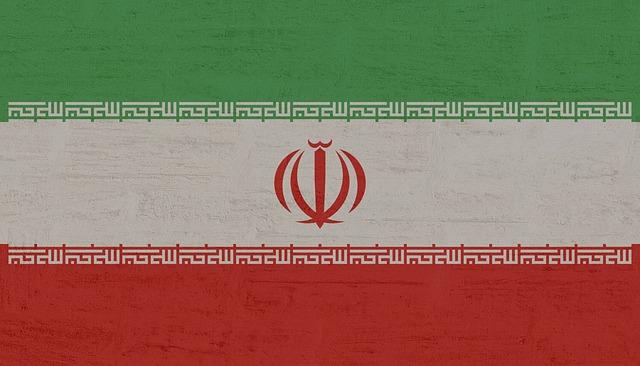
In a striking response to the rhetoric of U.S. President Donald Trump’s recent speech at the United Nations General Assembly, delegations from Iran and Cuba left the hall in protest. The incident, which unfolded amid heightened tensions between the United States and these nations, underscores the fractious nature of contemporary international diplomacy. As Trump reaffirmed his administration’s hardline stance on issues related to national security and foreign policy, the departure of the Iranian and Cuban representatives not only highlighted their discontent with U.S. assertions but also emphasized the deepening ideological rifts that characterize global relations today. This article delves into the implications of this diplomatic dissension, the historical context of U.S.-Iran and U.S.-Cuba relations, and the potential ramifications for future international engagements.
Iran and Cuba’s Diplomatic Reactions to Trump’s UN Address
The diplomatic fallout from Donald Trump’s address at the United Nations was palpable, particularly for delegations from Iran and Cuba. Representatives from both nations expressed visible discontent with the U.S. President’s rhetoric, which they deemed provocative and counterproductive to international diplomacy. The Iranian delegation highlighted the following key points in their response:
- Rejection of Sanctions: Iran condemned Trump’s claims regarding economic sanctions, stating they are detrimental to global peace.
- Support for Multilateralism: Emphasizing cooperation, Iran reiterated its commitment to multilateral diplomacy and dialogue.
- Defense of Sovereignty: The Iranian representatives affirmed that threats against their nation undermine international norms.
Meanwhile, Cuba’s delegation mirrored similar sentiments, criticizing Trump’s emphasis on unilateralism and interventionist policies. Key elements of their response included:
- Call for Respect: Cuban officials urged for respect for national sovereignty and non-interference in domestic matters.
- Condemnation of Hostility: The Cuban delegation denounced Trump’s hostile remarks regarding socialism and economic systems.
- Advocacy for Peace: They reiterated their commitment to dialogue and peaceful coexistence among nations.
| Country | Key Reaction |
|---|---|
| Iran | Rejection of Sanctions and Call for Multilateralism |
| Cuba | Condemnation of Unilateralism and Advocacy for Peace |
Analyzing the Implications of Departure on International Relations
The abrupt exit of Iranian and Cuban delegations during the recent UN speech delivered by former President Trump underscores a significant shift in the dynamics of international diplomacy. This incident not only highlights the profound divisions between the United States and these nations, but also raises questions about the effectiveness of current diplomatic approaches. By walking out, these delegations signaled their discontent with the rhetoric employed, which they perceived as confrontational and dismissive. Such a move could indicate a recalibration of diplomatic strategies as countries seek to navigate an increasingly polarized global landscape.
Furthermore, the implications of this departure extend beyond mere diplomatic theatrics; they may reshape alliances and influence ongoing geopolitical dialogues. The reactions from various global actors could lead to:
- Strengthened Ties: Nations like Iran and Cuba may deepen their collaboration as they respond collectively to perceived aggressions from the U.S.
- Shifting Alliances: Vocal condemnation of U.S. policies could attract the support of other nations with shared grievances, fostering a united front against American influence.
- Domestic Backlash: The event may prompt calls within the U.S. for a reassessment of approaches towards dealings with adversarial countries.
Strategies for Enhanced Dialogue in Tense Geopolitical Landscapes
In the wake of heightened tensions following President Trump’s recent speech at the United Nations, diplomatic circles are urged to adopt strategies that facilitate constructive dialogue and address mutual grievances. Engagement through multi-level diplomacy remains pivotal; nations should consider involving not just heads of state but also lower-level diplomats and experts who can foster more nuanced conversations. Key approaches include:
- Establishing back channels: Informal communications can often lead to breakthroughs that formal negotiations might stymie.
- Inclusive dialogue frameworks: Creating platforms that engage a broader range of stakeholders-civil society, private sector, and academia-to contribute to discussions.
- Utilizing technology: Virtual platforms can facilitate real-time dialogue, allowing for more flexible engagement across borders.
Acknowledging the unique historical and socio-political contexts of each nation is essential for effective dialogue. Cultural diplomacy serves as a valuable tool that encourages understanding through shared values and narratives. When nations like Iran and Cuba exit high-stakes forums abruptly, it highlights the urgency of developing adaptive communication strategies that prioritize empathy and mutual respect. Important tactics to consider include:
| Strategy | Goal |
|---|---|
| Joint social initiatives | Foster goodwill and shared interests |
| Economic cooperation agreements | Build interdependencies that reduce conflict |
| Regular cultural exchanges | Enhance mutual understanding and trust |
By embracing these strategies, nations can not only mitigate current tensions but also construct a framework for ongoing dialogue, paving the way for more durable peace in the face of geopolitical challenges. As seen in recent events, the need to foster communication pathways is more critical than ever.
In Retrospect
In conclusion, the departure of Iranian and Cuban delegations during President Trump’s speech at the United Nations highlights the growing diplomatic rifts and tensions between the U.S. and these nations. As both countries face increased scrutiny and sanctions from Washington, their walkout signals strong disapproval of the current administration’s foreign policy approach. The incident underscores the challenges of dialogue and diplomacy in an already polarized global environment, raising questions about the future of international relations and the effectiveness of the United Nations as a platform for constructive discourse. As the repercussions of Trump’s remarks become clear, the international community will be watching closely to see how these developments unfold in the coming months.

