

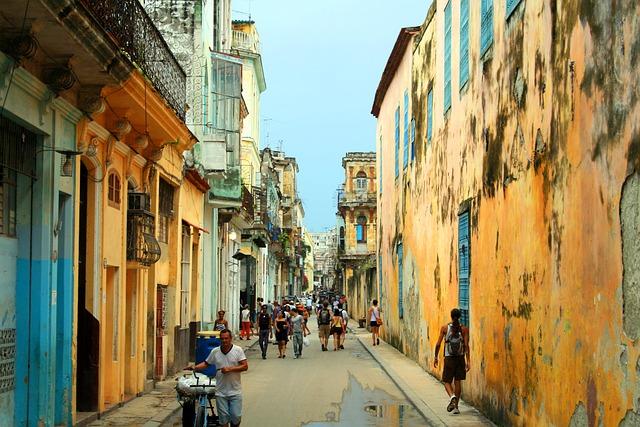
As Cuba approaches a pivotal moment in its political landscape, voices within the Cuban-American community are increasingly optimistic about the prospect of regime change on the island. Jorge Mas, chairman of the Cuban American National Foundation (CANF), has emerged as a prominent advocate for this shift, recently stating that significant changes could be on the horizon within the next few months. In an exclusive interview with CNBC, Mas outlined his insights on the evolving socio-political climate in Cuba and the role of international pressure in potentially reshaping the governance of the island nation. As the Cuban populace grapples with ongoing economic challenges and a demand for greater freedoms, the global community watches closely to see if the winds of change are indeed blowing in favor of a new era for Cuba.
Impending Shift in Cuban Leadership Raises Hopes for Reform
The political landscape in Cuba is on the brink of transformation as various indicators suggest an imminent shift in leadership. With economic struggles plaguing the country and increasing external pressure, hopes for reform have begun to flourish among the populace and the Cuban diaspora. Observers point to the growing unrest fueled by shortages of food and essential goods, as well as discontent with the government’s handling of the pandemic, as potential catalysts for change. Analysts believe that these factors could pave the way for a more open and democratic governance structure, especially amidst the cries for change resonating throughout the region.
As potential successors to the current leadership emerge, many stakeholders are looking closely at the possibilities for reform. Key figures from both the political and economic spheres are being discussed, with emphasis on those proposing responsive governance and market-oriented policies. In light of this anticipated transition, experts warn of the need for a structured transition process to ensure stability. Major touchpoints to monitor during this period include:
- International Relations: The impact of diplomatic negotiations, especially with the U.S.
- Public Sentiment: Engagement levels of the Cuban citizens in the reform process.
- Economic Policies: Plans for economic liberalization and potential foreign investments.
Jorge Mas of CANF Outlines Key Factors Influencing Regime Change
In a recent discussion, Jorge Mas, the prominent figure of the Cuban American National Foundation (CANF), emphasized several critical elements that are expected to accelerate regime change in Cuba within the coming months. Among these factors, he highlighted the extensive economic pressure exerted by international sanctions and the growing dissatisfaction among the Cuban populace. Mas pointed out that the social media revolution is playing a pivotal role in unifying voices of dissent, making it increasingly difficult for the current regime to suppress calls for change.
Mas also drew attention to the importance of international support, particularly from the United States and regional allies, in fostering a conducive environment for potential transition. He remarked that strong diplomatic ties and tangible assistance to the Cuban people can bolster their efforts towards achieving democracy. The synergy of these factors creates a robust foundation for a transformative movement, as highlighted in the discussions of economic sanctions, citizen activism, and political solidarity.
Recommendations for Engaging with a Potentially New Cuba
As the political climate in Cuba appears to be on the cusp of transformation, stakeholders and interested parties should approach engagement with caution and strategic foresight. Key considerations include:
- Understanding Local Sentiments: Prioritize listening to the voices of the Cuban people, capturing their aspirations and concerns regarding a post-regime Cuba.
- Building Alliances: Foster relationships with local organizations and civil society groups who can provide essential insights into the evolving landscape.
- Sustainable Development Plans: Focus on initiatives that prioritize economic and social sustainability to ensure long-term benefits for Cuba’s citizens.
- Nuanced Diplomatic Communication: Maintain a diplomatic approach that emphasizes collaboration, rather than condescension or overt influence.
Moreover, potential investors and policymakers must navigate the complexities of Cuba’s political and economic environment with agility. Consider establishing frameworks that emphasize transparency and responsibility in governance. The following table outlines potential sectors ripe for engagement and the corresponding opportunities they present:
| Sector | Opportunities |
|---|---|
| Tourism | Development of sustainable tourism initiatives that respect local culture. |
| Agriculture | Investment in sustainable farming practices to improve local food production. |
| Technology | Partnering with local startups to foster innovation while promoting digital literacy. |
| Healthcare | Enhancing healthcare systems through partnerships and investments in infrastructure. |
Final Thoughts
In conclusion, the prospect of regime change in Cuba remains a topic of significant interest and debate, especially as articulated by Jorge Mas of the Cuban American National Foundation. As conditions on the island evolve and external pressures mount, the coming months could prove pivotal in determining Cuba’s political trajectory. Observers around the world will be closely monitoring the situation, as not only the Cuban people but also the broader geopolitical landscape stand to be affected by the outcomes of these unfolding events. As we await further developments, the call for democratic reforms and the aspirations of many Cubans for freedom and opportunity remain at the forefront of this complex narrative.

