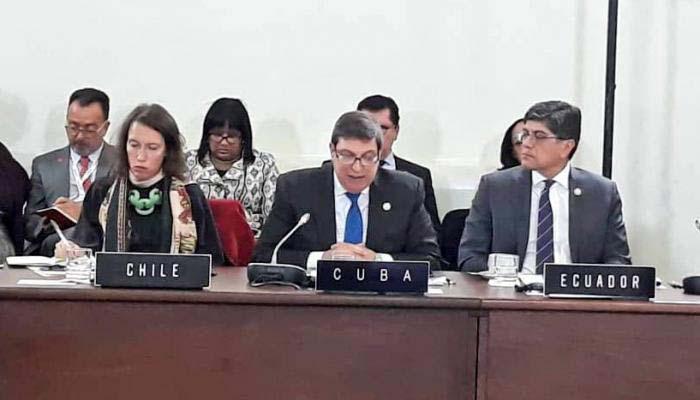
Reassessing Cuba’s Role in North America: A Geopolitical Viewpoint
In today’s rapidly changing geopolitical landscape,the debate over Cuba’s potential integration with North America has become increasingly relevant. Esteemed geopolitical expert Peter Zeihan has provided insights into this complex issue, examining the ramifications such a shift could have for both Cuba and the wider North American region. As conversations about economic partnerships, political relationships, and cultural interactions gain momentum, it is essential to analyze Cuba’s strategic significance and the past intricacies that shape U.S.-Cuba relations. This article explores Zeihan’s perspectives while evaluating the possible advantages and obstacles of a closer relationship between Cuba and its northern counterparts—an exchange that could substantially alter regional dynamics.
Cuba in the North American Context: A Geopolitical Exploration
Cuba holds a crucial geographic position within the Caribbean Sea, often regarded as a vital link between North America and Latin America. This distinctive location grants the island considerable strategic value, notably concerning trade routes and military logistics. Its proximity to the United States positions Cuba as an influential player in North American geopolitics, affecting trade regulations, migration trends, and security issues. As countries confront global trade challenges and strive for regional stability, discussions about deeper integration between Cuba and its northern neighbors have gained prominence.
Several key factors contribute to ongoing discussions regarding Cuba’s potential alignment with North America:
- Economic Growth: The possibility of increased foreign investment and tourism could provide a substantial boost to Cuba’s economy.
- Security Cooperation: Establishing formal alliances may enhance regional security against organized crime syndicates and drug trafficking networks.
- Cultural Interactions: Strengthened connections might enrich cultural exchanges between Cubans and Americans,promoting greater understanding.
| Benefits | Difficulties |
|---|---|
| Burgeoning trade prospects | Political opposition from various factions |
| Sustained infrastructure development | Sovereignty concerns among citizens |
| A broader access to education & healthcare services | Potential backlash against cultural shifts |
Economic Advantages of Integration: Growth Prospects Ahead
The economic implications of integrating Cuba with North America are profound; they present opportunities for sustainable growth across multiple sectors. By tapping into an expanded market base,there is potential for notable increases in foreign direct investment that would lead to job creation alongside innovation initiatives.Easing trade restrictions could open up new avenues for Cuban exports—especially within underdeveloped sectors like agriculture or tourism—and attract much-needed capital infusion along with advanced technologies from neighboring countries which would modernize infrastructure while enhancing productivity across various industries.
The following are key areas where economic progress through integration might potentially be realized:
- Booming Trade: Reduced tariffs coupled withbroadened trading agreements could facilitate smoother exchanges of goods/services .
- Job Creation : New industries might emerge , leading towards lower unemployment rates & improved living conditions .
- Tourism Expansion : Enhanced travel initiatives can draw millions more visitors , further invigorating local economies .
- Technological Investment : Collaborations with firms from Northern regions can drive technological advancements within Cuban enterprises .
An illustrative example showcasing this potential impact can be seen below :
Industry Sector Current GDP Contribution Projected GDP Contribution Post Integration Agriculture 4% 10% Tourism 10% 20% Manufacturing 15%25% Obstacles And Solutions : Overcoming Political/Social Barriers To Integration
The idea of integrating Cubans into broader Northern frameworks presents numerous<strong political challenges, as well as social hurdles.< Strong On one hand , there exists deep-rooted historical animosity stemming largely from decades-long embargoes , diplomatic isolation efforts & ideological differences . The current socialist government faces resistance primarily coming from conservative groups based out West which complicates any meaningful dialog surrounding unification efforts.Furthermore internal divisions exist among Cubans themselves regarding reform versus loyalty towards existing systems making negotiations even trickier.
To tackle these issues effectively requires adopting multi-faceted strategies aimed at facilitating successful integrations such as :
- <Strong>Diplomatic Engagement</Strong>- Opening communication channels between leaders on both sides fostering mutual understanding.
- <Li><> ; Gradual Economic Reforms</ Strong>> ; – Encouraging selective market-oriented policies aligning closely w/North American interests.
A viable solution might involve establishing joint economic frameworks encouraging investments while ensuring protections remain intact for workers/industries involved.Here’s an overview outlining collaborative areas potentially mitigating risks associated w/integration :
Area Of Collaboration Potential Benefits < Trade Agreements Stimulate growth/job creation. < Cultural Exchange Programs Promote solidarity amongst populations. < Infrastructure Investments Improve connectivity/accessibility throughout regions. Conclusion Â
The discussion surrounding whether or not integrate Cubans into larger Northern frameworks remains contentious filled both opportunities yet significant challenges ahead.As highlighted by analysts like Peter Zeihan navigating through historical/economic/cultural complexities inherent within this process will require careful consideration.The future alignment choices made by Cuban authorities will not only influence diplomatic relations but also weigh heavily upon strategic interests held by US neighbors alike.Watching closely how events unfold over next few years will undoubtedly shape Caribbean politics impacting overall stability across entire continent moving forward.The question lingers though what path ultimately awaits our friends down south?
<Li><Strong>Public Awareness Campaigns</Strong>- Educating citizens about pros/cons associated w/integration efforts.
ADVERTISEMENTExperience the Marvels of the Quran: An Unforgettable Exhibition Awaits in Guadeloupe!
Step into a mesmerizing realm at the "Quran Exhibition Guadeloupe - Al Hakam," where the rich tapestry of Islamic art...
Read more