

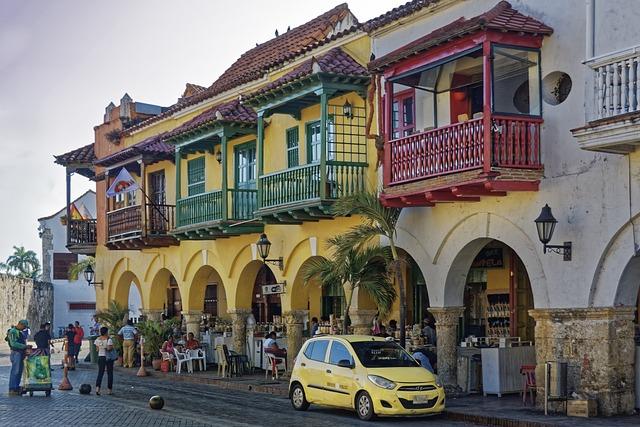
Title: Unpacking the Colonial Legacy: Economic Unrest in the French Caribbean
As the islands of the French Caribbean grapple with escalating economic discontent, a profound historical context emerges, one that is deeply rooted in centuries of colonial exploitation. The recent wave of protests and calls for economic justice in Martinique and Guadeloupe serve as stark reminders that the shadows of colonialism continue to loom large in the lives of its residents. Economic disparities, high unemployment, and inadequate public services have contributed to widespread frustration, prompting citizens to demand not only immediate relief but also a reckoning with the enduring legacies of a colonial past. This article explores the complex interplay between this historical context and the current economic unrest, illuminating how yesterday’s injustices continue to reverberate through contemporary social and economic landscapes in the French Caribbean.
Understanding the Historical Roots of Economic Disparity in the French Caribbean
The historical context of economic disparity in the French Caribbean is deeply rooted in its colonial past, where exploitative practices laid the groundwork for contemporary inequalities. Colonial plantations, primarily focused on sugar and coffee production, created a system reliant on enslaved labor, stripping indigenous populations of autonomy and often leading to forced migration from Africa. The wealth generated from these plantations flowed primarily back to France, enriching a handful of colonial elites while leaving the local populace impoverished, both during and long after the abolition of slavery. This created a lasting economic structure characterized by unequal land distribution, limited access to education, and disenfranchisement of the majority, consequences that persist to this day.
Moreover, the post-colonial landscape has been shaped by policies that have often favored metropolitan interests over local needs. Many local economies remain heavily dependent on tourism and external remittances, which contribute to their vulnerability. Current economic strategies appear to reflect a continuation of colonial practices, with an emphasis on exporting raw materials rather than developing diversified economies. The legacy of these early economic frameworks is evident in high unemployment rates, lack of investment in local industries, and ongoing social unrest. Understanding these historical roots is crucial for addressing the systemic issues that fuel economic disparity in the region today.
Examining the Social and Cultural Impacts of Colonialism on Modern Economies
The colonial legacy in the French Caribbean continues to reverberate through its modern economies, manifesting in significant social and cultural disparities. Several critical factors contribute to this enduring impact, including the concentration of wealth in the hands of a few former colonial families, widespread unemployment, and a lack of investment in education and infrastructure in certain regions. The region’s economic structures remain profoundly influenced by historical exploitation, leading to systemic inequality and a persistent struggle for basic rights among marginalized communities. Additionally, the influence of colonial language and culture complicates identity, often resulting in a sense of alienation among local populations who grapple with their heritage while integrating into a globalized economy.
To better understand the economic conditions exacerbated by this history, examining the current labor market is essential. A comparison of unemployment rates across different French Caribbean territories highlights stark disparities, reflecting the uneven development fostered by colonial practices. The following table outlines key economic indicators across three territories, illustrating the lingering effects of colonialism on labor dynamics:
| Territory | Unemployment Rate (%) | Median Income (USD) |
|---|---|---|
| Guadeloupe | 23.2 | 21,500 |
| Martinique | 20.5 | 20,000 |
| Saint-Martin | 30.1 | 18,500 |
The statistics reveal that regions like Saint-Martin face particularly acute challenges, exacerbated by limited access to resources and economic opportunities. This economic unrest, underscored by the historical frame of colonial exploitation, fuels social discontent and calls for greater autonomy and equitable resource distribution. The legacy of colonialism in the French Caribbean is not just a matter of historical interest; it remains a pervasive influence shaping contemporary struggles for justice and economic stability.
Proposing Pathways for Economic Reform and Sustainable Development in the Region
The persistent economic struggles in the French Caribbean stem from a web of historical injustices and colonial remnants. To foster sustainable development, it is essential to advocate for a comprehensive economic reform that addresses the essential needs of the population while promoting resilience against global economic fluctuations. Key strategies may include:
- Investment in Education: Equipping the local workforce with the necessary skills to compete in a modern economy.
- Promotion of Local Enterprises: Supporting small and medium-sized enterprises (SMEs) to reduce dependency on external economies.
- Sustainable Tourism Practices: Developing eco-friendly tourism initiatives that respect cultural heritage and the environment.
- Green Infrastructure Development: Investing in renewable energy projects to create jobs and reduce carbon footprints.
Moreover, establishing collaborative frameworks between local governments, civil society, and international organizations can pave the way for institutional reforms. A focused approach on inclusive policy-making can ensure that voices from marginalized communities are heard in the economic discourse. An illustrative comparison of current vs. proposed governance structures may clearly indicate the benefits of joint participatory models:
| Current Governance Structure | Proposed Collaborative Model |
|---|---|
| Centralized decision-making | Decentralized and participatory governance |
| Limited stakeholder engagement | Broad community involvement |
| Short-term policies | Long-term sustainable strategies |
The Conclusion
In conclusion, the economic unrest in the French Caribbean is not merely a contemporary issue but rather an intricate tapestry woven from centuries of colonial legacy. As communities grapple with the dual burdens of rising living costs and deep-rooted social inequities, it becomes increasingly clear that understanding this unrest requires a historical lens. The echoes of colonialism resonate in today’s economic disparities, influencing both policy decisions and public sentiment across the islands.
To address the challenges faced by these territories, it is imperative to acknowledge their historical context and advocate for comprehensive reforms that prioritize equity and sustainability. Only by confronting the colonial past can the French Caribbean carve out a more just future, one that empowers its citizens and fosters resilience against the tumultuous tides of economic change. The unfolding situation serves as a crucial reminder that history remains a potent force in shaping current realities, urging stakeholders to engage in necessary dialogue and action for meaningful progress.

