

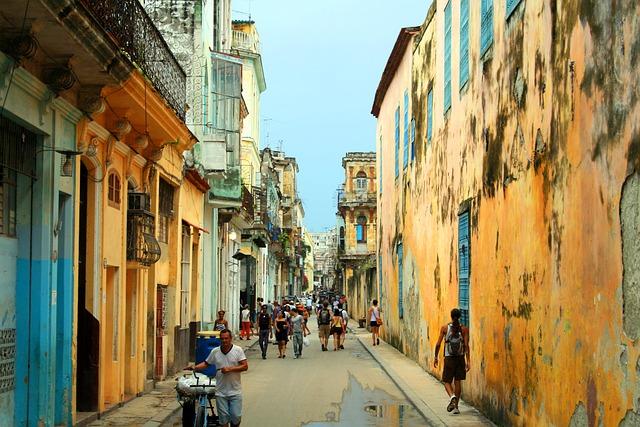
Introduction:
In a significant escalation of U.S. policy towards Cuba, the Biden administration has intensified sanctions against the island nation, coinciding with a troubling increase in the detention of American citizens returning from Cuba. This shift marks a pivotal moment in U.S.-Cuba relations, as authorities have raised concerns about potential violations of U.S. laws amid rising tensions. The measures come at a time when the Cuban economy continues to struggle, and the humanitarian situation on the island remains dire, prompting criticism from various advocacy groups. As the U.S. grapples with its stance on Cuba, many Americans now find themselves navigating an increasingly fraught landscape of travel and trade, raising questions about the future of diplomatic engagement between the two nations.
U.S. Escalates Sanctions Against Cuba Amid Rising Tensions
The United States has intensified its sanctions against Cuba, a move that has drawn significant attention amid heightened political tensions and social unrest on the island. These actions include restricting financial transactions, limiting exports, and increasing surveillance on individuals connected to the Cuban government. The U.S. administration argues that these measures are aimed at promoting democracy and human rights in Cuba, but critics claim they disproportionately affect the Cuban populace, exacerbating an already challenging economic situation. The recent round of sanctions has led to greater scrutiny of both travelers to and from Cuba, with numerous reports emerging of Americans being detained when returning to the U.S. after visiting the island.
In light of these developments, several key factors have emerged that illustrate the broader implications of the current sanctions regime:
- Impact on Tourism: Stricter regulations discourage American tourists, limiting vital economic relief for Cubans dependent on tourism revenue.
- Increased Detentions: Reports of U.S. citizens being questioned or detained upon return raise concerns about personal rights and border security.
- International Relations: Tensions between the U.S. and other nations engaging with Cuba have begun to surface, complicating diplomatic efforts.
| Sanction Type | Description | Target |
|---|---|---|
| Financial Restrictions | Limits on money transfers to Cuba | Individuals and businesses |
| Export Controls | Prohibitions on certain goods | Cuban government and military |
| Travel Limitations | Increased scrutiny of travelers | U.S. citizens visiting Cuba |
Impact on American Travelers: Understanding Risks and Legal Ramifications
As U.S. sanctions against Cuba increase, American travelers must be aware of the heightened scrutiny and potential risks associated with their journeys to the island. The government has intensified its enforcement, leading to more detentions of returning Americans who may not fully understand the legal implications of their travels. Key factors influencing this situation include:
- Increased Detentions: Travelers are facing more frequent interrogations upon re-entry to the U.S.
- Complex Regulations: The legal framework governing travel to Cuba is intricate and often misunderstood.
- Heightened Surveillance: The U.S. government has ramped up monitoring efforts, which can lead to unintended consequences for travelers.
It’s essential for travelers to familiarize themselves with the current laws and regulations before embarking on their trip. Failure to comply with the new restrictions can result in severe penalties, including fines and legal repercussions. Below is a brief overview of potential risks associated with travel to Cuba:
| Risk | Potential Consequences |
|---|---|
| Violation of Sanctions | Monetary fines, criminal charges |
| Documentation Issues | Detention at border, difficulty re-entering the U.S. |
| Misunderstanding Regulations | Loss of travel privileges, legal action |
Navigating the New Normal: Recommendations for Safe Travel to Cuba
As U.S. sanctions on Cuba tighten amidst increasing detentions of Americans returning from the island, travelers must exercise heightened caution and awareness. Before planning your trip, it is essential to research the current regulations that govern travel to Cuba, especially regarding monetary transactions, permissible items, and the overarching laws governing American citizens. Consider registering your travel plans with the U.S. State Department for added safety and support. It’s advised to keep a close eye on travel advisories and adhere to specific guidelines to avoid any legal complications while overseas.
To ensure a safe and fulfilling travel experience, consider the following recommendations:
- Stay Informed: Regularly check the U.S. Department of Treasury’s Office of Foreign Assets Control (OFAC) for updates on travel restrictions and regulations regarding Cuba.
- Cultural Sensitivity: Engage positively with local customs and traditions to foster goodwill and understanding.
- Medical Preparedness: Ensure you have necessary vaccinations and consider travel insurance that covers health-related incidents abroad.
- Document Safeguards: Back up important documents, such as your passport and insurance details, both digitally and physically.
Additionally, we’ve summarized the essential aspects of preparation in the following table:
| Travel Preparation Factor | Action Required |
|---|---|
| Travel Advisory Check | Review U.S. State Department advisories before departure. |
| Health Precautions | Get necessary vaccinations and carry medications. |
| Legal Compliance | Understand the categories for legal travel to Cuba. |
| Local Interaction | Learn basic Spanish phrases and cultural practices. |
Closing Remarks
In conclusion, the recent increase in U.S. sanctions against Cuba and the heightened scrutiny of American travelers returning from the island mark a significant shift in U.S.-Cuba relations. These developments reflect ongoing tensions and a commitment from U.S. authorities to enforce existing policies aimed at curbing what they perceive as illicit activities linked to the Cuban government. As the situation unfolds, it will be crucial for Americans traveling to Cuba to stay informed of the evolving legal landscape and the potential repercussions they may face upon re-entry. Global observers will be watching closely as these measures develop, assessing their impact not only on diplomatic ties but also on the lives of individuals caught in the midst of this geopolitical struggle.

