

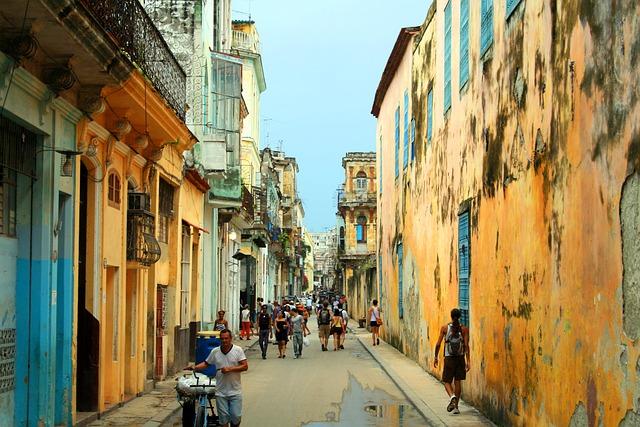
In a significant development at the United Nations, the General Assembly has once again called for the end of the longstanding U.S. embargo on Cuba, a resolution underscoring a shifting landscape of international alliances. During a session marked by a growing consensus among member states, representatives underscored the economic and humanitarian impacts of the embargo on the Cuban people, while reflecting broader geopolitical shifts that have emerged in recent years. This latest resolution marks the twenty-ninth consecutive year the Assembly has voted to condemn the U.S. policy, highlighting a persistent divide between the United States and many of its allies on issues related to Cuba. As global dynamics evolve, the call for an end to the embargo raises questions about the future of U.S.-Cuba relations and the implications for regional cooperation in the Americas.
Global Unity Grows as UN Assembly Calls for Lift of US Embargo on Cuba
The recent resolution passed by the United Nations General Assembly signifies a notable shift in global sentiment regarding the longstanding U.S. embargo on Cuba. In a climate characterized by increasing calls for international solidarity, member states have voiced overwhelming support for lifting restrictions that many argue stifle economic growth and human development in Cuba. Key points raised during the assembly included:
- The impact on healthcare: The embargo has hindered access to essential medical supplies and technology.
- The effects on education: Restrictions have limited Cuba’s ability to enhance its educational infrastructure.
- Cultural exchange limitations: The barriers impede artistic collaboration and cultural dialogue between Cuba and other nations.
This renewed call for action reflects shifting alliances as countries increasingly advocate for a multilateral approach to diplomacy, emphasizing dialogue over sanctions. The assembly’s resolution serves not only as a pivotal moment in U.S.-Cuba relations but also as a broader statement against unilateral coercive measures in international relations. The voting outcomes highlighted a clear divide, which can be summarized as follows:
| Vote Category | Number of Countries |
|---|---|
| In Favor | 185 |
| Against | 2 |
| Abstained | 3 |
Impact of the US Embargo: Economic and Humanitarian Toll on Cuban Society
The US embargo, in place since the early 1960s, has profoundly shaped Cuban society, causing significant economic strains and widespread humanitarian challenges. The restrictions have led to a severe lack of resources, impacting various sectors, including healthcare, education, and food supply. Essential goods, from medicines to basic food products, are now limited, forcing families to navigate an environment of scarcity. As a result, many Cubans face daily struggles to meet their fundamental needs, leading to increased poverty and social unrest.
Moreover, the embargo has hindered Cuba’s ability to engage in international trade, isolating the nation economically and politically. The financial constraints not only impede the growth of local businesses but also contribute to a brain drain, as skilled professionals seek opportunities abroad. The following table illustrates the key sectors affected by the embargo:
| Sector | Impact |
|---|---|
| Healthcare | Lack of medical supplies and equipment |
| Food Industry | Severe food shortages |
| Education | Reduced access to educational materials |
| Technology | Limited access to modern technology |
Recent sessions at the UN General Assembly have resulted in a collective call for the end of the embargo, highlighting its detrimental effects on the Cuban population. The plea reflects a growing consensus among nations that the humanitarian costs of such sanctions outweigh any perceived political benefits. The international community’s growing support signifies a pivotal shift in addressing the longstanding grievances experienced by the Cuban people, emphasizing the need for constructive dialogue and cooperation rather than isolation.
Recommendations for Diplomatic Engagement: A Path Forward for US-Cuba Relations
To foster a more constructive relationship between the United States and Cuba, it is essential to establish a multi-faceted approach that goes beyond rhetoric. Diplomatic dialogue must be prioritized, focusing on shared interests in areas such as public health, environmental protection, and disaster response. Engagement can be further enhanced through initiatives that promote cultural exchanges and educational programs, allowing both nations to understand each other’s perspectives better. This soft diplomacy could lead to a gradual easing of tensions, creating an environment ripe for broader discussions on trade and economic cooperation.
Moreover, a commitment to collaborative projects can serve as a foundation for mutual respect and understanding. These projects should target key areas like:
- Joint public health initiatives to combat diseases like COVID-19.
- Environmental partnerships focusing on climate change impacts in the Caribbean.
- Tourism cooperation to promote sustainable travel and cultural exchanges.
Furthermore, maintaining open communication channels, including regular high-level talks, can help to reduce misunderstandings and build trust. By prioritizing these strategic actions, both nations can work towards a more positive and productive relationship that benefits their citizens and contributes to regional stability.
Closing Remarks
In conclusion, the recent resolution passed by the United Nations General Assembly underscores the growing international consensus calling for an end to the long-standing U.S. embargo on Cuba. As geopolitical dynamics continue to evolve, the shifting alliances among member states highlight the complexities of diplomatic relations and the humanitarian implications of economic sanctions. The Assembly’s decision not only reflects the voices of nations advocating for Cuba’s economic independence but also marks a significant moment in the dialogue surrounding U.S.-Cuba relations. As discussions continue at the international level, the future of the embargo remains uncertain, with potential implications for both Cuban society and U.S. foreign policy. The call for change, resonating from various corners of the globe, serves as a reminder of the intricate interplay between national interests and the universal pursuit of human rights.

