

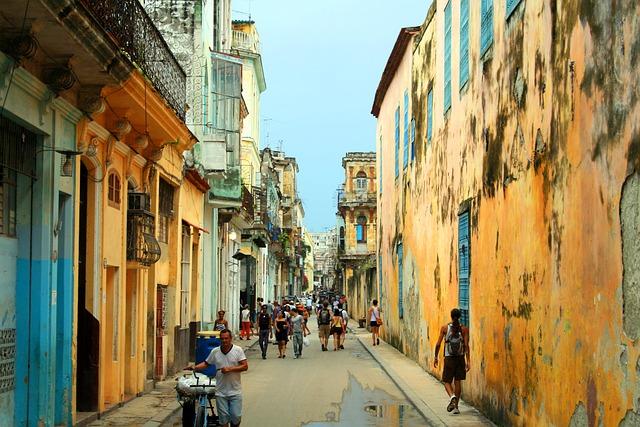
In a pivotal move underscoring ongoing tensions between U.S. foreign policy and the plight of the Cuban people, advocates gathered in Washington, D.C. this week for a Congressional hearing aimed at defending Cuba and calling for an end to the decades-long embargo. As lawmakers and activists convened, they spotlighted the humanitarian impacts of U.S. sanctions on the island nation, invoking stories of struggle and resilience from within Cuba. The hearing, organized by a coalition of grassroots organizations and supported by several Congressional representatives, aimed to shed light on the urgent need for dialogue and reform in U.S.-Cuba relations. With high-stakes discussions unfolding, advocates sought to articulate a vision of reconciliation, emphasizing the importance of fostering connections rather than perpetuating divisions.
Advocates Call for Reassessment of US-Cuba Relations During Congressional Hearing
During the recent Congressional hearing, advocates made a compelling case for a reassessment of the long-standing U.S. embargo against Cuba, arguing that it has not achieved its intended goals and has instead exacerbated economic hardships for the Cuban people. Participants highlighted personal testimonies showcasing the detrimental effects of these policies on healthcare, education, and overall quality of life in Cuba. Speakers stressed the importance of establishing dialogue between the two nations, emphasizing that lifting or easing restrictions could pave the way for mutual benefits, such as increased trade and cultural exchanges.
Key points raised during the hearing included:
- Humanitarian Concerns: Testimonies illustrated how the embargo has hindered access to essential medicines and medical equipment in Cuba.
- Diplomatic Relations: Advocates urged lawmakers to consider the positive impact improved relations could have on regional stability and security.
- Economic Opportunities: Participants discussed the potential for U.S. businesses to engage in new markets and create jobs through collaboration with Cuban entrepreneurs.
| Impact of U.S. Policies on Cuba | Testimony Highlight |
|---|---|
| Healthcare Access | “Patients are suffering due to lack of medicines.” |
| Food Security | “Limited imports have led to food shortages.” |
| Economic Growth | “Entrepreneurs face barriers to international trade.” |
Key Testimonies Emphasize Human Rights Progress and Economic Need in Cuba
During a recent Congressional hearing dedicated to the situation in Cuba, advocates passionately underscored the critical intersection of human rights and economic necessity. Testimonies from a diverse group of speakers illuminated the ongoing struggles faced by the Cuban people under systemic oppression, emphasizing that any path towards improving conditions hinges on both the recognition of fundamental freedoms and the alleviation of economic hardships. Many witnesses highlighted personal narratives that conveyed not only the daily injustices but the potential for progress if international support was bolstered.
Key testimonies revealed alarming statistics that underlined the urgent need for action:
- Over 1,000 instances of political repression recorded in the past year.
- Severe food shortages affecting over 70% of the population.
- Healthcare system deterioration reported with many lacking access to basic medicines.
Additionally, the hearing served as a platform for advocates to call for a reevaluation of U.S. policies towards Cuba, arguing that enhanced diplomatic relations could lead to substantial improvements in both human rights conditions and economic opportunities for Cubans. The testimonies painted a vivid picture of a nation at a crossroads, where hope for a brighter future is intertwined with the struggle for dignity and rights.
Recommendations for Policy Shifts to Foster Dialogue and Cooperation with Cuba
To enhance dialogue and cooperation with Cuba, advocates emphasize the need for a comprehensive reassessment of current policies that hinder constructive engagement. This can be achieved through the following key measures:
- Lift travel restrictions: Removing barriers for American citizens wishing to visit Cuba can promote people-to-people exchanges and foster mutual understanding.
- Expand diplomatic relations: Reestablishing a robust diplomatic presence in Havana would facilitate direct communication and cooperation on various issues, including healthcare, education, and environmental concerns.
- Promote trade and investment: Encouraging American businesses to invest in Cuba can lead to economic growth while respecting local autonomy, ultimately benefiting both nations.
- Support cultural exchanges: Initiatives that promote artistic and cultural interactions can bridge gaps and build goodwill between the two countries.
In addition to these strategies, a constructive approach should include multi-faceted engagement through international coalitions. Establishing collaborative efforts among various stakeholders can open avenues for dialogue on pressing regional issues. Key components of such cooperation could include:
| Aspect | Potential Benefit |
|---|---|
| Environmental Partnerships | Shared strategies for climate resilience and sustainable practices. |
| Healthcare Collaboration | Joint initiatives to combat diseases and enhance public health resources. |
| Educational Programs | Scholarship initiatives fostering academic exchanges and training opportunities. |
Key Takeaways
As the Congressional hearing on Cuba concludes, advocates for the island nation emphasize the need for a shift in U.S. policy and a greater understanding of the complexities surrounding Cuba’s social and economic landscape. The testimonies and discussions during this pivotal event highlight the pressing issues faced by the Cuban people, as well as the potential for renewed dialogue and cooperation between the two nations. With the echoes of these advocates still resonating in the halls of Congress, the future of U.S.-Cuba relations hangs in the balance, calling for continued engagement and a commitment to fostering mutual respect and understanding. As this conversation develops, it remains clear that the voices of those who stand for the rights and dignity of the Cuban people will continue to be crucial in shaping a more compassionate and just approach to U.S.-Cuba relations.

