

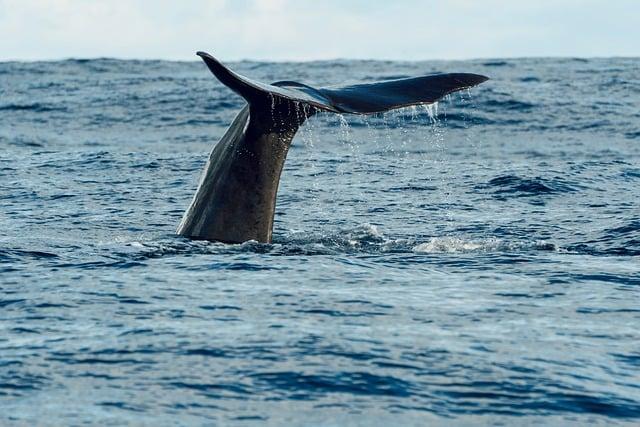
Dominica Moves to Establish World’s First Sperm Whale Reserve
In a groundbreaking initiative aimed at marine conservation, Dominica has announced plans to create the world’s first sperm whale reserve, a landmark decision set to bolster the protection of these majestic creatures and their habitats. The Caribbean island is home to one of the largest populations of sperm whales, which are known for their remarkable intelligence and social structures. This reserve not only represents a commitment to preserving biodiversity but also highlights the growing global awareness surrounding ocean conservation. As discussions around sustainable tourism and ecological protection intensify, Dominica’s forward-thinking approach may serve as a model for other nations grappling with similar environmental challenges.
Dominica’s Groundbreaking Initiative to Establish the First Sperm Whale Reserve
In an unprecedented move for marine conservation, Dominica is set to become the first country in the world to establish a dedicated reserve for sperm whales. This initiative is not only a significant step for protecting marine biodiversity but also highlights Dominica’s commitment to sustainable tourism and ecological preservation. The proposed reserve will encompass several key areas known for high sperm whale populations, ensuring these majestic creatures can thrive in a safe environment. Stakeholders from local communities, environmentalists, and government officials are collaborating to create comprehensive management strategies that prioritize both conservation and local livelihoods.
The establishment of the reserve comes amid growing concerns over maritime activities that threaten the natural habitat of marine species. The initiative aims to tackle various challenges, such as:
- Fishing Practices: Implementation of sustainable fishing regulations to mitigate adverse impacts on whale populations.
- Tourism Concerns: Balancing eco-tourism with environmental protection to ensure minimal disturbance to whales.
- Marine Pollution: Initiatives to reduce plastic and chemical waste in the ocean to create a cleaner habitat.
Additionally, the reserve will serve as a vital research hub, enabling scientists to study sperm whale behavior and conservation methods. Through international partnerships, Dominica aims to attract researchers and ecologists who can contribute invaluable insights into marine ecosystems. The collaborative effort not only emphasizes the importance of conservation for future generations but also showcases Dominica’s leadership in marine stewardship on a global scale.
Conservation Strategies and Scientific Research in the New Reserve
The establishment of the world’s first sperm whale reserve in Dominica is set to transform conservation efforts for these majestic creatures. This innovative initiative will incorporate a combination of scientific research, community engagement, and sustainable practices aimed at protecting the sperm whale population and their habitat. Researchers will conduct extensive studies to better understand the behavior, migration patterns, and breeding habits of these whales, which will inform effective management strategies. The project will also involve close collaboration with local communities to promote eco-friendly tourism and fishing practices that minimize human impact on whale populations.
Key conservation strategies include:
- Monitoring and Data Collection: Utilizing advanced technology like underwater drones and acoustic monitoring to gather real-time data on sperm whale activities.
- Community Education Programs: Developing educational materials to raise awareness about the ecological significance of sperm whales and the threats they face.
- Legislation and Policy Advocacy: Working with government bodies to enforce protective measures and regulations that safeguard the marine environment.
| Strategy | Description |
|---|---|
| Research Collaboration | Partnering with universities and marine biologists to conduct impactful research. |
| Community Involvement | Engaging locals in conservation efforts to foster ownership and support. |
| Tourism Management | Promoting responsible whale watching practices that benefit conservation. |
Impact on Local Communities and Ecotourism Opportunities
The establishment of the world’s first sperm whale reserve in Dominica promises to create a significant ripple effect on local communities, providing both environmental and economic advantages. By safeguarding the habitats of these majestic creatures, locals can expect a boost in biodiversity, enhancing the overall health of marine ecosystems. This initiative will likely foster a culture of conservation, inspiring residents to engage in sustainable practices that protect their natural heritage. Opportunities for local fishermen to adapt their methods to eco-friendly alternatives could also emerge, promoting a balance between economic needs and environmental stewardship.
In terms of ecotourism, the reserve is poised to attract travelers eager to witness sperm whales in their natural environment. This influx of visitors will lead to the development of various related services, including:
- Guided Tours: Local operators can offer unique whale-watching experiences.
- Education Centers: Establishing facilities that educate tourists about marine conservation.
- Local Cuisine: Restaurants can highlight dishes made from locally sourced ingredients, promoting the region’s culinary culture.
As the community embraces ecotourism, there may also be a shift in how citizens view their natural resources, with local stakeholders recognizing the potential for sustainable economic development. The creation of jobs related to tourism and conservation could provide much-needed support for families while fostering a sense of pride in their unique marine environment.
In Conclusion
In a groundbreaking initiative, Dominica is set to establish the world’s first sperm whale reserve, a move anticipated to significantly bolster conservation efforts for this iconic marine species. With a commitment to protecting the rich biodiversity of its waters and promoting sustainable ecotourism, this landmark reserve exemplifies the island nation’s dedication to safeguarding its natural heritage. As global awareness of climate change and marine conservation grows, Dominica’s pioneering efforts may serve as a model for other nations seeking to protect vulnerable species and their habitats. As the nation embarks on this ambitious project, the eyes of the world will undoubtedly be watching, eager to see how it unfolds and inspires similar ventures elsewhere.

