
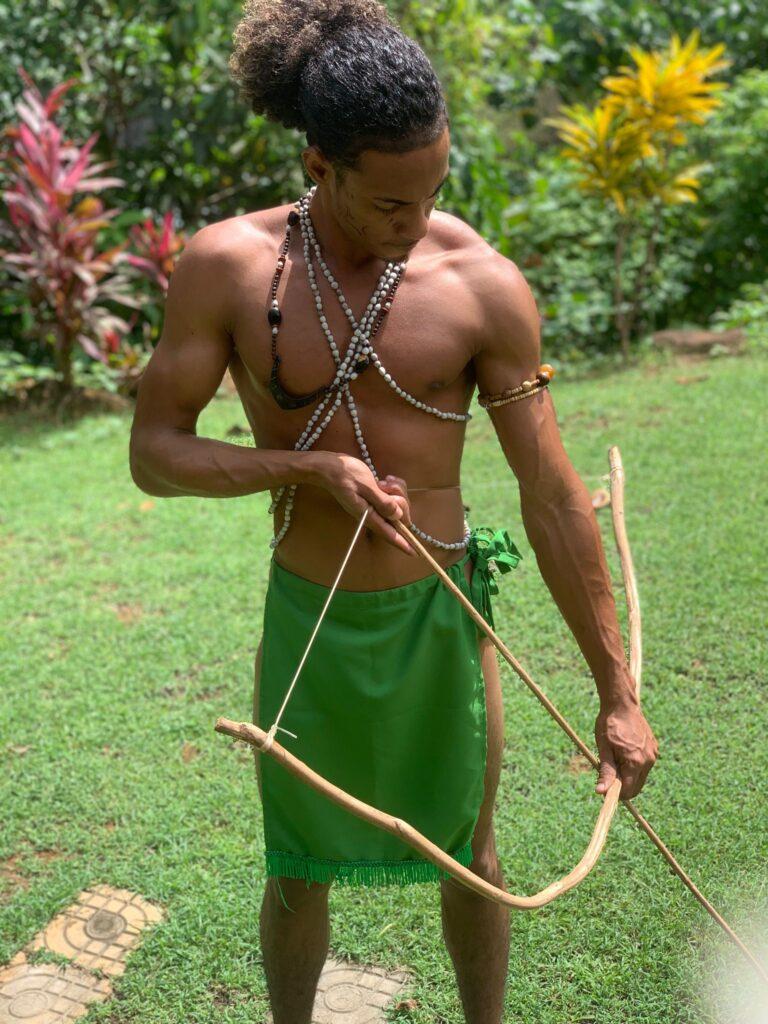
Title: Dominica’s Kalinago Fight to Preserve Their Identity
In the heart of the Caribbean, the Kalinago people of Dominica are embarking on a poignant journey to preserve their rich cultural heritage in the face of modern challenges. With a history that dates back centuries, these Indigenous inhabitants find themselves grappling with the impacts of globalization, economic pressures, and environmental changes that threaten their traditional way of life. As they navigate the complexities of identity in a rapidly evolving world, community leaders and members are uniting to revitalise their customs, language, and practices. This article explores the Kalinago’s steadfast resolve to maintain their distinct identity while fostering a sustainable future for generations to come, underscoring the importance of cultural preservation amidst the global tides of change.
Kalinago Community Strategies to Safeguard Cultural Heritage
The Kalinago community employs a multifaceted approach to safeguarding their cultural heritage, striving to maintain the essence of their identity in a rapidly changing world. Central to their strategy is the promotion and revitalization of traditional practices, including the use of indigenous languages, art forms, and oral histories. By organizing workshops and cultural events, the community aims to engage younger generations, ensuring that these invaluable traditions are passed down and remain vibrant. Key activities include:
- Language preservation initiatives
- Traditional craft workshops
- Cultural festivals showcasing Kalinago arts
- Storytelling sessions that honor oral traditions
Furthermore, the Kalinago people advocate for greater recognition and protection of their ancestral lands, which hold significant cultural value. Collaborating with local and international NGOs, they work towards establishing legal frameworks that safeguard not just physical territory but also the cultural practices tied to these lands. This strategy emphasizes the importance of land as a living repository of history, spirituality, and identity. A recent community-led initiative focuses on:
| Initiative | Goal |
|---|---|
| Cultural Resource Mapping | Identify and document sites of cultural significance |
| Environmental Stewardship | Preserve biodiversity and traditional agricultural practices |
Challenges Facing Dominica’s Indigenous Identity Preservation
The Kalinago people of Dominica face numerous obstacles in their quest to maintain their cultural identity amid a rapidly changing socio-economic landscape. One major challenge is the encroachment of modernity, which threatens to dilute traditional practices and beliefs. Factors contributing to this erosion include:
- Increased tourism that often prioritizes commercial interests over authentic cultural experiences.
- Migration of younger generations to urban areas in search of better opportunities, leading to a disconnect from their roots.
- Limited representation and participation in national governance or decision-making processes that affect their land and resources.
Additionally, the impact of climate change poses a significant risk to the Kalinago’s ancestral lands and natural resources, further complicating preservation efforts. Despite these challenges, the community is actively engaging in initiatives to promote and revitalize their heritage, including educational programs focused on traditional crafts and storytelling. To support their mission, there is a growing emphasis on:
- Building partnerships with local organizations to advocate for Indigenous rights.
- Encouraging sustainable practices that align with their cultural values.
- Fostering pride in Kalinago identity through cultural festivals and events.
Recommendations for Supporting Kalinago Rights and Sustainability
To effectively bolster the rights and sustainability of the Kalinago people in Dominica, it is crucial to implement a multi-faceted approach that encompasses cultural preservation, economic empowerment, and legal recognition. Key strategies include:
- Strengthening legal frameworks: Advocate for the formal recognition of Kalinago land rights and ensure that these rights are enshrined in national legislation.
- Cultural education initiatives: Develop programs in schools and communities that promote Kalinago history and traditions, fostering appreciation and respect for their unique heritage.
- Support sustainable tourism: Create opportunities for eco-tourism that highlight Kalinago culture while ensuring that profits benefit the community directly.
- Partnerships with NGOs: Collaborate with non-governmental organizations that focus on indigenous rights and environmental sustainability to amplify voices within the community.
Furthermore, enhancing economic self-sufficiency can be achieved by promoting local crafts and agriculture. Simple yet effective measures might include:
| Strategy | Description |
|---|---|
| Craft workshops | Organize events that teach traditional Kalinago crafting techniques, allowing for cultural engagement and revenue generation. |
| Developing local markets | Establish markets that prioritize Kalinago products, stimulating local economy and attracting visitors. |
| Training programs | Implement skill-building initiatives to empower youth in entrepreneurship and sustainable practices. |
In Conclusion
In conclusion, the Kalinago people’s determined efforts to preserve their identity and cultural heritage underscore the broader challenges faced by indigenous communities in a rapidly changing world. Their fight, marked by resilience and community solidarity, is not only vital for the survival of their traditions but also serves as a poignant reminder of the importance of cultural diversity in our global society. As the Kalinago navigate the complexities of modernization while striving to retain their unique heritage, their story offers valuable insights into the ongoing struggle for recognition and respect that many indigenous groups encounter. The world must pay attention to their journey, as it reflects a collective responsibility to champion the rights of all cultures and ensure their voices are heard and valued in the fabric of our shared humanity.











