

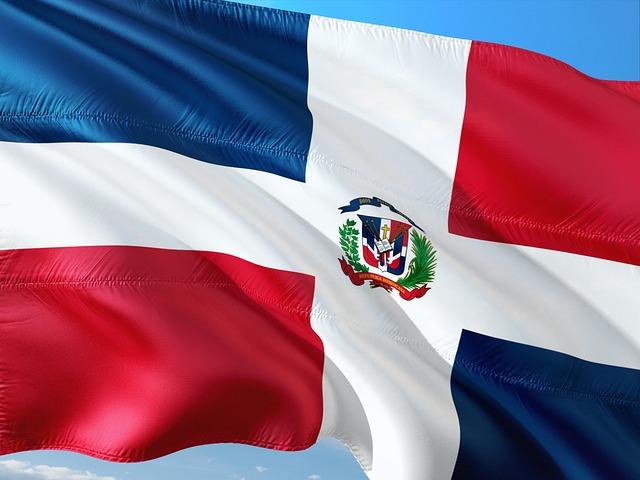
Introduction:
The Dominican Republic, an island nation nestled in the heart of the Caribbean, stands as a vibrant tapestry of culture, history, and natural beauty. Sharing the island of Hispaniola with Haiti, the Dominican Republic boasts a rich colonial past and diverse landscapes, from its sun-kissed beaches to the mountainous interior. This article presents a comprehensive profile of the Dominican Republic, examining its key demographic, economic, and cultural attributes, while also shedding light on the challenges and opportunities facing this dynamic nation. As the country continues to carve its identity on the global stage, understanding its complexities and nuances is essential for anyone interested in Caribbean affairs. Join us as we delve into the life and times of the Dominican Republic, exploring what makes this nation a unique and compelling destination.
Dominican Republic: An Overview of Culture, Economy, and Tourism Potential
The Dominican Republic, a vibrant Caribbean nation, is renowned for its rich culture that merges Taino, African, and Spanish influences. This diverse heritage is showcased through music genres such as merengue and bachata, which echo the rhythms of daily life. Festivities are painted with colors and joy during events like the Carnaval, where locals and tourists alike revel in parades featuring elaborate costumes, traditional dances, and live performances. The country’s culinary scene is equally impressive, offering a variety of dishes including mangu and sancocho, reflecting its agricultural bounty and historical roots.
Economically, the Dominican Republic stands out as the largest economy in the Caribbean and Central America, largely driven by sectors such as tourism, agriculture, and manufacturing. Notably, tourism plays a pivotal role, with millions visiting each year to experience the island’s stunning beaches, historical landmarks, and lush landscapes. The government has invested significantly in infrastructure to support this growth, including the development of luxury resorts and eco-tourism projects aimed at preserving the environment. The table below summarizes key statistics that underscore the country’s tourism potential:
| Statistic | Value |
|---|---|
| Annual Tourist Arrivals | 6.5 million |
| Major Tourist Destinations | Punta Cana, Santo Domingo, Samaná |
| GDP Contribution from Tourism | around 18% |
| Average Length of Stay | 7 days |
Exploring the Natural Wonders and Rich Heritage of the Dominican Republic
The Dominican Republic stands as a vibrant cradle of natural beauty and rich cultural heritage in the Caribbean. Visitors are often captivated by its stunning landscapes, featuring towering mountains, lush forests, and pristine beaches that stretch for miles. Among its most notable natural wonders is Pico Duarte, the highest mountain peak in the Caribbean, offering breathtaking views and exhilarating hiking opportunities. The country is also home to the Ámbar de la República Dominicana, a UNESCO World Heritage site, where fossilized amber produces extraordinary insights into the planet’s ancient ecosystems. Notable national parks like Los Haitises and Jaragua provide glimpses into the distinctive flora and fauna unique to the region, making ecotourism a thriving aspect of the Dominican experience.
In addition to its natural marvels, the Dominican Republic is steeped in history and culture, a blend of Taino, African, and Spanish influences that has shaped its unique identity. Colonial Zone in Santo Domingo, the nation’s capital, holds the distinction of being the oldest European settlement in the Americas, showcasing remarkable architecture from the 16th century that narrates the story of early colonial life. The country celebrates its heritage through vibrant festivals, such as Carnival, and traditional dances like merengue and bachata, which echo through the streets in colorful parades. Visitors can engage in this cultural tapestry by exploring local cuisines, artisan crafts, and music, which offer a taste of the thriving Dominican spirit.
| Natural Wonders | Cultural Heritage |
|---|---|
| Pico Duarte | Colonial Zone in Santo Domingo |
| Los Haitises National Park | Merengue and Bachata Music |
| Amber Museum | Carnival Celebrations |
Strategic Insights and Recommendations for Sustainable Development in the Dominican Republic
The Dominican Republic stands at a pivotal juncture where sustainable development can harmonize economic growth with environmental preservation. Stakeholders must prioritize renewable energy initiatives, capitalizing on the country’s abundant natural resources like solar and wind. By investing in eco-friendly tourism and enhancing sustainable agricultural practices, the nation can create a resilient economy that mitigates the impacts of climate change. Additionally, fostering public-private partnerships can accelerate the transition towards sustainability, ensuring that both local communities and businesses reap the benefits of a greener future.
To further these objectives, the government should implement policies that support education and training in sustainable practices, promoting awareness among the youth and local populations. Considerations for an effective approach include:
- Strengthening environmental regulations to protect biodiversity
- Encouraging sustainable land use planning
- Supporting local initiatives that focus on waste management and recycling
Moreover, expanding access to green technology and providing incentives for businesses that adopt sustainable practices will play a crucial role in fostering long-term economic stability while safeguarding the environment. The emphasis on community engagement will ensure that development strategies are inclusive and reflect the interests of the Dominican Republic’s diverse population.
To Conclude
In conclusion, the Dominican Republic stands as a vibrant testament to the fusion of rich history, dynamic culture, and economic potential in the Caribbean. With its stunning landscapes and warm hospitality, the nation not only attracts millions of tourists each year but also plays a pivotal role in the regional economy. However, challenges such as social inequality and environmental concerns remain pressing issues that will require vigilant attention. As the Dominican Republic continues to navigate its path of development, a commitment to sustainable growth and inclusivity will be essential in shaping a prosperous future for all its citizens. As highlighted in this profile, the journey of the Dominican Republic is one of resilience and promise, reflecting the spirit of a nation poised for greater achievements on the global stage.

