

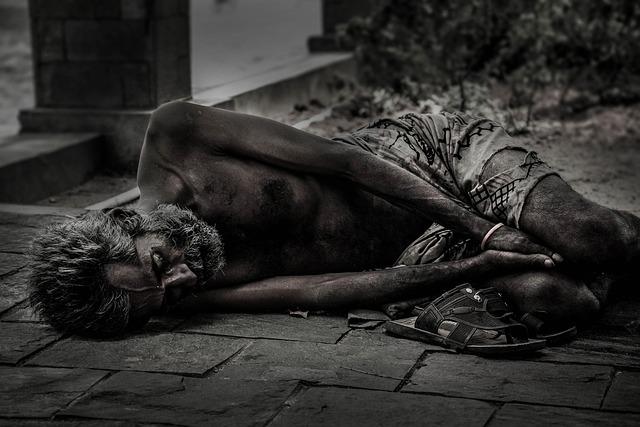
Breaking the Cycle of Inherited Poverty in Central America and the Dominican Republic: A World Bank Initiative
In the lush landscapes and vibrant communities of Central America and the Dominican Republic, millions of families grapple with the persistent grip of poverty, often passed down through generations. Despite the region’s rich cultural heritage and resources, the cycle of inherited poverty continues to hinder economic growth and social mobility. In a bold move to address this pressing issue, the World Bank Group has launched a comprehensive initiative aimed at dismantling the systemic barriers that perpetuate poverty. This program focuses on targeted interventions in education, health, and employment, empowering individuals and communities to break free from the chains of disadvantage. As leaders and stakeholders convene to discuss the roadmap ahead, the urgency of creating sustainable solutions has never been more apparent. With the eyes of the world on Central America and the Dominican Republic, the question remains: can innovative strategies from the World Bank truly transform the lives of millions, and reshape the future of an entire region?
Transforming Education as a Catalyst for Change in Central America
The education landscape in Central America and the Dominican Republic is undergoing a seismic shift, aimed at dismantling the long-standing chains of inherited poverty. With a concerted effort from governments, NGOs, and international organizations like the World Bank Group, notable advancements are being made. Policymakers are prioritizing access to quality education, fostering an environment where every child has the right to learn and thrive. Key initiatives include:
- Increased Investment: Allocating more resources to public education systems.
- Teacher Training Programs: Enhancing professional development for educators to improve teaching standards.
- Technology Integration: Incorporating digital tools into classrooms to widen learning horizons.
These efforts are not just about expanding educational infrastructure; they are fundamentally redefining the socio-economic fabric of the region. Importantly, educational reforms are also aimed at fostering critical thinking and creativity among students, equipping them with skills necessary for the modern workforce. Furthermore, community engagement is emphasized, bringing parents and community leaders into the fold to support educational initiatives. This collaborative approach is vital for sustainable change and ensures that educational gains translate into long-term economic benefits.
| Key Initiative | Description |
|---|---|
| Free Breakfast Programs | Providing nutritious meals to improve student concentration and attendance. |
| Scholarships for Vulnerable Communities | Offering financial support to encourage high school and university education among low-income families. |
Empowering Women: Key Strategies for Economic Independence
Achieving economic independence for women in Central America and the Dominican Republic is essential to breaking the cycle of poverty. Various strategies have emerged as crucial in this endeavor. First, financial literacy programs empower women by equipping them with essential skills to manage their finances effectively. These programs often include workshops on budgeting, savings, and investment, enabling women to make informed economic decisions. Furthermore, access to microloans supports female entrepreneurs in starting and scaling their businesses, creating job opportunities and stimulating local economies. By fostering a culture of entrepreneurship, communities can uplift themselves collectively.
Another vital component is enhancing women’s access to education and vocational training. When women have opportunities to develop skills that are in demand, they can compete more effectively in the labor market. Initiatives focused on STEM education for girls can significantly improve their future earning potential. Additionally, policies promoting equal pay and workplace protections are fundamental in ensuring that women receive the same economic opportunities as men. When combined, these strategies create a robust framework for change, providing women with the tools they need to achieve lasting economic independence.
Investing in Sustainable Infrastructure to Uplift Communities
In the quest to eradicate poverty in Central America and the Dominican Republic, investing in sustainable infrastructure stands as a critical strategy. Infrastructure development not only enhances the physical landscape but also empowers communities by providing essential services and creating job opportunities. Key areas of focus include:
- Renewable Energy: Harnessing solar and wind power to provide clean electricity.
- Transportation Networks: Building roads and public transport systems to improve accessibility.
- Water and Sanitation: Expanding access to clean water and proper sanitation facilities.
- Digital Connectivity: Ensuring internet access in underprivileged areas to foster education and e-commerce.
Through these initiatives, communities can experience significant socio-economic transformation. Recent projects funded by the World Bank Group have demonstrated measurable impacts, such as:
| Project Type | Beneficiaries | Investment (in USD) |
|---|---|---|
| Solar Energy Farm | 5,000 families | $3 million |
| Road Improvement | 10,000 commuters | $2 million |
| Water Access Initiative | 7,500 residents | $1.5 million |
| Internet Expansion Project | 3,000 users | $500,000 |
These investments not only address immediate needs but also lay the groundwork for long-term sustainability and economic resilience. By engaging local communities in the planning and implementation processes, it is possible to create a sense of ownership that further drives development and innovation, ultimately leading to the upliftment of entire regions.
The Way Forward
In summary, the World Bank Group’s efforts to address inherited poverty in Central America and the Dominican Republic represent a decisive step towards breaking cycles that have persisted for generations. By focusing on education, economic opportunity, and social protection, these initiatives aim not only to lift communities out of poverty but also to empower individuals with the tools for sustainable advancement. As these programs unfold, the world will be watching closely, hopeful that their success can serve as a model for combating poverty in other regions. The journey is complex and fraught with challenges, but the commitment to change is stronger than ever. Continued investment in these communities could prove instrumental in reshaping their futures, ensuring that the promise of prosperity is not just a distant dream but a tangible reality for all.

